
When standing up, squatting, stretching your legs, or walking up and down stairs, have you ever noticed a cracking sound around a joint or a popping/crackling bone sound? Many people tend to ignore it because they think it is normal when the body moves quickly. In reality, joint cracking sounds may be either a natural bodily response or a warning sign of cartilage degeneration. Understanding the causes and knowing how to properly observe abnormalities will help you keep your joints strong and seek timely medical diagnosis before severe joint damage occurs.
Popping/crackling bone sound—what is it?
A popping/crackling bone sound refers to a condition in which a sound occurs around a joint while the body is moving, such as the knee, hip, wrist, shoulder, or spinal joints. These sounds are caused by changes in pressure within synovial fluid, the shifting of tendons around the joint, or friction between cartilage surfaces that have begun to become rough. It can occur in people of all sexes and ages, from teenagers who play sports, to those who sit for long hours at work, to older adults.
What causes a popping/crackling bone sound?

Joint cracking can result from several anatomical and behavioral factors and can be classified into 5 causes as follows:
1. Gas bubbles in synovial fluid collapse
Inside our joints is synovial fluid, which reduces friction and nourishes cartilage cells. When we move or suddenly stretch a joint, pressure within the joint space changes rapidly, causing gas dissolved in the synovial fluid to form small bubbles. When those bubbles suddenly collapse or burst, a “pop” or “crack” sound occurs, usually without pain.
2. Friction of tendons and muscles around the joint
When we bend or straighten a joint, the tendons and muscles that anchor the bones glide over bony prominences. If the muscles in that area are very tight, you sit in the same position for a long time, or the joint angle is incorrect, a tendon may quickly snap over a bony prominence, causing a popping/crackling bone sound or clicking. When you stretch and relax the muscles, the sound often decreases.
3. Cartilage surface degeneration and osteoarthritis
Normally, the cartilage covering the ends of bones is smooth and flexible to prevent bones from rubbing together. However, if cartilage begins to wear down due to aging, heavy weight-bearing, or rheumatoid disease, the joint surface becomes rough. This leads to direct friction between bone surfaces, causing chronic grating sounds and often progressing to osteoarthritis.
4. Tears of bone or tissue within the joint
For those who have had an injury from sports or daily activities—for example, a rapid twisting of the knee—the meniscus or cruciate ligaments may tear. Torn tissue fragments or cartilage/bone pieces may become trapped between joint surfaces, resulting in a popping/crackling bone sound along with joint catching/locking and an inability to fully straighten or extend the leg.
5. Daily habits and improper movement
Lifting heavy objects with improper posture, standing up quickly from a squat, sitting cross-legged or kneeling with the legs folded to one side for long periods, as well as being overweight, all greatly increase cumulative pressure on the knees and hips. This can cause chronic friction within the joint structures, leading to more frequent sounds.
Which popping/crackling bone sounds are normal, and which require seeing a doctor promptly?

Observing accompanying symptoms is important to distinguish whether the cracking sound is simply a normal body mechanism or a warning sign of a joint disorder.
Symptoms considered normal
- A popping/crackling bone sound occurs occasionally while moving, such as stretching after sitting for a long time or twisting the body, with no pain, soreness, stiffness, swelling, and you can extend the joint normally. In this case, it is often due to gas bubbles collapsing or tight tendons and is not dangerous.
Symptoms that should be checked by a doctor
- A cracking sound along with a sharp pain or painful swelling around the joint immediately.
- The joint is swollen, warm, red, or feels stuck/catches, with inability to fully bend or straighten.
- Noticeable joint deformity begins, such as the knee bowing outward.
- Hearing a popping/crackling bone sound with sudden pain after an accident, slip and fall, or severe impact, which may be a dangerous sign of a bone crack or fracture around the joint that requires emergency treatment.
Diagnostic steps to identify the cause of joint cracking sounds
If you have popping/crackling bone sounds together with pain, the doctor will perform a systematic evaluation to identify the cause using the following methods:
- Medical history and physical examination: The doctor will ask about the nature of the sound, the positions that trigger it, lifestyle behaviors, and injury history, check for swelling and joint inflammation/heat, and test movement, joint twisting/bending, and tenderness at various points.
- X-ray imaging: To assess the spacing between joints, evaluate bone alignment, bone surface condition, and check for bone spurs or signs of an associated fracture.
- MRI Scan: If a soft-tissue abnormality is suspected, an MRI will be ordered to closely examine details of the cartilage, meniscus, and ligaments within the joint.
Treatment for popping/crackling bone sounds or knee noises
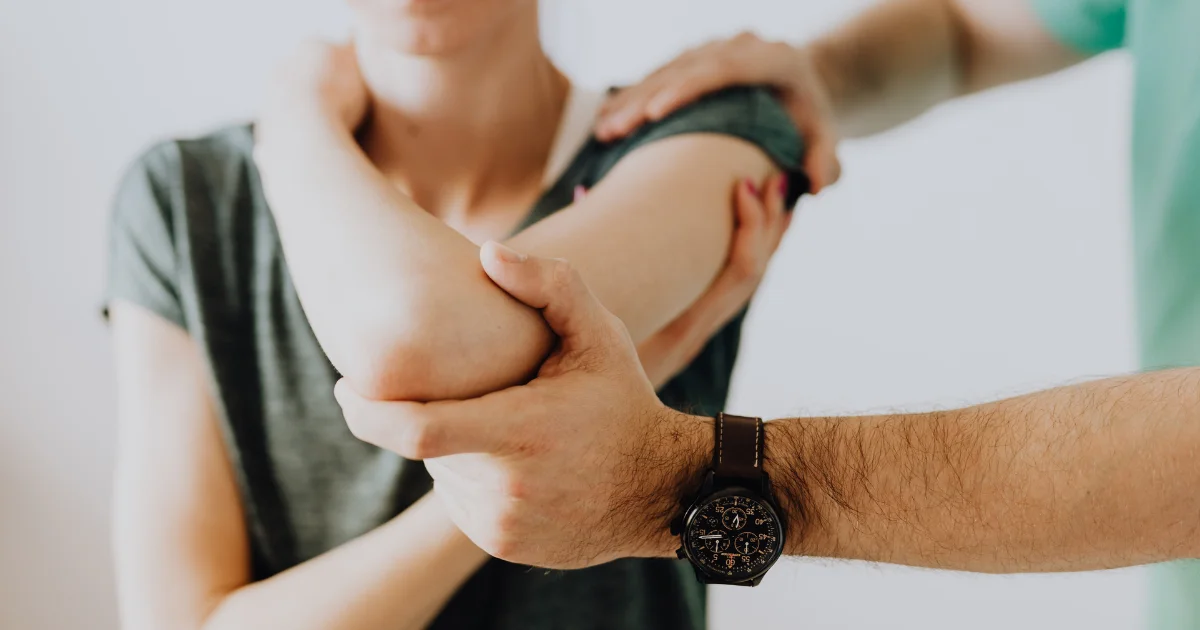
Treatment depends mainly on the cause and severity of the condition found, and is divided into two main options:
- Non-Surgical Treatment
- Medications: Non-steroidal anti-inflammatory drugs (NSAIDs) are used when inflammation is found to relieve pain and reduce inflammation. Joint supplements may be used in cases where osteoarthritis is found, as prescribed by the doctor.
- Physical therapy: Stretching in cases of significant muscle tightness to reduce tension and lessen friction over bony prominences; strengthening muscles around the joint (e.g., the quadriceps) to help bear weight instead of the joint, together with physical modalities for pain relief.
- Injection of joint lubricant (Hyaluronic Acid) or PRP: In cases where osteoarthritis is found, this can help increase flexibility, reduce cartilage surface friction, and relieve pain.
- Surgical Treatment
In cases of severe cartilage degeneration, meniscal tears, or hidden loose fragments of broken bone within the joint, the doctor may consider minimally invasive arthroscopic surgery (Minimally Invasive Surgery – MIS) to repair, remove bone fragments, or perform knee/hip joint replacement to restore a better quality of life.
How to care for your joints and adjust habits to reduce the risk of popping/crackling bone sounds
Preventing problems and keeping joints strong early on can be done by adjusting daily lifestyle habits as follows:
- Maintain a healthy body weight: Each 1-kilogram reduction in body weight can reduce pressure on the knee while walking by as much as 3–4 kilograms.
- Choose appropriate exercise: Focus on low-impact activities such as swimming, walking in water, cycling, or yoga to strengthen the muscles around the joints without damaging cartilage surfaces.
- Avoid joint-compressing sitting postures: Reduce prolonged squatting, sitting cross-legged, or kneeling with the legs folded to one side, and change posture every 45–60 minutes.
Hip and Knee Center, Bangkok Hospital International
The Hip and Knee Center at Bangkok Hospital International is ready to provide comprehensive bone and joint care—from risk assessment and in-depth diagnosis to minimally invasive surgical treatment and post-treatment rehabilitation physical therapy—so patients can regain a good quality of life.
Article summary
A popping/crackling bone sound can occur due to many factors. If the sound is caused by gas bubbles or temporary tendon movement without pain, it is usually not a concern. However, if the sound is often accompanied by pain, swelling, joint catching, or occurs after an accident with risk of a fracture, it should not be overlooked or left untreated. You should promptly undergo a medical evaluation to receive targeted treatment and return to a good quality of life.
Frequently Asked Questions (FAQ) about popping/crackling bone sounds
1. Can popping/crackling bone sounds go away on their own?
If the sound is caused by gas bubbles in synovial fluid or temporary tendon tightness, it can go away on its own when the muscles relax or you change posture. However, if it is caused by cartilage degeneration, it usually will not completely resolve on its own and requires care and treatment.
2. Are popping/crackling bone sounds in teenagers considered normal?
They can be normal in teenagers and young adults because joints and tendons are still highly flexible, or due to activities involving fast movements. If there is no pain, swelling, or inability to move the joint, it is not dangerous.
3. Are popping/crackling bone sounds a sign of osteoarthritis?
They may be an early warning sign of osteoarthritis if the sound occurs frequently along with catching sensations, aching/tight pain, or difficulty walking. You should observe accompanying symptoms and see a doctor for an X-ray to assess the joint surface.
4. If popping/crackling bone sounds occur during exercise, should I stop immediately?
If during exercise there is only a popping/crackling bone sound without any pain or soreness, you may continue exercising. However, you should adjust your posture correctly, avoid high-impact movements, and always warm up and stretch beforehand. But if the popping/crackling sound occurs together with soreness or pain, it is recommended to stop immediately and see a doctor.