


Burns Wound Care
Burns are characterized by tissue skin damages that mainly result from dry heat e.g. flames and heated clothing iron or moist heat e.g. boiled water and hot coffee.

Anaphylaxis: A life-threatening allergic reaction that needs to be treated right away.
An allergy is one of the most common chronic diseases that can be found in people of all age groups. An allergy is an immune system response to a certain foreign substances that are not typically harmful to the body.
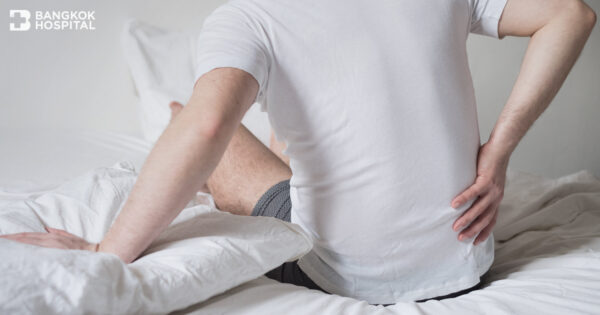
Chronic Back Pain Might Suggest Ankylosing Spondylitis
Back pain with different severity degrees can be caused by a wide range of medical conditions. Acute back pain can be treated effectively if accurate diagnosis can be timely made. However, if back pain progresses to chronic and severe pain without adequate response to given treatments, it might strongly indicate arthritic disease, called ankylosing spondylitis. Ankylosing spondylitis is defined as an inflammatory disease that, over time, can cause some of the small bones in the spine (vertebrae) to fuse. This fusing makes the spine less flexible, resulting in stiffness and chronic back pain that can largely interfere with quality of life. If warning signs and symptoms of ankylosing spondylitis arise, medical attention and treatment must be sought immediately.
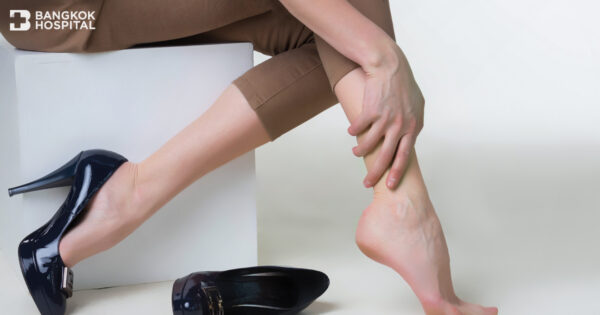
Early Detection of Peripheral Arterial Disease Reduces Risk of Limb Amputation
Peripheral Arterial Disease (PAD) is a common circulatory problem in which narrowed arteries reduce blood flow to the limbs e.g. the legs and arms. The severity of PAD varies, depending on the occlusive degrees, from mild discomfort to debilitating leg pain. If left untreated, this vascular disease might become chronic problem and act as a silent killer that can result in life-threatening conditions. If warning signs and symptoms of PAD exhibit, they must not be overlooked. Immediate medical attention for early detection of PAD should be sought in order to get accurate diagnosis and appropriate treatment before it progresses as well as reduce disease severity and chances of critical limb ischemia and limb amputation.

Early Detection of Peripheral Arterial Disease (PAD)
Blood vessel occlusion or blockage can potentially lead to serious health problems, such as cardiovascular disease, neurovascular disease, hypertension and peripheral arterial disease (PAD). These vascular problems often result in life-threatening conditions, especially if early detection cannot be applied in time. Pulse volume recoding (PVR), an advanced non-invasive peripheral vascular diagnostic system helps to detect blood vessel blockage or plaque buildup that puts a person at risk of developing peripheral arterial diseases, allowing effective and timely treatments before conditions progress.

Translated by AI
Foods to Help Relieve Arthritis
Arthritis is a common disease. The suitable diet for people with this condition is recommended to include...

Treatment of gallstones and bile duct stones by ERCP (Endoscopic Retrograde Cholangiopancreatography) and MIS (Minimally Invasive Surgery)
Due to the advancements in an imaging technology, diagnosis of bile duct and pancreatic duct abnormalities by using endoscopic examination –ERCP (Endoscopic Retrograde Cholangiopancreatography) can be concurrently conducted with laparoscopic surgery to treat gallstones and bile duct stones. These combined procedures provide significant benefits, including reduced anesthetic-related risks, faster recovery time, shorter hospital stay, a quick return to daily life while helping to reduce medical expense.
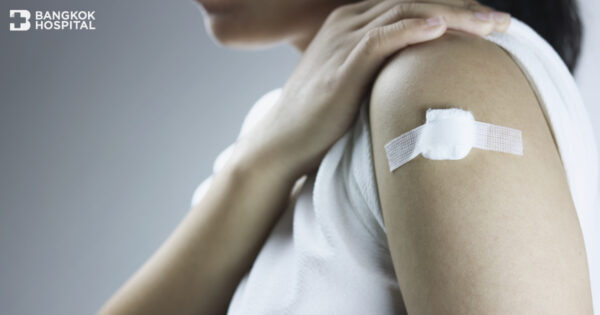
Protect Yourself – Get vaccinated against hepatitis A and hepatitis B
Hepatitis is highly prevalent worldwide. The disease is widely defined as an inflammation of the liver that can cause a range of health problems.
Translated by AI
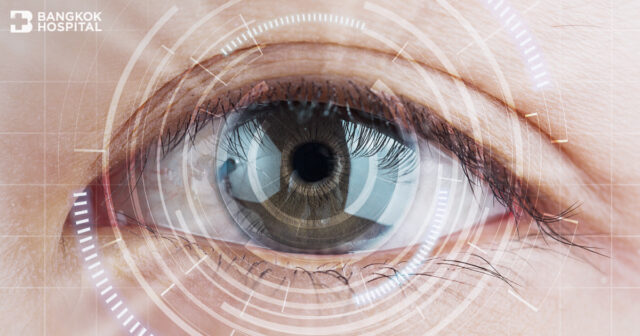
Cataract removal with intraocular lens (IOL) implantation meets lifestyle needs
When over 50 years of age, the eye’s lens deteriorates, causing changes such as blurred vision, cloudy vision as if there is a film or fog obstructing it, and distorted perception of different colors. Checking for abnormalities of the eyes is important.
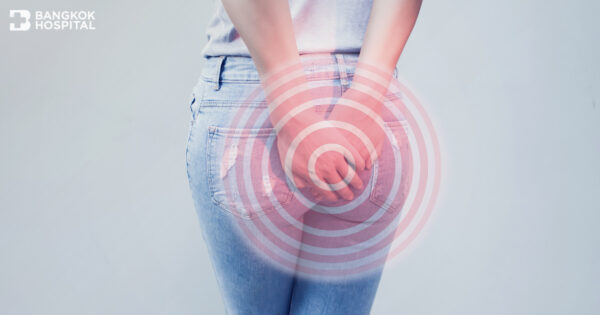
Laser hemorrhoidoplasty: A minimally invasive approach for the hemorrhoids
Hemorrhoids are enlarged, bulging veins in and around the anus and the lower rectum. The veins around the anus tend to stretch under an increased pressure.
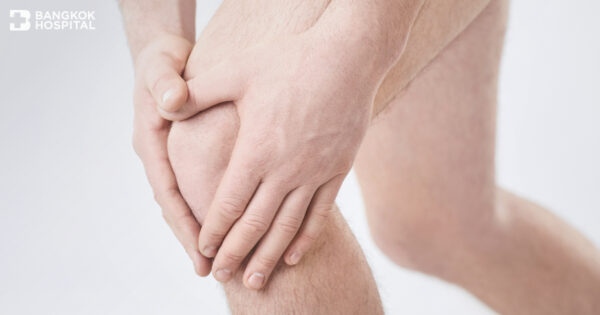
Arthroscopic meniscus repair for knee injury treatment
If you have torn your meniscus which is a piece of cartilage that is located in the knee joint, you might experience these following signs and symptoms in your knee: knee pain, swelling or stiffness with a popping sensation, especially when twisting or rotating the knee and difficulty straightening knee fully as well as feeling as though the knee is locked in place when trying to move it.

Excess sun exposure can put you at greater risks for eye problems
During exposing to the sun, we often protect our skin by applying sunblock, but we might forget that the eyes need sun protection as well. Despite the fact that eyes only account for 2% of total body surface area, UV radiation from natural sunlight can drastically damage the eye's surface tissues as well as main components e.g. the cornea and lens.