


Translated by AI
Before losing weight, do you already know what obesity is?
Weight loss means you have to eliminate excess fat. Moreover, excess fat is a severe menace, clinging to the skin layers and accumulating within various organs such as the liver, pancreas, intestines, and heart.

Translated by AI
Insulin Pump: A Helper for Controlling Blood Sugar in Diabetes Patients
Insulin Pump: A Helper for Blood Sugar Control for Diabetes Patients
Translated by AI
Misconceptions about Diabetes
Misconceptions About Diabetes

Translated by AI
Summer Diabetes
When summer arrives with its sweltering temperatures soaring through the roof, it results in especially increased fatigue for individuals with chronic diseases such as diabetes, due to the hot weather and conditions. This makes it crucial for them to receive more attentive care than usual, as poor management can lead to illness and, in severe cases, death.

Translated by AI
Summer Food for Diabetics
When summer comes, cold and sweet treats to quench thirst and relieve heat become quite popular. However, if consumed excessively, they can lead to an increase in blood sugar levels and weight gain, as they contain high amounts of sugar, fat, and calories. This is particularly important for diabetics, who must be extra cautious and take good care of themselves.

Translated by AI
Frequently Asked Questions from Insulin Pump Users
Frequently Asked Questions from Insulin Pump Users

Translated by AI
Benefits of Using an Insulin Pump
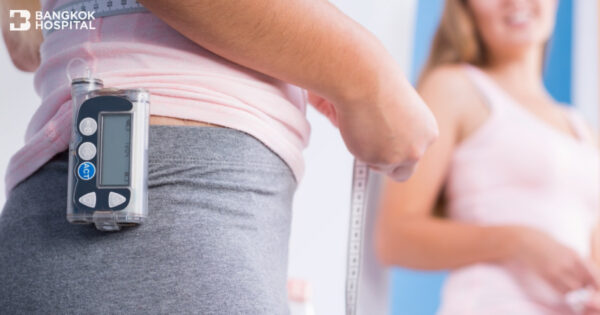
Insulin pumps mimic the release of insulin hormone from the pancreas, making insulin levels in the body relatively stable, and upon eating, can immediately increase insulin medication without the need for repeated injections.

Translated by AI
People who are suitable for using an insulin pump
Even though the Insulin Pump is a good tool for helping diabetic patients, it is not suitable for everyone. Let’s see who is the right candidate for using the "Insulin Pump".

Why measure blood sugar levels?
Translated by AI
Advantages of Insulin Pumps Compared to Injections
Advantages of Insulin Pumps Compared to Injections

Translated by AI
Diabetes Patients and Influenza Vaccination
One of the diseases that often comes with winter is influenza, which is a respiratory infection caused by the influenza virus. It can be transmitted through coughing, sneezing, and close contact. Therefore, people with diabetes should get an annual flu vaccine to reduce severe complications from influenza.

Translated by AI
Women Stay Ahead of Diabetes by Being Informed
Due to the changing lifestyle combined with a selection of sweet tasting menus that are easily available, including bingsu, ice cream, sweet drinks, cake, and much more, are all parts that contribute to the body receiving sugar in quantities exceeding daily needs, leading to the risk of developing diabetes, especially in women.