

Translated by AI
COVID-19ワクチン接種前に知っておきたい5つのポイント
COVID-19ワクチンを接種する前に知っておくべき5つのこと
Translated by AI
COVID-19 ワクチン接種後の副反応を確認する
COVID-19ワクチン接種後に現れる副反応の症状と対処法を解説。発熱や頭痛など自分で管理できる軽度の副作用から、直ちに医師の診察が必要となる高熱や呼吸困難といった重度の副作用まで、それぞれの特徴と適切な対応方法をわかりやすく紹介します。

Translated by AI
前後で準備する - COVID-19ワクチン接種前後
COVID-19ワクチン接種は、感染を完全に防ぐことはできませんが、重症化を効果的に防ぐことができます。したがって、どなたもワクチン接種を受けるべきです。接種前後に情報を調べ、準備をしておくことで、不安を和らげ、正しい行動をとることができます。
Translated by AI
COVID-19ワクチンを接種する前に明確に把握しておくこと
COVID-19ワクチンの接種前に知っておくべき重要情報を解説。ワクチンの仕組みや種類、優先される接種対象者、接種後の主な副反応や注意すべき禁忌事項まで、安全にワクチンを接種するために必要な基礎知識を分かりやすく紹介します。
Translated by AI
COVID-19ワクチン接種後に知っておくべき症状
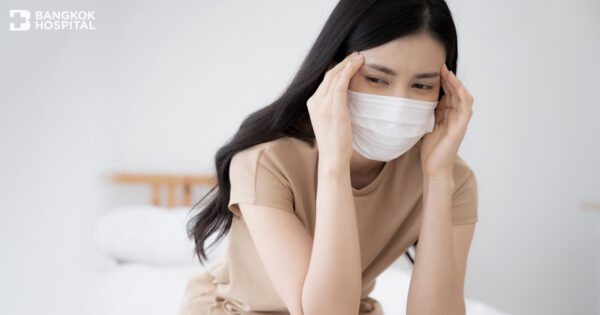
ご存じの通り、COVID-19は予防できませんが、COVID-19ワクチンの接種は病気の重症化を減らすことができます。そのため、COVID-19ワクチンを接種する時が来たら、起こりうる副作用と重篤な症状の定義、そしてワクチン接種後の適切な自己管理について知っておくべきです。
Translated by AI
Allergies VS Cold VS Flu VS COVID-19: Don't Panic, Let's DifferentiateMany people often confuse the symptoms of allergies, the common cold, flu (influenza), and COVID-19 because they share similar symptoms. However, there are distinct differences among them that are important to understand, to ensure proper treatment and to prevent unnecessary panic.AllergiesAllergies are an immune response to a foreign substance that is not typically harmful to the body. Common symptoms include sneezing, itching, nasal congestion, and watery eyes. Allergies are not caused by a virus and thus, are not contagious. Symptoms can last for as long as you are exposed to the allergen.Common ColdThe common cold is a viral infection of your nose and throat (upper respiratory tract). It's usually harmless, although it might not feel that way. Symptoms might include runny or stuffy nose, sore throat, cough, mild headache, and sneezing. Most people recover within 7 to 10 days.Flu (Influenza)The flu is a more serious respiratory illness caused by influenza viruses. Symptoms can include fever, cough, sore throat, runny or stuffy nose, muscle or body aches, headaches, and fatigue. The flu can have complications, such as pneumonia. Vaccination is recommended annually.COVID-19COVID-19 is caused by the novel coronavirus SARS-CoV-2 and can lead to respiratory illness with symptoms such as fever, cough, and difficulty breathing. In severe cases, it can cause pneumonia, organ failure, and death. Preventative measures include vaccination, wearing masks, and social distancing.Understanding these differences can help in determining the appropriate course of action if you or someone you know is showing symptoms. Consult a healthcare provider for accurate diagnosis and treatment.
Translated by AI
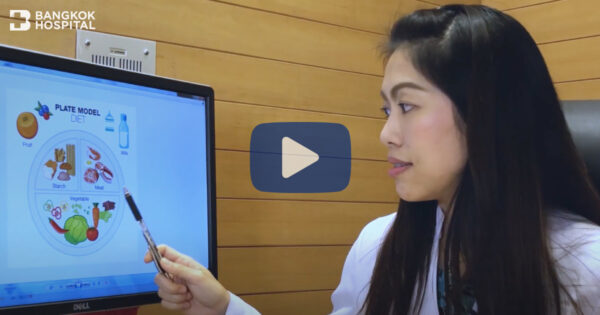
どうやって食べれば体を引き締めることができるのか? By Bangkok Hospital
Translated by AI
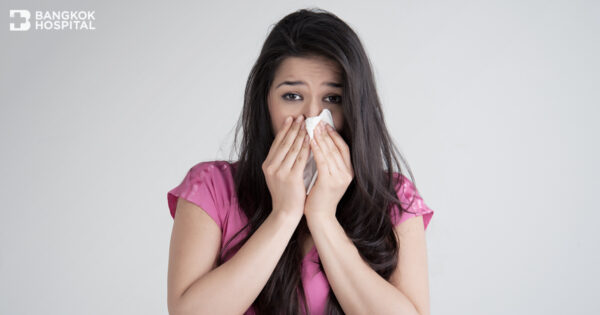
風邪 全年を通じて全ての年齢の人々にとってのトップ病気
風邪は一年中発生し、あらゆる年代の人々に見られる病気です。風邪にかかると、人によって症状が異なり、いくつかの症状だけが見られることもありますが、風邪の原因はすべて同じです。上気道感染です。
Translated by AI
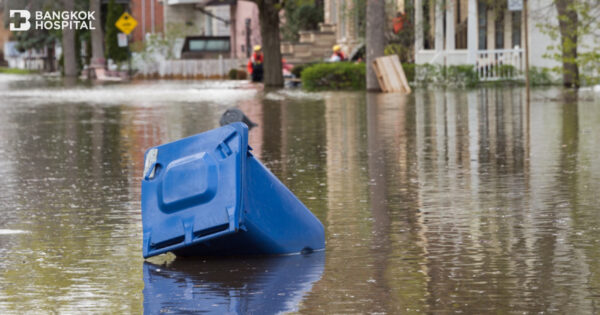
感染症と洪水による危険
雨が降るたびにいつも洪水になります。洪水に頻繁に直面しなければならない人は、多くの重大な病気のリスクにさらされていることを知っておいてください。

Translated by AI
NCDは自分で作る慢性非伝染性疾患のグループです。
生活習慣の乱れが主な原因となる慢性非伝染性疾患(NCDs)について詳しく解説します。糖尿病、高血圧、脂質異常症、心臓病など、日々の食事や運動不足などの習慣が引き起こす病気の特徴やリスクを理解し、健康的な生活習慣を身につけることで予防や早期改善に繋げるための情報をお届けします。

Translated by AI
ロタウイルス(ROTAVIRUS)に関する質問と回答
ロタウイルス(ROTAVIRUS)は、子供と大人の両方で急激な下痢を引き起こし、非常に容易に感染します。以下の質問と回答は、ロタウイルスを理解するのに役立ちます。