Table of Contents
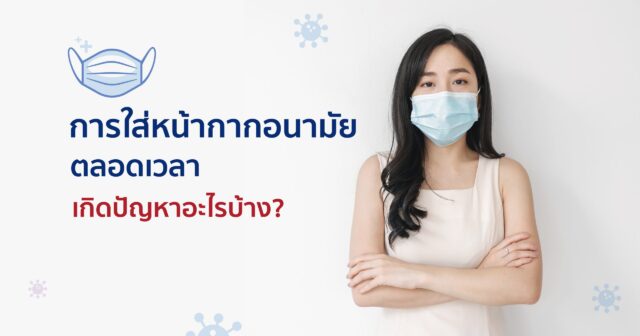
- What problems can occur from wearing a face mask all the time?
- Which components of face masks can cause allergic reactions?
- Easy self-care tips: How to wear a face mask without damaging the skin or causing acne
Moisture Buildup
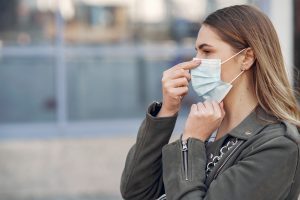
Moisture caused by sweat and droplets from coughing or sneezing can accumulate inside the face mask. This humid environment allows bacteria and fungi to grow more than usual, leading to infections, inflammation, and potential damage to the facial skin.
Friction and Skin Irritation
If a face mask does not fit properly and is too large, frequent facial movements can cause the mask to rub against the skin, resulting in irritation and inflammation.
Pressure Marks on the Face
When a face mask is too small, the edges and ear loops may be too tight. Wearing such a mask for prolonged periods can cause pressure marks and may contribute to the development of facial wrinkles.
Allergic Skin Reactions
Moisture from sweat combined with friction from wearing a face mask can lead to red rashes and itching, especially in individuals with sensitive skin, indicating an allergic or irritant skin reaction.
Components of Face Masks That May Cause Allergic Reactions
Nonwoven Fabric
This material commonly causes rashes around the bridge of the nose and cheeks, corresponding to the area covered by the mask. The rash is usually localized to areas in direct contact with the mask, such as the nose bridge and cheekbones. Most rashes appear as red patches, but in some cases, they may be raised like hives.
It is suspected that the reaction may be caused by formaldehyde resins, which are used to provide water resistance, wrinkle resistance, and structural strength. However, manufacturers have been working to reduce the use of this substance in production.
Ear Loops
Ear loops are usually made of elastic materials. Skin reactions resemble fabric allergies but occur around the ears, where the loops come into contact with the skin, rather than on the nose. This is often due to elastic (rubber) allergy.
If you are allergic to face masks, wearing a cloth mask underneath and placing a surgical mask over it to avoid direct skin contact may help reduce skin irritation.
Easy Tips You Can Do Yourself:
How to Wear a Face Mask Without Damaging Your Skin or Causing Acne
Wearing a face mask can trigger acne and clogged pores. Most mask-related acne consists of comedonal acne and acne mechanica (small bumps), occurring in both individuals who wear makeup and those who do not.
For those who wear makeup, cosmetics combined with sweat trapped under the mask can further increase the risk of pore blockage and acne formation.
Importance of Accurate Diagnosis
Proper differential diagnosis is important because several common facial skin conditions may appear in similar areas, such as acne, seborrheic dermatitis, and rosacea, each of which requires different treatment and preventive approaches.
If you are unsure about your skin condition, you are encouraged to consult a dermatologist at Bangkok Rayong Hospital – Bangkok Rachawadee Skin and Aesthetic Center for professional evaluation and care.