Advancing the Future of Breast Health Care with Digital Mammography and 3D Ultrasound Technology
Breast cancer screening with 3D digital mammography and ultrasound utilizes advanced imaging technology to scan and detect abnormalities in breast tissue at an early stage. This method produces three-dimensional images with higher resolution than conventional X-ray imaging, enabling physicians to accurately identify tiny calcifications or abnormal tissues.
In addition, this technology uses a lower radiation dose, making the screening process safer while enhancing diagnostic accuracy and supporting early detection for more effective treatment planning.
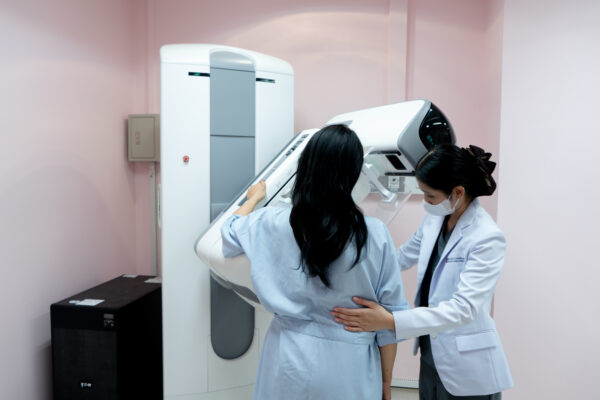
3D Digital Mammography (Tomosynthesis 3D Digital Mammography)
3D digital mammography offers multiple benefits that enhance both accuracy and safety in breast cancer screening, particularly in the early stages, which is a key factor in increasing the chances of successful treatment. The main advantages include:
High-Resolution, Multi-Dimensional Imaging
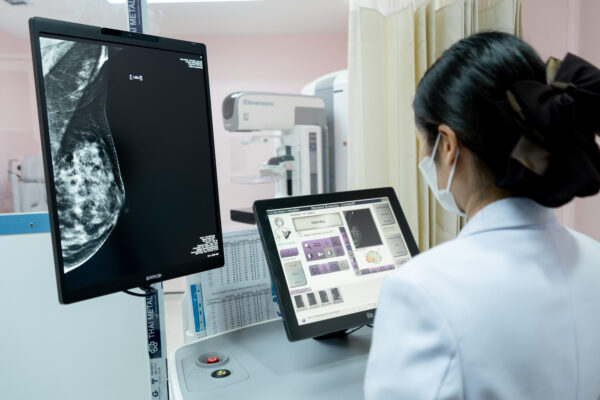
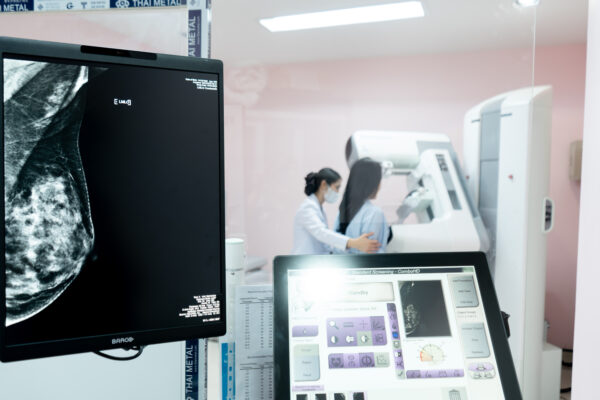
Three-dimensional imaging allows physicians to view breast tissue from multiple angles and layers, enabling clearer detection of abnormalities or small lumps that may not be visible on conventional two-dimensional images.
Early Detection of Breast Cancer
With higher image resolution and depth, this technology helps identify abnormal breast cells at an early stage, significantly improving treatment outcomes and reducing the risk of breast cancer-related mortality.
Reduced Recall Rate
The use of 3D imaging reduces the need for repeat examinations, as clearer and more comprehensive images allow for more accurate diagnosis during the initial screening.
Suitable for Women with Dense Breast Tissue
For women with dense or complex breast tissue, 3D mammography provides better tissue differentiation compared to 2D mammography, improving diagnostic clarity.
Optimized Radiation Usage
Although radiation is used, 3D digital mammography systems are designed to deliver an appropriate radiation dose, ensuring high-quality images while minimizing potential risks to patients.
Understanding Breast Cancer and Prevention Guidelines
Breast cancer is a disease caused by abnormal cells in breast tissue. These cells grow and divide uncontrollably, forming a malignant tumor that may spread to other parts of the body if not diagnosed and treated at an early stage.
Raising awareness about breast cancer is essential for women of all ages, as the causes and risk factors of the disease vary, including:
-
Genetic factors: A family history of breast cancer
-
Hormonal and age-related factors: Estrogen hormones, early onset of menstruation, and increasing age
-
Lifestyle factors: High-fat diets, lack of physical activity, and alcohol consumption
Understanding what breast cancer is helps individuals recognize warning signs and seek timely screening.
Breast Cancer Screening: Who Should Be Screened?
Breast cancer screening plays a crucial role in prevention and early diagnosis, significantly increasing the chances of successful treatment and reducing mortality risk. Those who should undergo breast cancer screening include:
Women of All Ages
Although breast cancer is more common in women over the age of 40, women of all ages should be aware of breast health and the importance of screening to detect abnormalities at an early stage.
Individuals with a Family History
Those with family members who have been diagnosed with breast cancer or abnormal breast cells should undergo regular screening due to a higher risk.
Individuals with Other Risk Factors
Such as high estrogen levels, a history of hormone replacement therapy after menopause, or previous findings of abnormal breast tissue.
Individuals with Symptoms or Noticed Changes
Anyone who notices abnormalities such as breast lumps, swelling, skin changes, or nipple changes should consult a doctor and undergo screening immediately.
Preparation Before Breast Cancer Screening
Avoid Using Lotions or Deodorant Sprays
On the day of the examination, avoid applying lotions, creams, or deodorant sprays around the breast area, as chemicals in these products may interfere with image clarity.
Wear Comfortable Clothing
Choose clothing that is easy to remove, especially tops with front zippers or buttons, to facilitate the examination and reduce stress.
Inform Your Medical History
If you have had previous breast examinations or treatments, inform your doctor. Also, notify the medical staff if you are pregnant or breastfeeding, as special considerations may be required.
Consult a Doctor if You Have Concerns
If you feel anxious or have questions about the screening process, consult your doctor beforehand to receive proper guidance and better understand each step of the examination.