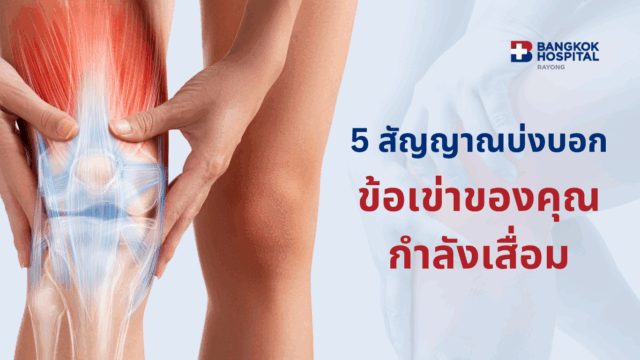
5 Warning Signs That Indicate Your Knee Joints Are Degenerating
Knee osteoarthritis is a common health problem among older adults, but it can also occur in working-age individuals who heavily use their knees or have behaviors that accelerate joint degeneration. If left untreated, it may lead to chronic pain and significantly affect quality of life. In this article, we will explore 5 warning signs that indicate your knee joints may be degenerating, along with ways to prevent the condition from worsening.
1. Knee Pain During Movement
One of the earliest signs of knee degeneration is knee pain, especially when walking up or down stairs, squatting, or standing for long periods. The pain may occur occasionally at first, but if it becomes more frequent and severe, it may indicate that the cartilage in the knee joint is wearing down.
Prevention Tips
-
Avoid excessive strain on the knee joints
-
Engage in light exercise such as walking or yoga
-
Maintain a healthy weight to reduce pressure on the knees
2. Knee Stiffness or Locking
If you experience knee stiffness or a locking sensation when starting to move after sitting for a long time or upon waking in the morning, this may be a sign of cartilage degeneration and a reduction in synovial fluid within the joint.
Prevention Tips
-
Stretch the knee muscles regularly
-
Drink enough water to support the production of joint lubrication
-
Consume omega-3-rich foods such as salmon or walnuts
3. Grinding or Clicking Sounds in the Knee
If you hear grinding, cracking, or clicking sounds when moving your knee, it may be due to cartilage deterioration, causing the bones to rub against each other directly. This is a warning sign that should not be ignored.
Prevention Tips
-
Avoid movements that cause excessive friction in the knee joint
-
Perform appropriate knee-strengthening exercises
-
Consider collagen supplements or joint-supporting nutrients
4. Swelling and Inflammation of the Knee
If your knee shows swelling, redness, warmth, or signs of inflammation, this may indicate inflammation within the joint, often caused by degeneration of the cartilage that protects the knee joint.

Prevention Tips
-
Avoid walking or standing for prolonged periods
-
Apply ice packs to help reduce inflammation
-
Consult a doctor if symptoms worsen
5. Reduced Range of Motion
If you notice a decrease in knee mobility or are unable to fully bend or straighten your knee, this may be a result of knee osteoarthritis, which impairs normal joint function.
Prevention Tips
-
Engage in exercises that improve knee flexibility, such as swimming
-
Avoid sitting positions that place prolonged pressure on the knees
-
Consume foods that support bone and joint health, such as milk, nuts, and green leafy vegetables
Treatment Options for Knee Osteoarthritis
1. Medication
Doctors may recommend pain relievers and anti-inflammatory medications, such as paracetamol or nonsteroidal anti-inflammatory drugs (NSAIDs), to help reduce knee pain and swelling.
2. Physical Therapy
Physical therapy, including exercises to strengthen the muscles around the knee, the use of supportive devices, and physical modalities such as heat or cold therapy, can help relieve pain and improve knee strength and function.
3. Knee Joint Lubrication Injections
In some cases, doctors may recommend injections of Hyaluronic Acid or Platelet-Rich Plasma (PRP) to enhance joint lubrication and reduce friction within the knee joint.
4. Robotic-Assisted Knee Replacement Surgery
When knee osteoarthritis becomes severe and cannot be effectively treated with other methods, surgical options may be recommended. These may include arthroscopic surgery to reduce inflammation or robotic-assisted knee replacement surgery.
At Bangkok Hospital Rayong, experienced specialists in robotic-assisted knee replacement are available to provide consultation and comprehensive care, helping patients regain mobility and return to daily activities with improved quality of life.

How to Keep Your Knees Healthy
- Exercise regularly, such as walking, swimming, or cycling
- Maintain a healthy weight to reduce stress on the knee joints
- Consume nutritious foods rich in calcium, vitamin D, and collagen
- Avoid risky behaviors, such as heavy lifting or sitting in kneeling or folded-leg positions for prolonged periods
Conclusion
If you experience any of these symptoms, it is important to start taking care of your knees today. Early prevention and treatment can help reduce the risk of knee osteoarthritis and improve your overall quality of life. Regular knee check-ups with a doctor are recommended to prevent potential problems in the future.