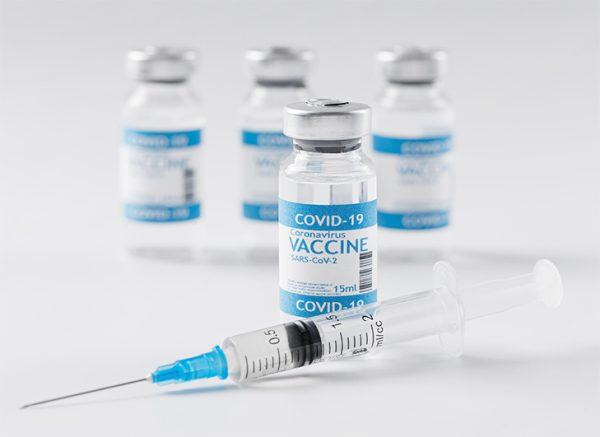
The 3rd Dose Vaccine (Booster Shot): How Necessary Is It?
The COVID-19 pandemic continues to spread in Thailand, even though most Thai people have already received two doses of the vaccine. The number of COVID-19 infections continues to rise due to the emergence of new variants, and the effectiveness of vaccines in the body may gradually decrease over time. This also depends on each individual’s physical condition.
Therefore, receiving a 3rd dose or even a 4th dose of the COVID-19 vaccine is considered highly necessary. Bangkok Rayong Hospital has prepared this article to provide guidance on receiving the 3rd and 4th booster doses as outlined below.
Related Topics
If you have already received two doses of the vaccine, is a 3rd booster dose necessary?
What type of vaccine should be used for the 3rd booster dose?
Who should not receive a booster vaccine?
If three doses have already been received, is a 4th dose still necessary?
Is a 3rd Dose Necessary After Completing 2 Vaccine Doses?
Individuals who have already received two doses of the COVID-19 vaccine are still recommended to receive a 3rd booster dose. This is because the human immune system can be weakened by external factors such as lack of rest, alcohol consumption, smoking, stress, and other lifestyle factors. In addition, immunity may decline due to an individual’s own physical condition.
As a result, immunity may significantly decrease and may no longer be sufficient to prevent infection or reduce the severity of COVID-19 within 3–5 months after vaccination (depending on the type of vaccine). Therefore, after completing two doses, receiving a 3rd booster dose is recommended to provide stronger protection against the coronavirus compared to only two doses.
Which Vaccine Should Be Used for the 3rd Dose?
Currently, numerous studies support that mRNA vaccines provide the strongest and longest-lasting immune response compared to other vaccine types. It is not recommended to use inactivated vaccines as a booster dose, as they stimulate a weaker immune response and the protection does not last long enough.
For individuals who have received two doses of AstraZeneca, it is not recommended to receive AstraZeneca again as the 3rd dose, as the immune response may increase less than expected. This is because the body has already developed immunity to the viral vector used in the vaccine. Additionally, it is not necessary to complete two doses of AstraZeneca before switching to an mRNA vaccine.
In summary, mRNA vaccines are the preferred option for booster doses, unless newer or more effective vaccine technologies become available.

Who Should Not Receive the 3rd Dose (Booster Vaccine)?
- Individuals who have experienced severe allergic reactions to all available types of COVID-19 vaccines, leaving no remaining vaccine technology suitable for administration
- Pregnant women who are less than 12 weeks pregnant
- Individuals who are currently in quarantine due to close contact with a confirmed COVID-19 case
(It is recommended to complete quarantine and observe symptoms for at least 10 days from the last exposure. Vaccination can be resumed afterward.) - Individuals who are currently infected with COVID-19, depending on the physician’s discretion
- In most cases, it is recommended to wait at least 4 weeks after full recovery before receiving a booster dose
- Recovery is generally counted from the day of discharge after completing 10 days of home isolation
- Exceptions include patients with lung involvement, ICU admission, or steroid treatment. In such cases, recovery should be counted from the follow-up visit after discharge or the end of post-discharge quarantine, based on the attending physician’s judgment
Is a 4th Dose Necessary After Receiving 3 Doses?
Yes. After receiving the 3rd dose (excluding inactivated vaccines) during the Omicron variant outbreak, immunity generally remains at a good to very good level for approximately 2–3 months, after which it gradually declines.
Therefore, it is generally recommended that the 4th dose be administered at least 3 months after the 3rd dose. Waiting up to 6 months may not be necessary. The timing should be considered based on individual daily risk and occupational exposure. Currently, there is no definitive guideline on whether a 3-, 4-, 5-, or 6-month interval is optimal for the immune system.
This principle may also apply to future booster doses (5th, 6th, etc.) until the circulating virus changes significantly, newer vaccine technologies become available, or global health organizations issue updated vaccination standards.
Summary
In summary, for booster vaccination or the 3rd dose, it is recommended to choose a live or mRNA vaccine, as it provides stronger and longer-lasting immunity.
- The 3rd dose can generally be administered 3 months after the 2nd dose, depending on individual risk factors and occupation.
- For individuals who have already received the 3rd dose and wish to receive a 4th dose, an interval of 3–6 months is recommended.
- Consultation with a physician or qualified healthcare professional is advised prior to vaccination.