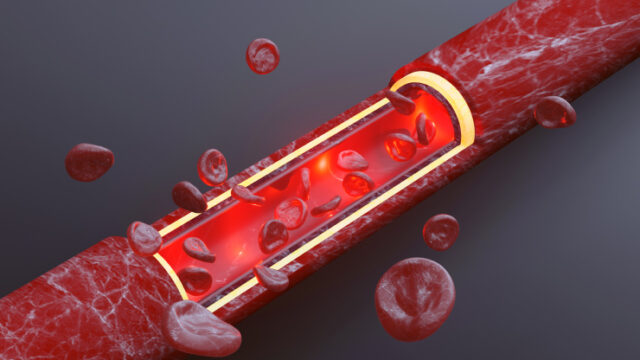
What is leukemia?
Leukemia, also known as leukemia, is a group of diseases in which immature white blood cells multiply continuously, accumulating in the bone marrow and then bursting out through the bloodstream, crowding out various organs. This disruption is caused by an overabundance of white blood cells. Leukemia usually develops after birth, although some cases can occur at birth. However, it is most common after birth.
What causes leukemia?
Currently, the exact cause is unknown, but there are some contributing factors, such as certain genetic diseases, such as Down’s syndrome, and radiation exposure, as we saw more cases after World War II and the atomic bomb.
Additionally, these compounds, benzene, have a group of contributing factors, making them more likely to be found. There are also certain infections, such as certain viruses.
Leukemia Symptoms
How to Recognize Abnormal Symptoms: If you have leukemia, what symptoms will indicate it? Symptoms can be broadly divided into four groups:
1. The first symptoms are loss of appetite, weight loss, anemia, and fatigue. These are common symptoms.
2. Easy bleeding: Leukemia has a low platelet count, which can lead to bleeding, such as bleeding from the gums, bruising, or abnormally heavy menstrual periods.
3. High white blood cell counts, but they don’t function as expected. White blood cells are primarily responsible for fighting germs, but they can’t fight germs. They are prone to infections, fever, and infections in various locations.
4. White blood cells compress or accumulate in various organs, causing lumps in the groin, lymph nodes, legs, or neck, or enlarged liver or spleen.
Diagnosing leukemia involves first performing a blood test to detect abnormalities. If immature white blood cells are found, a bone marrow biopsy is performed to confirm the presence of bone marrow growth.
How many stages are there of leukemia?
Leukemia and leukemia are classified according to the stage of cancer onset and the type of cancer cells.
Division by time of onset
1. Acute leukemia: This is caused by rapid division of white blood cells. Symptoms occur suddenly and severely, requiring prompt treatment.
2. Chronic leukemia: This is caused by excessive production of white blood cells, resulting in a higher than normal number of white blood cells. Because the disorder develops slowly, patients may not experience any symptoms for years, but these can be detected through blood tests.
Division by cancer cell type
1. Myelogenous leukemia: This is a type of cancer that arises from abnormal growth of myeloid cells.
2. Lymphocytic leukemia: This is a type of cancer that arises from lymphoid cells.
The classification of leukemia will influence treatment options, as each type of leukemia has a different course and prognosis. (Bumrungrad International Hospital)
Leukemia Screening/Diagnosis Methods
A complete blood count (CBC) may reveal low hemoglobin, low platelets, and a high or low white blood cell count. Fever may also be present. Your doctor will confirm the diagnosis by examining your bone marrow to count the number of fleccinated cells, performing special tests to differentiate between myeloid and lymphoid cells, and performing chromosomal analysis for prognosis.
A bone marrow biopsy is a necessary test for diagnosing leukemia. The doctor uses a needle to aspirate and biopsy a tissue sample from behind your hipbone or pelvis (not a spinal tap). The biopsy takes approximately 10-15 minutes and does not require a hospital stay (Bumrungrad International Hospital).
Treatment Methods for Leukemia
The first method of treatment is chemotherapy, which is given in series over a fairly long period of time, sometimes taking at least one to two years. Newer methods are now available.
The second method is a bone marrow transplant. We can do this, but it’s complicated, expensive, and has significant complications. It also requires the use of compatible bone marrow from a sibling. Therefore, the second treatment method must be considered on a case-by-case basis. The main principles of treatment are the two methods already mentioned.
Can leukemia be completely cured?
Currently, there have been advances in chemotherapy and bone marrow transplantation. Therefore, leukemia can be completely cured, especially in children under 12 years of age. The cure rate is quite high. This depends on prompt and early medical attention. Some groups are unaware of this and neglect it, allowing symptoms to worsen.
How dangerous is leukemia? Can it be fatal?
If acute leukemia is left untreated, most patients die within three to four months. The main cause of death is infection. And the infection can spread to various parts of the body. Another possibility is bleeding, such as bleeding from the brain, which can quickly lead to death.
In the case of patients with chronic leukemia, symptoms develop gradually, perhaps starting within 6-8 months. After that, various organs begin to deteriorate, leading to more serious problems. Therefore, we must take care of our treatment, as leukemia is a serious and dangerous disease.

Leukemia Prevention
While the exact cause is unknown, it is known that contributing factors include certain chemicals or foods high in additives. Currently, many people are consuming fast food or processed foods containing chemicals. Studies have shown that the incidence of cancer is increasing, not just leukemia, but other types of cancer. If we can reduce these foods, we will reduce the contributing factors.
Current recommendations from the American Cancer Society recommend that the general public eat at least five servings of fruits and vegetables per day, which will help reduce the incidence of cancer, regardless of the type.
Reference: Faculty of Medicine Siriraj Hospital, Mahidol University
https://www.si.mahidol.ac.th/