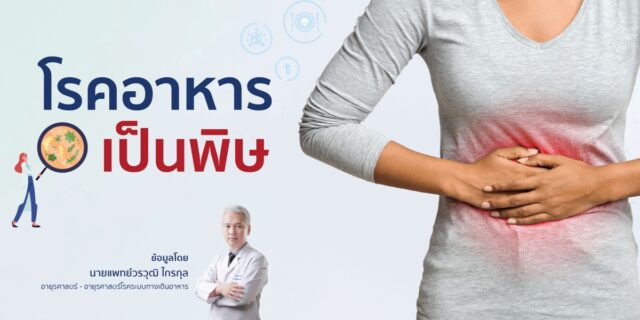
Food poisoning is a disease caused by consuming contaminated foods and drinks contaminated with microbes such as bacteria, viruses and parasites or plant- and animal-derived toxins. Symptoms of food poisoning usually start within 1-6 hours after consuming contaminated food or drinks. Common symptoms of food poisoning include:
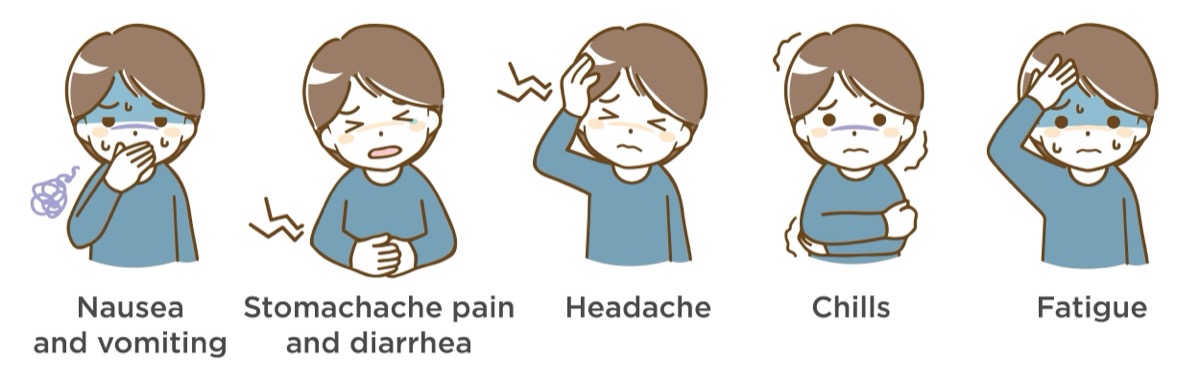
- Nausea and vomiting
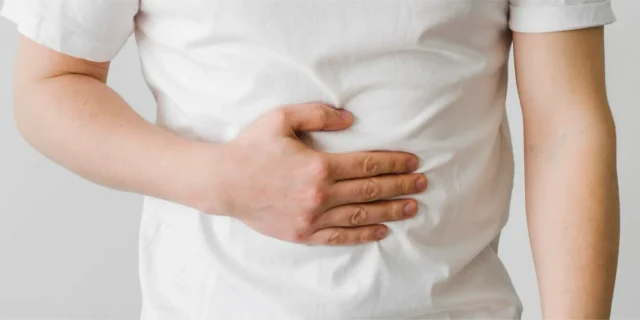
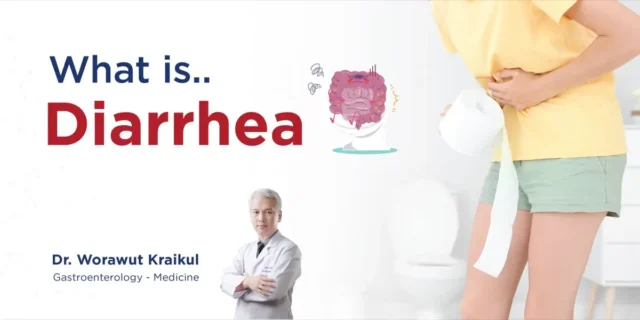
- Stomachache pain and diarrhea
- Headache
- Chills
- Fatigue
In some cases, food poisoning may lead to severe, life-threatening symptoms such as shock and kidney failure. This is especially true in young children, the elderly, and patients with chronic diseases such as heart disease, lung disease, kidney disease.
Treatment Guidelines
Food poisoning can be treated with the following symptomatic treatment methods:
- Drink enough fluids to compensate for fluid loss from vomiting and diarrhea
- Take antiemetics and antidiarrhoeals to relieve symptoms
- Take antipyretics if you have a fever
- Get enough rest
The patients may need to be hospitalized if they experience severe symptoms, such as excessive vomiting, severe diarrhea, and dehydration or shock. The doctor may consider additional treatment such as intravenous fluids, antibiotics, etc.
Prevention of Food Poisoning
The best way to prevent food poisoning is to eat clean, freshly cooked food and avoid eating potentially contaminated food or drinks. In addition to treatment as directed by their doctor, patients with diarrhea should adopt the following personal care measures:
- Wash your hands thoroughly before eating and after using the bathroom
- Purchase food, drinks and ingredients from clean, reliable sources
- Thoroughly cook your food
- Keep your food at the right temperature
- Avoid eating food that has been left out too long
If you have symptoms of food poisoning, you should consult a doctor immediately to receive the right treatment.