


One-Sided Headache — A Minor Symptom That Could Be Life-Threatening
One-sided headaches are common across all age groups. Many people dismiss them as stress or lack of sleep, but in some cases, they can be warning signs of something far more serious.
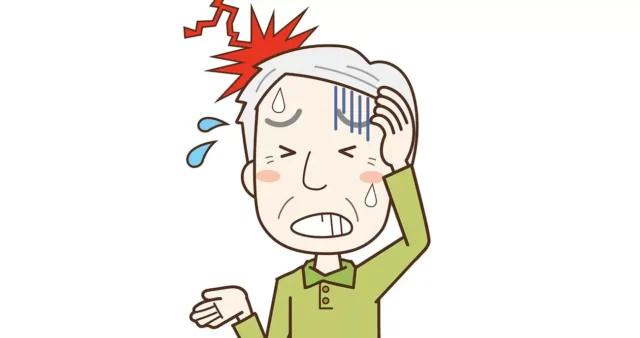
What is Migraine?
Migraine is a common chronic headache condition that occurs in episodes, characterized by a throbbing pain — usually on one side — accompanied by other symptoms such as nausea, vomiting, and sensitivity to light or sound.

Pride Month Origins: The LGBTQ+ Journey Through History
Each June, rainbow flags rise across cities worldwide to mark Pride Month—a time to celebrate, reflect, and recognize the voices, struggles, and victories of the LGBTQ+ community.

Unpacking LGBTQ: What It Stands For and the Power of Pride Flags
Each June, the world lights up in rainbow colors to celebrate Pride Month—a time to honor the LGBTQ+ community, its history, and its ongoing fight for equality.
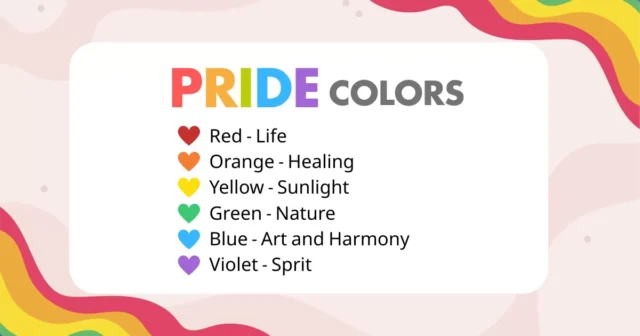
The Story Behind the Rainbow
The iconic rainbow flag, a global symbol of the LGBTQ+ community, was created by Gilbert Baker, a talented gay artist who envisioned a powerful emblem of pride, inclusion, and diversity. He chose the rainbow for its natural beauty and its representation of the full spectrum of human identity and experience.
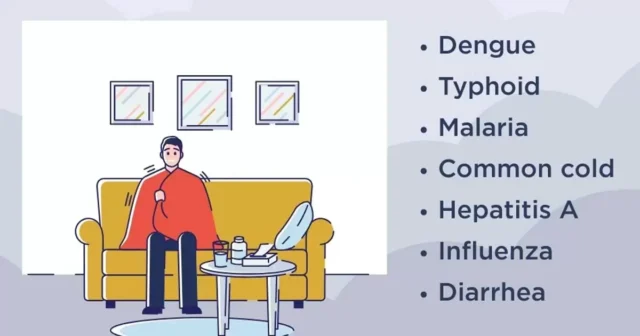
Monsoon Ready? Protect Your Health This Rainy Season!
Raindrops might be refreshing, but they bring hidden health risks! From dengue to flu, here’s how to guard your family
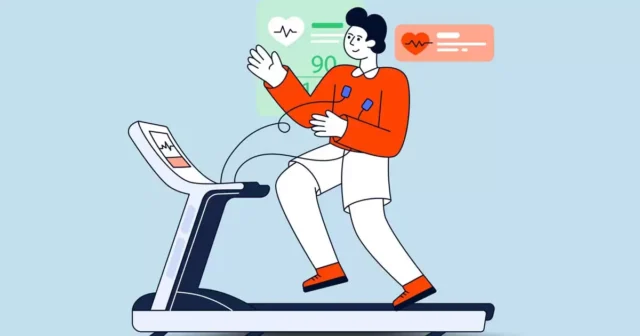
Understanding the Exercise Stress Test (EST)
An Exercise Stress Test reveals how your heart responds to effort - helping detect hidden risks and guide your path to better heart health.

Coronary Artery Disease (CAD)
Coronary Artery Disease (CAD) remains one of the leading causes of death globally. It affects individuals of all ages, particularly those with risk factors such as smoking, high-fat diets, physical inactivity, and chronic conditions like diabetes and hypertension.
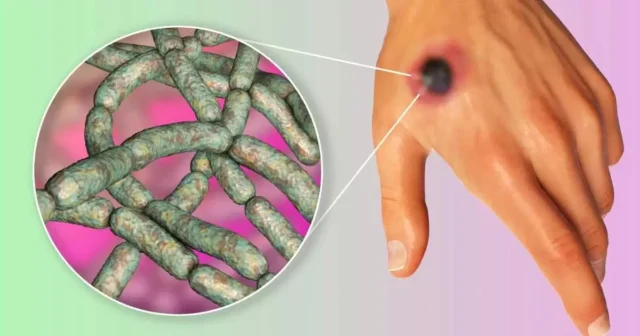
What is Anthrax?
Learn about anthrax, a life-threatening infection caused by Bacillus anthracis. Recognize early symptoms, transmission routes, and expert-recommended prevention strategies.
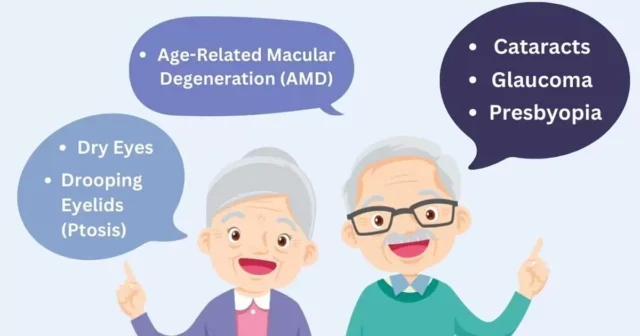
Protect Your Sight: Know the Signs of Common Eye Conditions in Older Adults
As we grow older, our eyes naturally undergo changes — but not all vision changes should be dismissed as “normal aging.”

High-Efficiency Kidney Dialysis (Online Hemodiafiltration)
Kidney failure is a condition where the kidneys lose function irreversibly, leading to the accumulation of waste and excess fluid in the body. Patients may experience symptoms such as anemia, fatigue, dry skin, loss of appetite, nausea, vomiting, high blood pressure, swelling, and shortness of breath.

Post-Earthquake Dizziness Syndrome (PEDS): It's Not Just in Your Head
Feeling dizzy after an earthquake—even when the shaking has stopped—is a real medical condition that affects both the body and mind. This condition is known as Post-Earthquake Dizziness Syndrome (PEDS).