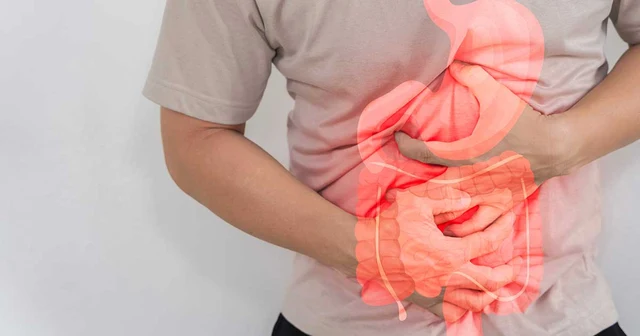

Chronic bloating, constipation, or diarrhea — is it really just IBS?
If you have been living with persistent bloating, excess gas, stomach pain after eating, chronic constipation, or frequent diarrhea, you may have been told it is Irritable Bowel Syndrome (IBS). But more than 50% of IBS patients are actually dealing with an underlying gut microbiome imbalance — specifically SIBO or IMO — that requires a different diagnosis and treatment approach entirely.
The Hydrogen & Methane Breath Test is the most widely used, non-invasive standard method for identifying these conditions accurately — and it is now available at Bangkok Hospital Pattaya’s Gastrointestinal and Liver Center.
What is the Hydrogen & Methane Breath Test?
The Hydrogen & Methane Breath Test is a diagnostic technology that analyzes the levels of hydrogen and methane gas in exhaled breath to assess sugar malabsorption and gut microbiome imbalance.
The principle is straightforward: human cells cannot produce hydrogen or methane on their own. Hydrogen gas is produced only when gut bacteria ferment sugars in the intestine. Methanogens — another type of gut microorganism — then take up that hydrogen and convert it into methane gas. Both gases are absorbed into the bloodstream and expelled through the lungs into exhaled breath. By measuring these gas levels at timed intervals, the test reveals what is happening inside your gut.
What conditions does it detect?
SIBO (Small Intestinal Bacterial Overgrowth)
When bacteria overgrow in the small intestine — due to slow gut motility or structural abnormalities — they rapidly ferment carbohydrates and sugars, producing excessive hydrogen gas. This leads to bloating, diarrhea, bad breath, Vitamin B12 depletion, and in severe cases, fat malabsorption causing oily floating stools.
IMO (Intestinal Methanogen Overgrowth)
When methanogens overgrow, they convert hydrogen into methane — a gas that specifically slows intestinal movement, leading to chronic constipation that does not respond to standard treatment.
Sugar malabsorption
The test can also identify intolerances to specific sugars — such as lactose or fructose — helping pinpoint dietary triggers that are contributing to symptoms.
4 key benefits of the Hydrogen & Methane Breath Test
- Accurate diagnosis
The test identifies the true underlying cause of digestive symptoms — distinguishing between IBS, SIBO, IMO, and sugar malabsorption — reducing unnecessary investigations and ineffective treatments. - Personalized treatment
Once the cause is confirmed, the doctor can prescribe targeted antibiotics, the right probiotics, and a personalized dietary plan — such as a Low FODMAP diet — specific to the patient’s condition. Treatment becomes targeted rather than trial and error. - Completely non-invasive and safe
The test involves nothing more than breathing into a collection device at timed intervals. No needles, no scope, no discomfort — safe and comfortable throughout. - Available in the Eastern Region — no need to travel to Bangkok
Bangkok Hospital Pattaya is the first private hospital in the Eastern Region of Thailand to offer this diagnostic technology, bringing specialist-level gut health assessment directly to patients in Pattaya and the surrounding area.
How to prepare for the test
Accurate results depend on careful preparation. Please follow these instructions strictly:
- 4 weeks before: Stop all antibiotics and avoid any colonoscopy or bowel cleansing procedures
- 1 week before: Stop all laxatives and antacids (consult your doctor if you need to continue any medication)
- 24 hours before: Avoid high-fiber foods such as vegetables, fruit, legumes, and whole grains; avoid all dairy products including butter, cheese, and yoghurt
- 12 hours before: Fast completely — no food or drinks other than plain water
- 1 hour before and during the test: No smoking and avoid exposure to secondhand smoke
What to expect on the day (approximately 3 hours)
- Consultation with a gastroenterologist to assess symptoms
- Baseline breath sample collected before the test begins
- Drink a specific sugar solution as directed by the doctor
- Breath samples collected at timed intervals throughout the process
Beyond a test result — restoring quality of life
Many patients with chronic digestive symptoms lose confidence in social situations, miss meals with family, or avoid activities because of unpredictable bloating, diarrhea, or sudden abdominal pain. The goal of the Hydrogen & Methane Breath Test is not simply to produce a number — it is to identify the root cause so that treatment can shift from symptom management to genuine resolution.
When the source of the problem is identified — whether bacterial overgrowth or a specific sugar intolerance — the path forward becomes clear: targeted antibiotics matched to the bacteria, the right probiotic formula, and a personalized nutritional approach that restores gut balance and returns confidence to everyday life.
Frequently Asked Questions About the Hydrogen & Methane Breath Test
Is the Hydrogen Breath Test painful and how long does it take?
The test is completely non-invasive and pain-free — it involves only breathing into a collection device. The full process takes approximately 3 hours at the hospital.
What types of chronic bloating should prompt a Hydrogen Breath Test?
If you experience persistent bloating, abdominal distension, excessive gas, frequent abdominal pain, chronic constipation, or diarrhea immediately after consuming milk or fruit, the breath test can help identify the cause. It is also strongly recommended for patients already diagnosed with IBS whose symptoms have not improved with standard treatment, as SIBO or hidden sugar malabsorption may be the underlying issue.
Why have the Hydrogen Breath Test at Bangkok Hospital Pattaya?
Bangkok Hospital Pattaya’s Gastrointestinal and Liver Center is the first private hospital in the Eastern Region of Thailand to offer the Hydrogen & Methane Breath Test. With an experienced specialist team and accurate diagnostic technology, patients in Pattaya and the Eastern Region can access personalized medicine without travelling to Bangkok.
How do I prepare for the breath test?
Stop antibiotics and avoid colonoscopy or bowel cleansing at least 4 weeks before the test. Stop laxatives and antacids 1 week before. Avoid high-fiber foods and all dairy products for 24 hours before. Fast for at least 12 hours before the test — plain water only. Avoid smoking for at least 1 hour before and during the test.
What happens after the test?
Once results are available, the gastroenterologist will explain the findings and create a personalized treatment plan — which may include targeted antibiotics, specific probiotics, and a dietary modification program such as Low FODMAP, tailored to the individual patient’s gut profile.
For more information or to book an appointment, contact the Gastrointestinal and Liver Center, Bangkok Hospital Pattaya. Tel. 0 3825 9999