Migraines are a very specific type of headache that are often misunderstood. Many people believe that any headache automatically means a migraine — but that’s not true. Migraines have distinct symptoms, causes, and treatment approaches that set them apart from ordinary headaches.
This article will help you understand migraines in depth so you can recognize the signs, know the possible causes, and learn how to manage them effectively.
What Is a Migraine?
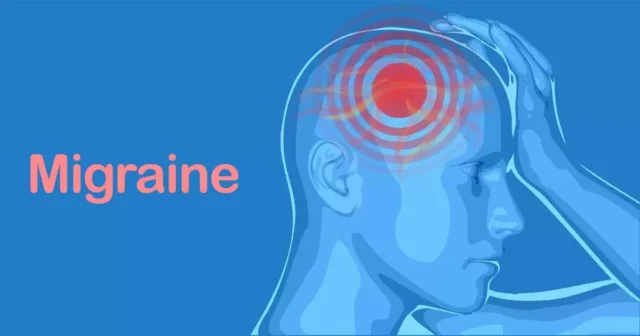
A migraine is a neurological condition involving both the brain’s nervous system and blood vessels. It usually occurs in recurrent cycles and can be accompanied by warning signs called aura (such as flashes of light or numbness).
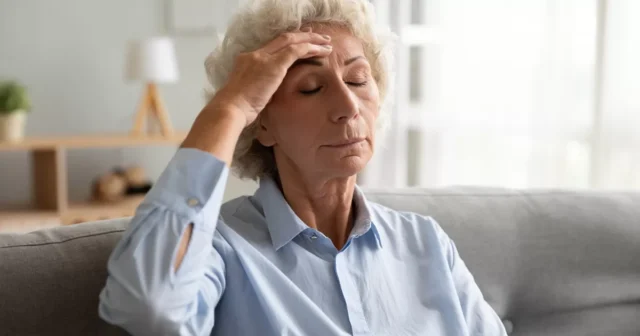
Migraines often affect one side of the head and cause intense, throbbing pain.
Key Characteristics of Migraines
- Throbbing pain, usually on one side of the head
- Nausea or vomiting
- Sensitivity to light and sound
- Possible aura before the pain starts (e.g., visual disturbances, numbness)
Common Migraine Symptoms
If you suspect you have migraines, check for these symptoms:
- Pain on one side of the head (may switch sides)
- Throbbing or pulsating sensation
- Nausea or vomiting
- Sensitivity to light and/or sound
- Aura: blurred vision, flashing lights, or numbness before pain begins
According to the American Migraine Foundation (2023), women are three times more likely than men to have migraines, especially during reproductive years.
Migraine vs. Ordinary Headache – How to Tell the Difference
What Causes Migraines?
While the exact cause isn’t fully understood, certain factors can trigger or increase migraine risk:
- Genetics – Family history increases susceptibility
- Hormonal changes – Especially estrogen fluctuations in women
- Stress – Releases chemicals that trigger migraines
- Sleep disruption – Irregular or insufficient sleep affects brain function
- Dietary triggers – Chocolate, aged cheese, fermented products
- Weather changes – Particularly low atmospheric pressure
Managing and Preventing Migraines
Migraines can’t always be cured, but they can be managed with the right lifestyle adjustments and medical care.
Self-care during an attack:
- Rest in a quiet, dark room
- Stay well-hydrated
- Apply a cold compress or gently massage the head
- Avoid strong smells and bright lights
- Keep a regular sleep pattern
Prevention tips:
- Identify and avoid trigger foods or habits
- Exercise regularly
- Practice relaxation techniques such as meditation or yoga
- Use preventive medication if prescribed by your doctor
When to Seek Medical Help
Contact a doctor immediately if you have:
- A sudden, severe headache unlike any before
- Numbness, slurred speech, or vision problems
- Frequent headaches disrupting your daily activities
- A headache after a head injury
- No relief from over-the-counter medications
Key takeaway– Not Every Headache is a Migraine
Understanding the difference between a migraine and an ordinary headache can help you take better care of yourself and avoid unnecessary suffering. If you’re unsure, consult a specialist for a proper diagnosis and treatment plan.