.png)


Headaches are one of the most common health complaints, affecting people of all ages and genders. In many cases, they are temporary—arising from stress, fatigue, or lack of rest.
But not all headaches are harmless. Sometimes, they serve as warning signals from the brain, alerting us to hidden dangers that may silently progress without our awareness.
The Brain and the Complexity of Headache Symptoms
The brain is an intricate and sensitive organ. Even slight changes in its structure or blood circulation can trigger various types of headaches, such as:
- Occipital headaches – often linked to high blood pressure or stress buildup.
- Severe unilateral headaches – may be early signs of migraines, or more alarmingly, symptoms of a brain tumor.
Types of Headaches That Require Caution
Not all headaches are concerning, but if they have the following characteristics, you should see a doctor immediately:
- New headaches that have never occurred before
- Sudden severe pain of unknown cause
- Severe unilateral headaches occurring frequently enough to disrupt daily life
Headaches accompanied by other symptoms such as seizures, nausea, vomiting, or vision problems
The Connection Between Headaches and Tumors (Brain Tumors)
Among the most concerning hidden causes of headaches are brain tumors. Although relatively rare, their consequences can be severe if left untreated. Warning signs include:
- Headaches that are worse in the morning
- Headaches that worsen when coughing, sneezing, or changing positions
- Chronic headaches that progressively worsen
- Accompanying neurological symptoms such as limb weakness, slurred speech, or memory loss
Brain tumors are rare diseases, but if left untreated, they may spread and compress brain tissue, leading to serious life-threatening consequences.
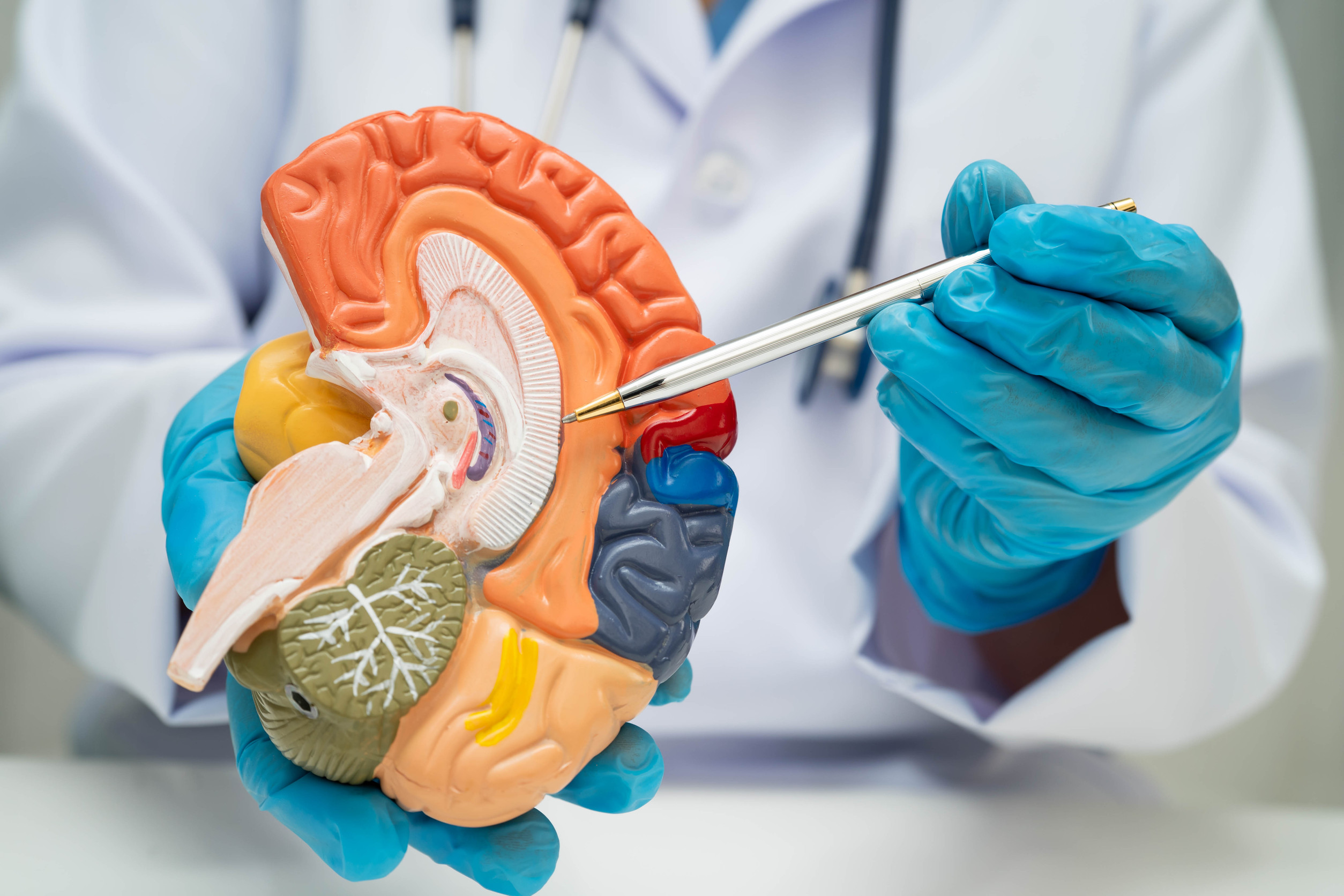
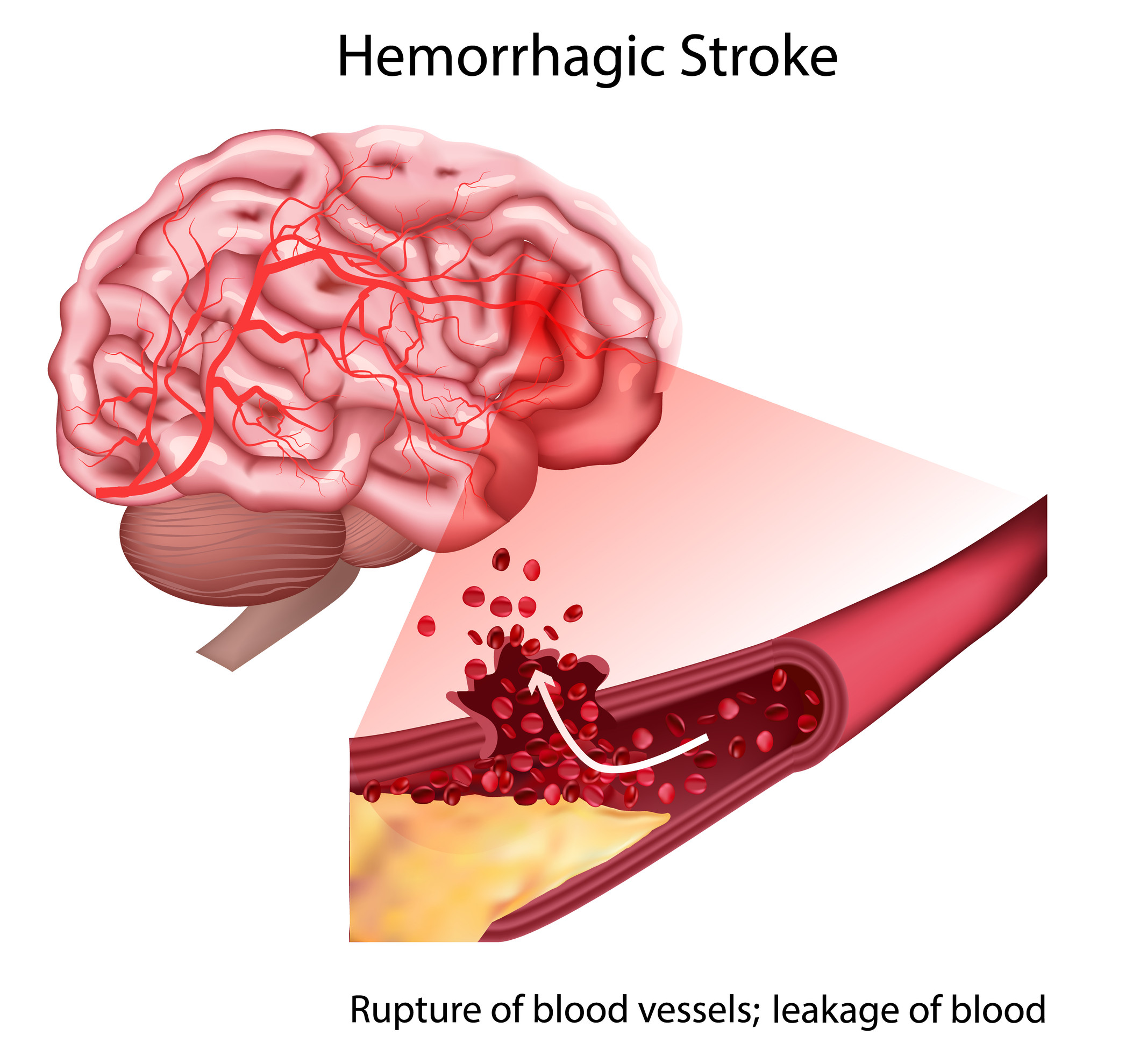
Hemorrhagic Stroke – Ruptured Brain Blood Vessels and Severe Headaches
A hemorrhagic stroke occurs when a blood vessel in the brain ruptures, causing bleeding into surrounding brain tissue. This bleeding interrupts the brain’s normal function and can quickly become life-threatening.
Key Symptoms to Watch for
- Severe, Sudden unilateral headache
- Loss of consciousness
- Seizures
- Hemiplegia (weakness or paralysis on one side of the body)
- Difficulty speaking or inability to speak
Why Immediate Action Matters
Hemorrhagic stroke is a medical emergency. The longer the brain is deprived of proper blood flow and function, the higher the risk of permanent disability or death. Immediate hospital treatment is critical to control bleeding, reduce pressure in the brain, and improve chances of recovery.
Risk Factors That Increase the Likelihood of Brain-Related Diseases
- High blood pressure
- Smoking
- Genetics
- Accumulated stress
- Advanced age
- Excessive use of drugs or alcohol
Diagnosing Headaches and Brain-Related Diseases
There are several diagnostic methods, such as:
- CT Scan or MRI to view brain structure
- Neurological examination
- Blood pressure measurement
- Lumbar puncture (in some cases)
Accurate and rapid diagnosis helps doctors plan targeted treatment and save patients’ lives in time.
When Should You See a Doctor?
If you have these symptoms, you should see a doctor immediately:
- Headaches that don’t resolve within 72 hours
- Headaches that are different from usual
- Pain accompanied by high fever or neck stiffness
- Headache with seizures or loss of consciousness
Headaches are often dismissed as minor, but some may signal life-threatening conditions such as brain tumors or hemorrhagic stroke.
If you or someone around you suffers from occipital headaches or severe unilateral headaches, consult a doctor promptly for an accurate diagnosis.