


When recurring diarrhea is a warning sign
Diarrhea that keeps coming and going is not something to brush off. It may be the first signal of inflammatory bowel disease – a serious condition affecting the large intestine that, if left untreated, can lead to colorectal cancer. IBD ulcerative colitis is one of the most common forms of bowel inflammatory disease, causing lasting damage to the digestive tract. Recognizing its symptoms early makes a significant difference in outcomes.
What is inflammatory bowel disease (IBD)?
Inflammatory bowel disease – commonly referred to as IBD – is a group of chronic conditions that cause persistent abnormalities and inflammation in the digestive tract. Bowel inflammatory disease of this kind differs from temporary digestive upsets in that it is ongoing, progressive, and requires long-term medical management.
The two main types of IBD are ulcerative colitis and Crohn’s disease.
IBD Ulcerative Colitis
Ulcerative colitis (UC) is a form of bowel inflammatory disease that causes chronic inflammation in the large intestine (colon) and rectum – the final organs in the digestive system. The inflammation begins as small ulcers that gradually damage the intestinal lining, potentially causing bleeding and the presence of pus. IBD ulcerative colitis typically results in severe diarrhea and in some patients can lead to life-threatening complications.
Crohn’s Disease
Crohn’s disease is another form of bowel inflammatory disease that causes swelling and irritation anywhere along the digestive tract – from the mouth to the anus. Unlike IBD ulcerative colitis, which is confined to the colon and rectum, Crohn’s disease most commonly affects the small intestine and penetrates deep into intestinal tissue. Symptoms include abdominal pain, diarrhea, weight loss, and rectal bleeding. In severe cases, Crohn’s disease can be debilitating and in some instances life-threatening.
Symptoms of IBD ulcerative colitis
The severity of symptoms in IBD ulcerative colitis depends on the location of the inflammation and how long the condition has been present.
Early stage symptoms:
- Severe diarrhea and difficulty controlling bowel movements
- Abdominal pain and cramping
- Fatigue
- Weight loss
- Anemia
During flare-ups or in more advanced bowel inflammatory disease:
- Severe diarrhea that may contain blood, mucus, or pus
- Pain or discomfort around the rectum
- Rectal bleeding
- Severe cramping
- Fever
- Skin rashes
- Mouth ulcers
- Joint pain
- Red, painful eyes
In children, IBD ulcerative colitis can also interfere with normal growth and development.

What causes inflammatory bowel disease?
The exact cause of bowel inflammatory disease has not been conclusively established. Earlier research suggested that diet and stress could worsen IBD ulcerative colitis, but these are not considered primary causes. The most widely accepted current theory is that IBD results from an immune system abnormality — where the immune system attacks intestinal bacteria but inadvertently damages the intestinal tissue in the process, causing ulceration and chronic inflammation. Genetic and environmental factors are also believed to play a role in bowel inflammatory disease.
How is IBD ulcerative colitis diagnosed?
Diagnosis of bowel inflammatory disease is based on a combination of symptom assessment, health history, and specific investigations:
Blood tests – low iron or anemia detected in blood tests may indicate bleeding in the rectum or intestines, a hallmark symptom of IBD ulcerative colitis.
Stool sample testing – abnormalities in white blood cells or certain proteins can indicate infection, intestinal bleeding, or signs of inflammation. Stool tests also help distinguish between IBD and infection from parasites or viruses.
Imaging technology – MRI or CT scan may be used depending on the clinical indication, providing detailed images to support diagnosis of bowel inflammatory disease.
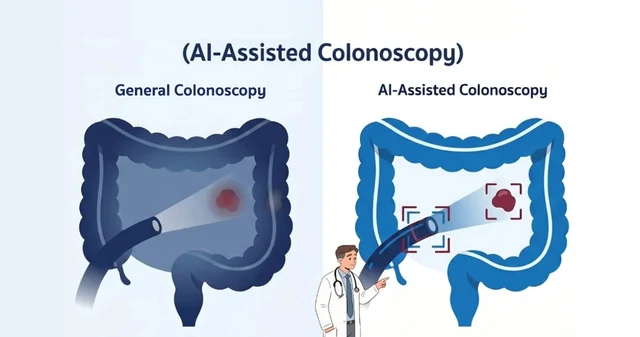
Endoscopy – a small, flexible scope is used to examine the interior of the intestine directly. Two types may be used depending on the patient’s presentation:
- Colonoscopy – examination of the entire large intestine
- Flexible sigmoidoscopy – examination of the lower large intestine and rectum only

IBD ulcerative colitis and colorectal cancer risk
Beyond its impact on quality of life, IBD ulcerative colitis is a recognized risk factor for colorectal cancer. Because bowel inflammatory disease continuously damages the intestinal wall, the cells in that area repeatedly attempt to repair themselves. Over time, this ongoing cycle of damage and repair can cause cellular changes — and those altered cells may eventually develop into cancerous cells, leading to colorectal cancer.
This is why getting diagnosed and treated promptly is about more than managing symptoms — it is also about reducing long-term cancer risk.
When should you see a doctor?
Diarrhea is one of the most common and earliest warning signs of IBD ulcerative colitis. If you experience persistent or recurring diarrhea without a clear cause, or if self-treatment is not working, do not delay in seeking medical advice. Early diagnosis of bowel inflammatory disease allows for timely treatment planning and helps prevent the condition from progressing to more serious complications.
Frequently Asked Questions About IBD Ulcerative Colitis and Inflammatory Bowel Disease
What is IBD ulcerative colitis?
IBD ulcerative colitis is a form of inflammatory bowel disease that causes chronic inflammation and ulceration of the large intestine and rectum. It is one of the two main types of bowel inflammatory disease and can cause severe diarrhea, rectal bleeding, abdominal pain, and in serious cases, life-threatening complications.
What is the difference between IBD ulcerative colitis and Crohn’s disease?
Both are forms of inflammatory bowel disease. IBD ulcerative colitis is confined to the large intestine and rectum, while Crohn’s disease can affect any part of the digestive tract from the mouth to the anus. Crohn’s disease also tends to penetrate deeper into the intestinal wall, whereas ulcerative colitis primarily affects the inner lining.
What does bowel inflammatory disease feel like?
Bowel inflammatory disease causes a range of symptoms beyond diarrhea, including abdominal cramping, rectal bleeding, fatigue, weight loss, anemia, joint pain, skin rashes, mouth ulcers, and eye inflammation. The condition can affect quality of life significantly, particularly during flare-ups.
What causes IBD and bowel inflammatory disease?
The exact cause is not yet fully understood. The leading theory is that an immune system abnormality causes the body to attack its own intestinal tissue. Genetic and environmental factors are also believed to contribute to bowel inflammatory disease. Diet and stress may worsen symptoms but are not considered primary causes.
Can IBD ulcerative colitis lead to cancer?
Yes. Chronic inflammation from IBD ulcerative colitis causes repeated cycles of intestinal damage and repair, which over time can lead to cellular changes that may develop into colorectal cancer. This is one of the key reasons why early diagnosis and ongoing treatment of bowel inflammatory disease are so important.
How is inflammatory bowel disease diagnosed?
Diagnosis of bowel inflammatory disease involves a combination of blood tests, stool sample analysis, imaging such as MRI or CT scan, and endoscopy. A colonoscopy or flexible sigmoidoscopy provides direct visualization of the intestinal lining and is a key part of confirming IBD ulcerative colitis.
Can children develop IBD ulcerative colitis?
Yes. Bowel inflammatory disease including ulcerative colitis can occur in children, and in younger patients it may interfere with normal growth and physical development — making early diagnosis and management particularly important.
Is IBD ulcerative colitis curable?
Currently there is no cure for IBD ulcerative colitis, but bowel inflammatory disease can be effectively managed with appropriate medical treatment. Treatment aims to reduce inflammation, control symptoms during flare-ups, maintain remission, and reduce the long-term risk of complications including colorectal cancer.
When should I see a doctor about recurring diarrhea?
If diarrhea recurs frequently without a clear explanation, does not respond to self-treatment, or is accompanied by blood, mucus, abdominal pain, or weight loss, consult a gastroenterologist promptly. These may be signs of IBD ulcerative colitis or another form of bowel inflammatory disease that needs professional evaluation.
For appointments or consultations, please contact Bangkok Hospital Pattaya’s Gastrointestinal and Liver Center through any of our available channels. Tel. 0 3825 9999
Reference,
Crohn’s disease – Symptoms and causes – Mayo Clinic
Stomach cancer – Diagnosis and treatment – Mayo Clinic
Does ulcerative colitis cause cancer? | MD Anderson Cancer Center
Ulcerative colitis – NHS (www.nhs.uk)
Ulcerative colitis – Symptoms and causes – Mayo Clinic