

What is ICSI?
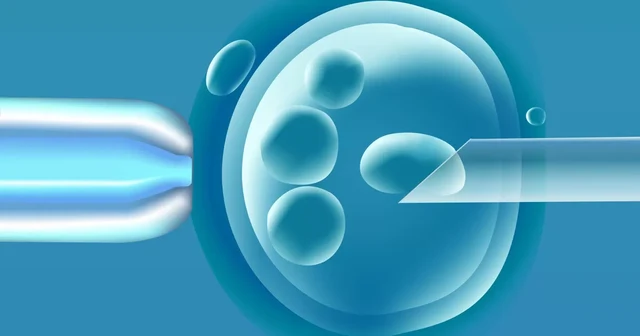
Intracytoplasmic Sperm Injection (ICSI) is an advanced form of IVF (in vitro fertilization) in which a single sperm is injected directly into a mature egg under laboratory conditions. It is commonly recommended for couples facing male factor infertility, previous IVF failure, or other fertility challenges where standard fertilization may be less effective. ICSI gives the fertilization process the most direct assistance possible, making it one of the most widely used assisted reproductive techniques today.
ICSI Treatment Timeline — Fresh Embryo Transfer
Day 1 of menstruation
Contact the hospital to schedule your first appointment with the doctor.
Day 2–3 of menstruation
- Consultation with the doctor
- Ultrasound to assess follicle size
- Hormone blood tests
- Begin ovarian stimulation injections
Day 4–7 of menstruation
- Continue ovarian stimulation injections — administered at home or at the hospital
Day 8 of menstruation
- Ultrasound to monitor follicle size
- Continue injections — ovarian stimulation medication and ovulation prevention medication, with dosage adjusted by the doctor
Day 9–11 of menstruation
- Continue injections — administered at home or at the hospital
Day 12 of menstruation
- Ultrasound to monitor follicle size
- Hormone blood tests
- Continue injections — ovarian stimulation, ovulation prevention, and trigger injection as determined by the doctor
Day 13–14 of menstruation
- Egg retrieval (egg collection procedure)
- Sperm collection by the partner
- ICSI performed in the laboratory — a single sperm is injected directly into each mature egg
- Embryo development monitored over 3–5 days in the laboratory
Fresh embryo transfer
The doctor determines the transfer date — typically Day 3–5 after egg retrieval, depending on embryo development.
Pregnancy test scheduled 7–10 days after embryo transfer.
Frozen Embryo Transfer Cycle
For couples whose embryos are frozen at the blastocyst stage (Day 5), transfer takes place in a subsequent cycle:
Day 1–3 of menstruation
- Ultrasound
- Begin uterine lining preparation medication
Day 12–14 of menstruation
- Ultrasound to assess uterine lining
- Continue uterine lining preparation medication
Day 20 of menstruation
- Frozen embryo transfer
Pregnancy test scheduled 7–10 days after embryo transfer.
Frequently Asked Questions About ICSI
What is the main difference between IVF and ICSI?
In standard IVF, eggs and sperm are placed together in a laboratory dish and fertilization occurs naturally. In ICSI, a single sperm is carefully selected and injected directly into each mature egg. ICSI is recommended when fertilization rates with standard IVF may be lower — for example, in cases of low sperm count, poor sperm motility, or previous IVF failure.
How long does an ICSI cycle take?
A full fresh ICSI cycle takes approximately two weeks from the start of stimulation injections to egg retrieval and embryo transfer, followed by a 7–10 day wait before a pregnancy test. A frozen embryo transfer cycle follows a separate preparation cycle of approximately 20 days.
Are the injections during ICSI self-administered?
Many of the daily stimulation injections can be self-administered at home, following instruction from the medical team. Some patients prefer to come to the hospital for injections — either approach can be arranged based on individual preference and the doctor’s guidance.
What is the difference between a fresh and frozen embryo transfer?
A fresh transfer takes place 3–5 days after egg retrieval in the same cycle. A frozen transfer uses embryos that have been cryopreserved and transferred in a later cycle after the uterine lining has been prepared with medication. Frozen transfers allow more time for the body to recover and can be used when fresh transfer is not appropriate.
When will I know if ICSI was successful?
A pregnancy test is scheduled 7–10 days after embryo transfer. The doctor will advise whether a blood test or urine test is most appropriate at that stage and will guide next steps based on the result.
What if the embryo transfer does not result in pregnancy?
If a transfer cycle is unsuccessful, the doctor will review the results and discuss the most appropriate next steps — which may include a frozen embryo transfer using remaining embryos from the same cycle, or further investigation before proceeding with another cycle.
For appointments or consultations, please contact Bangkok Hospital Pattaya’s Fertility Center through any of our available channels. Tel. 0 3825 9999