


What is IUI?
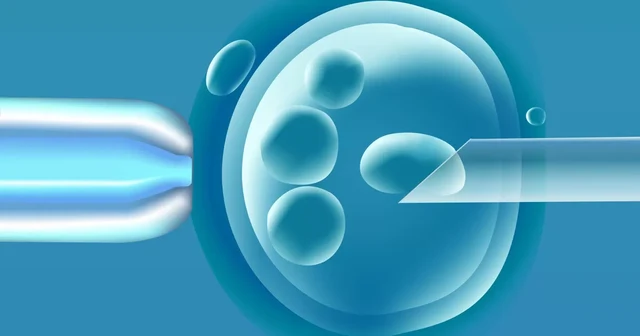
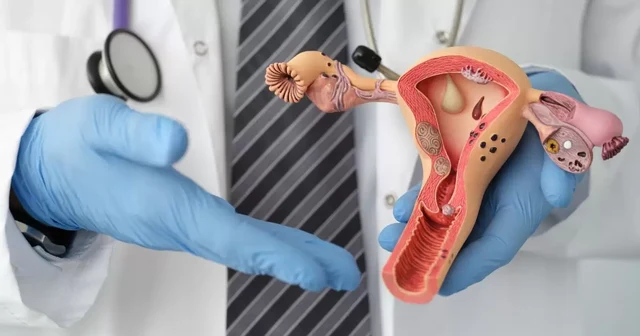
Intra-Uterine Insemination (IUI) is a fertility procedure in which prepared sperm is placed directly into the uterus around the time of ovulation, increasing the chances of fertilization. It is one of the most commonly used assisted reproductive techniques and is typically recommended as an early-stage fertility treatment.
IUI Treatment Timeline
Day 1 of menstruation
Contact the hospital to schedule your first appointment with the doctor.
Day 2–3 of menstruation
- Consultation with the doctor
- Ultrasound to assess the ovaries and follicles
- Blood tests
- Begin ovarian stimulation — either oral medication or injectable hormones, as determined by the doctor
Day 12–13 of menstruation
- Ultrasound to monitor follicle size and confirm readiness
- Trigger injection to induce ovulation — administered at the hospital or self-injected at home, depending on the doctor’s recommendation
Day 14 of menstruation
- Sperm collection by the partner
- IUI procedure — prepared sperm is inserted directly into the uterus
- Pregnancy test scheduled 14–16 days after the IUI procedure
What to expect after IUI
After the procedure, a follow-up appointment is scheduled approximately 14–16 days later for a pregnancy test. The doctor will advise on any medications or precautions to follow during the two-week wait.
Frequently Asked Questions About IUI
What is IUI and how does it work?
IUI (Intra-Uterine Insemination) is a fertility treatment in which washed and concentrated sperm is placed directly into the uterus using a thin catheter, timed to coincide with ovulation. By reducing the distance sperm must travel to reach the egg, IUI increases the likelihood of fertilization compared to natural conception.
How long does the IUI process take from start to finish?
The IUI cycle follows the natural menstrual cycle and takes approximately two weeks from the first appointment to the procedure itself, followed by a 14–16 day wait before a pregnancy test.
Is the IUI procedure painful?
The procedure itself is generally quick and minimally uncomfortable — similar to a cervical smear. Some women experience mild cramping during or shortly after the procedure, which typically resolves quickly.
How many IUI cycles are usually needed?
This varies depending on individual circumstances. A doctor will assess each patient’s situation and advise on the recommended number of cycles before considering other fertility options.
Can IUI be done without ovarian stimulation?
In some cases, IUI can be performed during a natural cycle without medication. However, ovarian stimulation is commonly used to increase the number of mature eggs and improve the chances of success. The doctor will recommend the most appropriate approach based on the individual patient.
When will I know if IUI was successful?
A pregnancy test is performed 14–16 days after the IUI procedure. The doctor will advise whether a blood test or urine test is most appropriate at that stage.
For appointments or consultations, please contact Bangkok Hospital Pattaya’s Fertility Center through any of our available channels. Tel. 0 3825 9999