

What is gastric cancer?
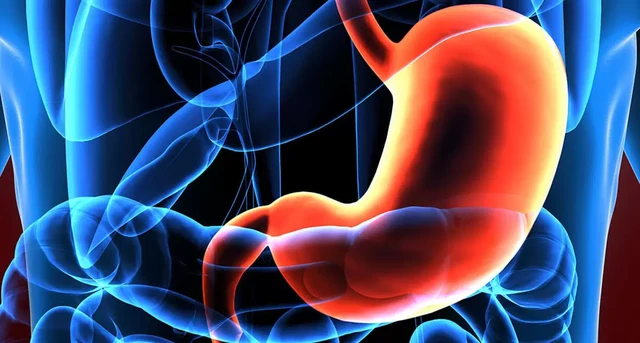
Gastric cancer — also known as stomach cancer — is a malignancy that develops when cells in the stomach lining undergo genetic changes and begin growing abnormally. It can develop anywhere along the stomach lining, progresses slowly, and gradually invades the stomach wall before spreading to nearby organs such as the liver and pancreas.
The good news is that treatment outcomes are generally better when cancer is detected while the tumor is still small and has not yet penetrated the stomach wall. Advanced cases — where cancer has already spread to surrounding organs — are significantly more difficult to treat. This is why recognizing gastric cancer symptoms early and seeking specialist evaluation promptly makes such a difference.
Gastric cancer symptoms: what to watch for
Gastric cancer does not always produce clear symptoms in the early stages. When symptoms do appear, they can resemble those of other digestive conditions, which is why a specialist’s assessment is essential rather than self-diagnosis.
Common gastric cancer symptoms include:
- Heartburn and persistent indigestion
- Unexplained weight loss
- Abdominal pain
- Loss of appetite
- Difficulty swallowing
- Fatigue and weakness
- Nausea, vomiting, vomiting blood, or black stools
- Frequent bloating or gas after eating
- Feeling full after eating only a small amount
Symptoms when cancer has spread to other organs:
- A lump felt under the skin — if cancer has spread to abdominal lymph nodes
- Jaundice (yellowing of the skin and whites of the eyes) — if cancer has reached the liver
- Abdominal swelling from fluid accumulation — if cancer has spread into the abdominal cavity
If you experience any of these gastric cancer symptoms persistently, do not wait. Consult a gastroenterologist as soon as possible.
What causes gastric cancer?
The exact cause of gastric cancer has not been conclusively established. It originates from damage to the stomach lining — whether from infection, chronic acid reflux, or dietary factors — which triggers DNA changes in cells. These altered cells multiply rapidly and survive beyond their normal lifecycle, forming tumors that grow and spread through the stomach wall and into surrounding tissue.
Known contributing factors include H. pylori infection in the stomach, chronic gastroesophageal reflux disease (GERD), and a diet high in heavily salted foods. However, having one or more of these factors does not mean a person will necessarily develop gastric cancer.
Risk factors for gastric cancer
- Smoking
- Chronic acid reflux (GERD)
- Diet high in heavily salted and processed foods
- Low intake of vegetables and fruit
- H. pylori (Helicobacter pylori) infection in the stomach
- History of non-cancerous polyps in the stomach
- Family history of gastric cancer
- Personal or family history of genetic syndromes associated with gastric or other cancers, including Lynch syndrome, juvenile polyposis syndrome, Peutz-Jeghers syndrome, and familial adenomatous polyposis
pylori and gastric cancer
pylori (Helicobacter pylori) is a bacterium that colonizes the stomach and produces toxins leading to chronic inflammation, stomach ulcers, and over time, cellular changes that can develop into gastric cancer. It is one of the most significant and treatable risk factors for gastric cancer. H. pylori can be detected through endoscopic biopsy, breath test, blood test, or antibody testing — with the breath test being the most convenient option, delivering results in just 30 minutes without any invasive procedure.
How is gastric cancer diagnosed?
Several diagnostic methods are available depending on the patient’s condition and the doctor’s assessment:
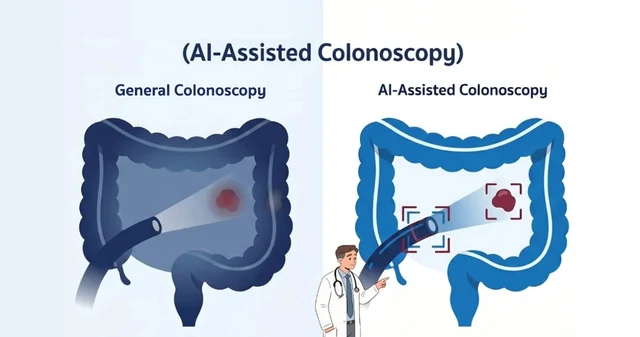
- Upper GI Endoscopy (Gastroscopy) — the most commonly used method for gastric cancer screening. A flexible tube with a camera is passed through the mouth into the stomach to examine the lining for abnormalities. If polyps or suspicious tissue are found, they can be removed during the same procedure for laboratory analysis. Gastric cancer on endoscopy is detectable with accuracy exceeding 95%.
- Endoscopic Ultrasound (EUS) — uses sound wave imaging to show the layers of the stomach wall, helping assess how deeply cancer has penetrated and determining the stage of disease.
- Radiological imaging — CT scan, MRI, and PET scan are used to detect cancer and assess its spread to other parts of the body. These may be combined with a barium swallow test to evaluate the digestive tract.
- Blood tests — blood tests cannot directly confirm gastric cancer, but abnormal results — such as elevated liver enzymes — may indicate organ involvement or damage. In advanced cases where biopsy is not possible, a circulating tumor DNA test may be used to detect cancer cell DNA in the bloodstream to guide treatment planning.
Treatment
Treatment of gastric cancer depends on the stage and severity of the disease and may involve surgery, chemotherapy, and radiation therapy.
When symptoms resemble gastritis or peptic ulcer disease, antibiotics may be prescribed first. If symptoms do not improve within two weeks, or recur after 6–8 weeks of treatment, endoscopy is required for further evaluation.
- Early stage — cancer confined to the surface lining can often be removed during endoscopy. Surgical removal of the affected stomach section and involved lymph nodes may follow, with chemotherapy administered afterward to eliminate remaining cancer cells.
- Advanced stage — chemotherapy is the primary treatment, sometimes combined with radiation therapy. Surgery may be used to address complications such as bile duct obstruction. Surgery alone at this stage carries a high recurrence risk — more than two-thirds of patients experience recurrence, with spread to lymph nodes and other organs. Regular follow-up after treatment is essential to detect any recurrence early.
Prevention
- Use shared serving utensils and eat freshly prepared hot food
- Fill half of each meal with vegetables and fruit
- Avoid grilled, smoked, pickled, heavily salted, and high-fat foods
- Exercise regularly
- Quit smoking and avoid alcohol
- Undergo endoscopic screening for gastric cancer from the age of 40
- If you have a family history of gastric cancer, undergo endoscopy and H. pylori testing so that treatment can be initiated promptly if needed
- Annual screening is recommended where possible to detect any changes early
Frequently Asked Questions About Gastric Cancer
What are the first signs of gastric cancer?
Early gastric cancer symptoms are often mild and nonspecific — heartburn, indigestion, bloating, nausea, loss of appetite, and unexplained weight loss. Because these symptoms overlap with many common digestive conditions, they are easy to dismiss. If they persist, a specialist evaluation is strongly recommended.
What are the warning signs that gastric cancer has progressed?
Advanced gastric cancer symptoms include black or tarry stools, blood in the stools, vomiting blood, severe abdominal pain, difficulty swallowing, jaundice, a palpable lump near the collarbone or under the skin, and abdominal swelling from fluid accumulation. These require urgent medical attention.
Can gastric cancer spread to other organs?
Yes. Gastric cancer can spread through the stomach wall to nearby organs including the liver and pancreas, to abdominal lymph nodes, and into the abdominal cavity. When this occurs, additional symptoms related to those organs may develop.
What is H. pylori and how is it linked to gastric cancer?
H. pylori is a bacterium that colonizes the stomach and causes chronic inflammation and ulcers. Over time, this damage can trigger DNA changes in stomach cells, leading to cancer. It is one of the most significant and treatable gastric cancer risk factors.
How is H. pylori detected?
H. pylori can be detected through endoscopic biopsy, breath test, blood test, or antibody testing. The breath test is the most convenient — non-invasive, painless, and delivers results within 30 minutes.
What is gastric cancer on endoscopy?
Gastric cancer on endoscopy refers to the detection and assessment of gastric cancer using an upper GI endoscope passed through the mouth. It provides a direct view of the stomach interior, allows biopsy of suspicious tissue, and in early cases, can remove surface-level cancer during the same procedure. Diagnostic accuracy exceeds 95%.
Who should be screened for gastric cancer?
Endoscopic screening is recommended from the age of 40. Those with a family history of gastric cancer, a history of H. pylori infection, chronic GERD, previous stomach polyps, or known genetic syndromes should be screened earlier and more frequently.
Can gastric cancer be cured?
Treatment outcomes are generally better when gastric cancer is detected early — while the tumour is still small and confined to the stomach lining. Advanced cases where cancer has spread beyond the stomach wall are significantly more difficult to treat. Early and regular screening is the most effective way to improve outcomes.
Is a blood test enough to diagnose gastric cancer?
No. Blood tests alone cannot confirm gastric cancer. They may indicate organ involvement through abnormal values, but endoscopy remains the most accurate diagnostic method. In advanced cases where biopsy is not possible, circulating tumour DNA testing may be used to detect cancer cell DNA in the blood.
How dangerous is gastric cancer?
Like all cancers, gastric cancer carries greater risk the later it is detected. When caught in the early stages, treatment has a much higher chance of success. When cancer has spread to surrounding organs, treatment becomes more complex and recurrence rates are high. Annual screening and a healthy lifestyle are the most effective tools for early detection and risk reduction.
For appointments or consultations, please contact Bangkok Hospital Pattaya’s Gastrointestinal and Liver Center through any of our available channels. Tel. 0 3825 9999
References:
Causes of stomach cancer – NHS (www.nhs.uk)
Stomach cancer – Diagnosis and treatment – Mayo Clinic
Stomach cancer – Symptoms and causes – Mayo Clinic
Stomach cancer | Causes, Symptoms & Treatments | Cancer Council
Stomach Cancer: Causes, Symptoms, Diagnosis & Treatment (clevelandclinic.org)