


What are the symptoms of a stomach ulcer?
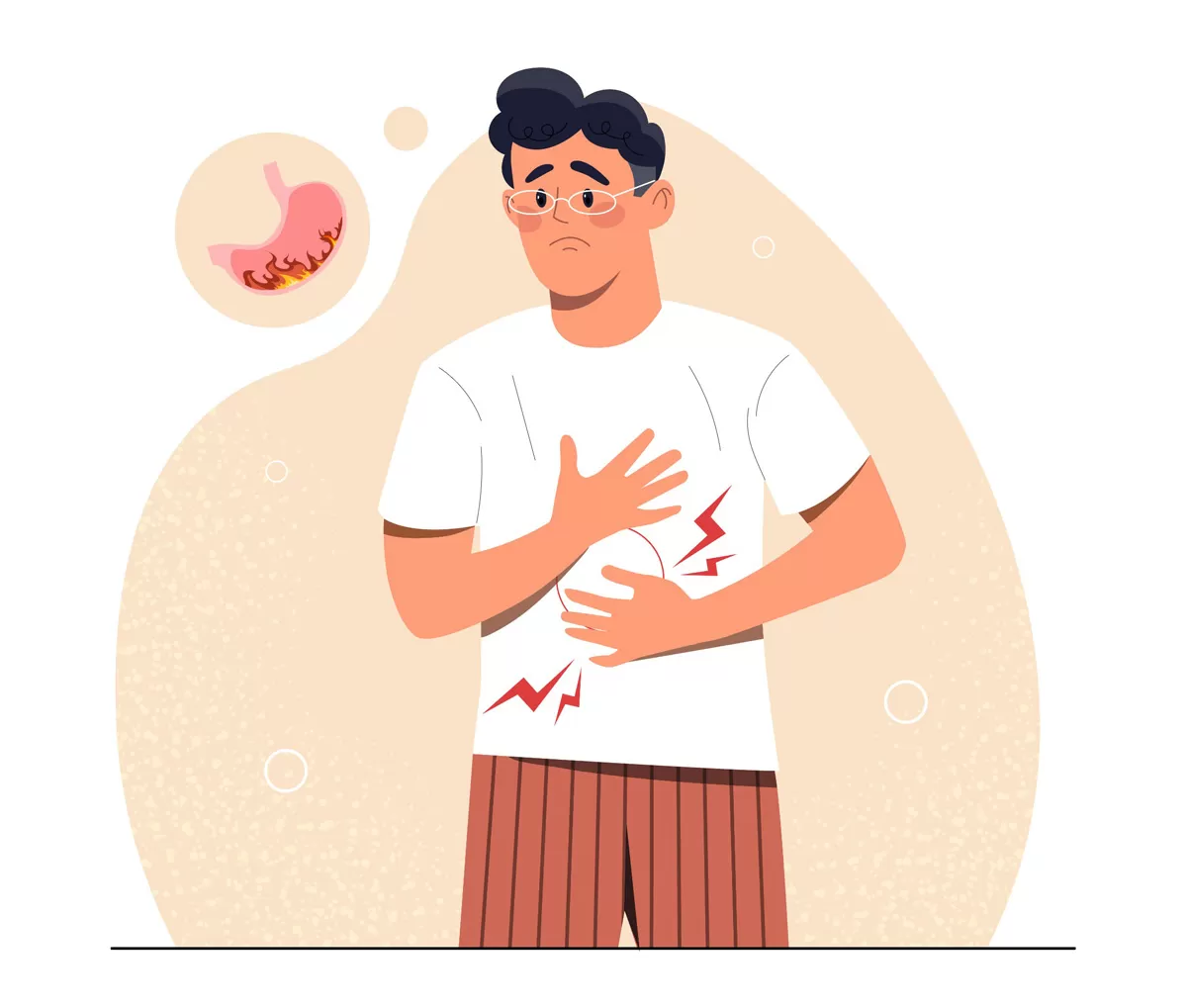
Stomach ulcers may cause mild symptoms or none at all in some people. When symptoms do occur, they commonly include:
- Burning or aching pain in the middle or upper abdomen
- Bloating
- Heartburn
- Nausea or vomiting
Abdominal pain and burning are the most frequently reported symptoms. Some people notice temporary relief after eating certain foods, but the pain typically returns between meals and during the night.
In more severe cases, symptoms may include:
- Dark or black stools — indicating blood in the stool
- Vomiting blood
- Dizziness or feeling faint
- Unexplained weight loss
- Loss of appetite or changes in appetite

How to relieve stomach ulcer symptoms at home
If you suspect you have a stomach ulcer, the following steps can help reduce severity and manage discomfort while you seek medical advice:
- Review your pain medication – if you regularly take pain relief medication, consult a doctor or pharmacist about whether it may be contributing to stomach ulcer symptoms. NSAIDs in particular can irritate the stomach lining and should be replaced with an alternative if possible.
- Manage stress – stress does not cause stomach ulcers directly, but in people who already have one, it can worsen pain and prolong healing. Stress management techniques such as meditation, journaling, spending time with friends, and regular exercise can all help reduce discomfort.
- Quit smoking – smoking weakens the stomach lining, slows ulcer healing, and increases acid production in the stomach.
- Avoid alcohol – excessive alcohol consumption irritates and erodes the stomach lining, worsens inflammation, slows healing, and increases the risk of internal bleeding.
Complications of untreated stomach ulcers
Stomach ulcers may not seem particularly serious, but when left untreated and allowed to worsen, they can lead to dangerous complications:
- Internal bleeding – the most common serious complication of chronic stomach ulcers. Bleeding from the ulcer can cause anemia or significant blood loss. While most ulcers involve inflammation without reaching the point of bleeding, chronic untreated cases carry a higher risk.
- Perforation – continuous acid erosion of an untreated ulcer can eventually create a hole in the stomach wall. This causes sudden, severe abdominal pain and carries a serious risk of peritonitis — bacterial infection of the abdominal cavity from digestive tract bacteria. Peritoneal infection can spread to the bloodstream (sepsis), which is life-threatening.
- Obstruction – scar tissue forming near the junction with the small intestine can block the passage of food, disrupting the digestive process. People with this complication often experience rapid fullness, loss of appetite, and weight loss.
- Stomach cancer – while uncommon, stomach ulcers caused by H. pylori infection or those associated with abnormal cell changes can, over a prolonged period, develop into cancerous cells.
Diagnosis and treatment
When you visit a doctor for a stomach ulcer, they will typically take a history of your pain medication use, perform a physical examination, and investigate the underlying cause using one or more of the following:
- H. pylori testing – via breath test, stool test, or blood test
- Endoscopy – direct visualization of the stomach lining using a scope
- Imaging – X-ray or CT scan of the digestive tract
If H. pylori infection is confirmed, treatment typically involves a course of antibiotics combined with medication to promote ulcer healing. Reducing personal risk factors – such as stopping NSAIDs, quitting smoking, and avoiding alcohol – also helps the ulcer heal more quickly.
A final note
Stomach ulcers are painful but generally manageable. Most cases can be improved by reducing the factors that cause inflammation. However, if self-management is not providing relief and symptoms are worsening, do not ignore it — see a doctor to identify the cause and begin appropriate treatment.
Frequently Asked Questions About Stomach Ulcers
What does a stomach ulcer feel like?
The most common sensation is a burning or aching pain in the middle or upper abdomen. The pain often improves temporarily after eating but returns between meals or during the night. Bloating, heartburn, and nausea are also common.
What are the warning signs that a stomach ulcer is serious?
Seek immediate medical attention if you notice dark or black stools, vomiting blood, sudden severe abdominal pain, dizziness or fainting, or unexplained weight loss. These may indicate internal bleeding or perforation — both of which are medical emergencies.
What causes stomach ulcers?
The two most common causes are H. pylori bacterial infection and prolonged use of NSAIDs (non-steroidal anti-inflammatory drugs such as ibuprofen or aspirin). Other contributing factors include smoking, excessive alcohol consumption, and chronic stress — though stress alone does not directly cause ulcers.
What is H. pylori and how is it related to stomach ulcers?
H. pylori is a bacterium that colonizes the stomach lining and produces toxins that cause chronic inflammation and ulceration. It is one of the leading causes of stomach ulcers and, when left untreated over a long period, can in rare cases contribute to stomach cancer. It is detectable through a simple breath test, stool test, or blood test.
Can stomach ulcers heal on their own?
Mild cases may improve with lifestyle changes- quitting smoking, avoiding alcohol, switching away from NSAIDs, and managing stress. However, if symptoms persist, worsen, or are caused by H. pylori infection, medical treatment is required. Leaving ulcers untreated risks serious complications including bleeding, perforation, and in rare cases cancer.
Can stomach ulcers lead to cancer?
In rare cases, yes. Stomach ulcers caused by H. pylori infection or those involving abnormal cell changes can, over a prolonged period, develop into stomach cancer. This is one reason why persistent or recurring ulcer symptoms should be properly investigated rather than managed solely with over-the-counter medication.
How are stomach ulcers treated?
Treatment depends on the cause. If H. pylori is present, a course of antibiotics combined with acid-reducing medication is prescribed. If NSAIDs are the cause, the doctor will recommend switching to a different pain relief option. Lifestyle changes — quitting smoking, avoiding alcohol, and reducing stress — support faster healing alongside medication.
When should I see a doctor about a stomach ulcer?
See a doctor if your symptoms do not improve with self-management, if pain is worsening, if symptoms return repeatedly, or if you experience any warning signs of complications such as blood in the stool, vomiting blood, or sudden severe abdominal pain. Early evaluation prevents complications from developing.
For appointments or consultations, please contact Bangkok Hospital Pattaya’s Gastrointestinal and Liver Center through any of our available channels. Tel. 0 3825 9999