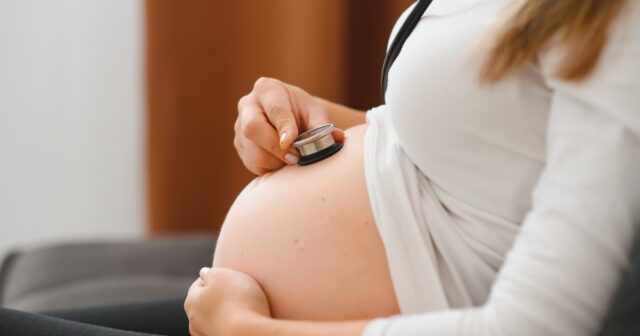



A multiple pregnancy – carrying twins, triplets, or more – is an exciting but higher-risk experience. The more babies involved, the greater the chance of complications for both mother and babies. Compared to singleton pregnancies, the perinatal mortality rate is 5 times higher for twins and 10 times higher for triplets.
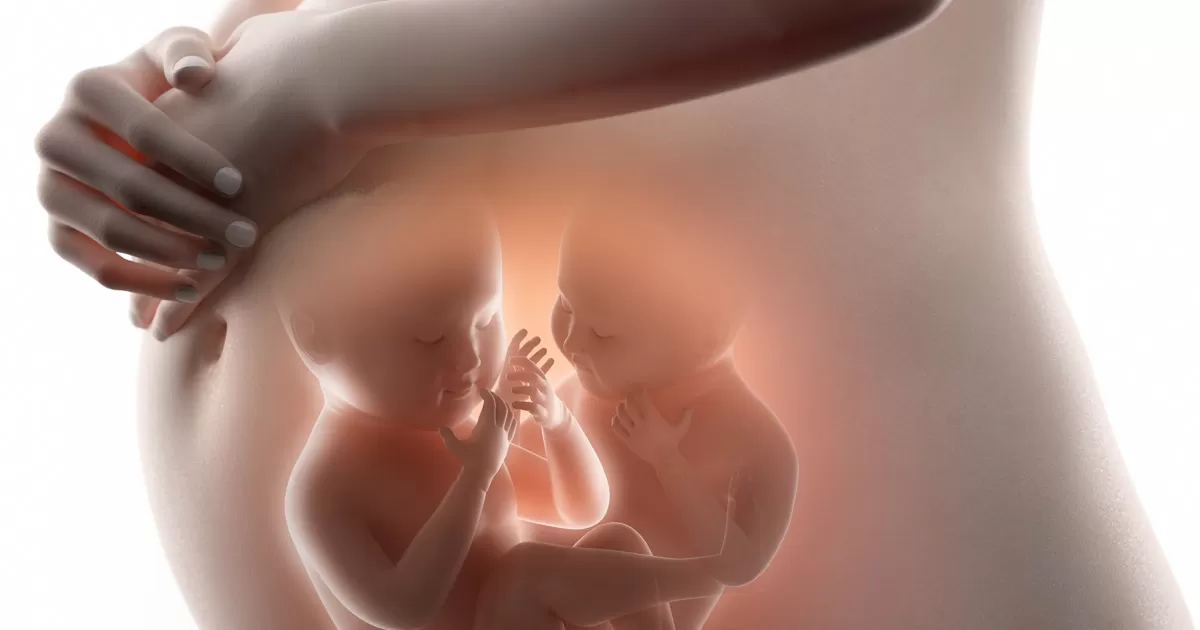
What are the types of twin pregnancy?
- Identical twins (Monozygotic) One egg is fertilized by one sperm, then splits into two embryos. The twins share the same genetic makeup. The number of placentas and amniotic sacs varies depending on when the split occurs.
- Fraternal twins (Dizygotic) Two separate eggs are each fertilized by different sperm. The babies may be the same or different sexes, and each has its own placenta and amniotic sac.
Fraternal twins account for approximately two-thirds of all twin pregnancies, while identical twins occur in roughly 1 in every 250 pregnancies – a rate that is fairly consistent across all populations.
Twin pregnancies overall occur in approximately 1 in 90 pregnancies, and the rate has risen by around 50% in developed countries over the past 20 years, largely due to increased use of assisted reproductive technology.

How does a multiple pregnancy affect the mother?
- More severe morning sickness – higher hormone levels mean nausea and vomiting are typically more intense than in a singleton pregnancy
- Anemia – the body must supply blood and nutrients to more than one baby simultaneously, increasing the risk of iron deficiency
- High blood pressure and preeclampsia – the risk of severe preeclampsia is up to 5 times higher than in a singleton pregnancy
- Polyhydramnios (excess amniotic fluid) – occurs in up to 12% of twin pregnancies, compared to just 1% in singleton pregnancies. This is associated with preterm labor, placental abruption, and postpartum hemorrhage
- Physical discomfort – back pain, leg pain, difficulty walking, shortness of breath, varicose veins, and hemorrhoids are more common due to the additional weight and pressure
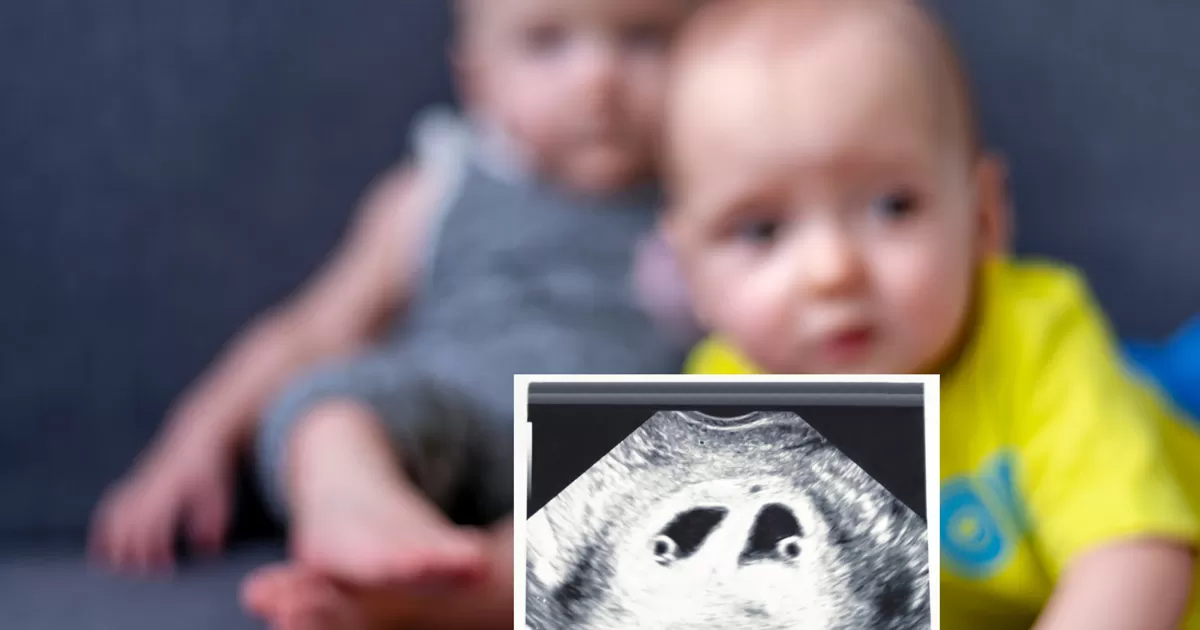
What complications should mothers be aware of?
- Preterm labor and delivery
- Pregnancy-induced hypertension
- Nausea and vomiting from morning sickness – more severe than in singleton pregnancies due to higher hCG hormone levels
- Anemia
- Gestational diabetes
- Premature rupture of membranes
- Low-lying placenta (placenta previa)
What does this mean for prenatal care?
Mothers carrying multiples require specialist-level monitoring throughout the pregnancy. It is important to register for antenatal care as early as possible after confirming the pregnancy, and to be under the care of an experienced obstetrician for the safety of both mother and babies.
For appointments and inquiries, contact the Women’s Health Center at Bangkok Hospital Pattaya: 0 3825 9999
Information provided by Dr. Prachayawan Thongnok, with academic consultation from Prof. Dr. Theera Tongsong.