Bangkok Hospital
Caret Right
Search
CTA Curve
Find doctors icon
Find doctors
Appointments icon
Appointments
Contact icon
Contact
Call undefined
Menu
  • Select Hospital

  • Language & Currency

Doctor not found
Doctor not found
Doctor not found
Doctor not found
Bangkok Hospital
Contact us
View on Google Maps
    Privacy Policy

    |

    Cookie Policy

    Copyright © 2026 Bangkok Hospital. All right reserved


    Network Hospitals Directory
    MEMBER OFBDMS logo

    Meet the Audiologist — the Hero Who Brings Laughter Back to Your Family

    4 minute(s) read
    Information by
    Bangkok Hospital Pattaya
    Updated on: 28 May 2026
    Recommended Packages
    Comprehensive Children's Eye Check-Up Package
    Comprehensive Children's Eye Check-Up Package
    Meet the Audiologist — the Hero Who Brings Laughter Back to Your Family
    Bangkok Hospital Pattaya
    Updated on: 28 May 2026
    Table of contents
    • Meet the Audiologist
    • FAQ

    Have you ever noticed? A parent turning the TV up so loud it fills the whole house. A grandparent quietly stepping away from family conversations because they can no longer keep up. Or perhaps you yourself have been struggling with frequent dizziness or vertigo that makes daily life difficult. Many people dismiss these as “old age” or simply not getting enough rest — but in reality, these issues are all connected to one of the body’s most complex sensory systems: hearing and balance.

    Today, we introduce you to the audiologist — a vital piece of the healthcare puzzle who does far more than “check your ears.” They are the ones who restore the joy of hearing, and here is why this profession matters to every generation in your family.

    1. The Memory Guardian: Intercepting Alzheimer’s in Old Age

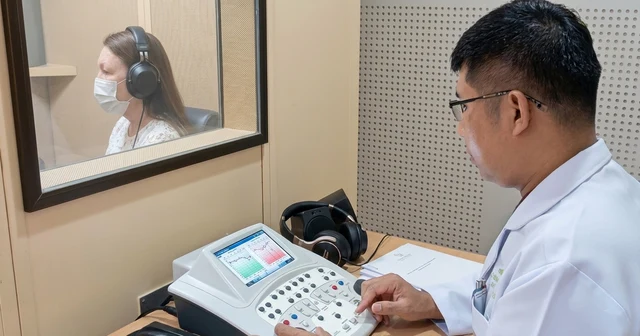
    Did you know that untreated hearing loss in the elderly is the number one modifiable risk factor for developing dementia (Alzheimer’s disease)? When the ears stop hearing, the brain’s auditory center stops being stimulated. Older adults begin to withdraw from social life, feel isolated, and fall into depression. Audiologists step in to assess the situation and bring them back into the world of communication.

    2. Fine-Tuning Sound to Fit Your Life: Why Buying a Hearing Aid Online Usually Doesn’t Work

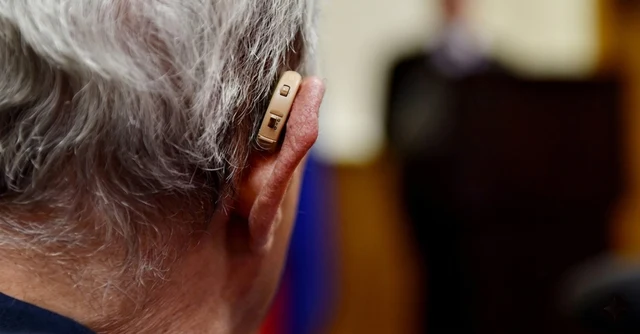
    Many well-meaning family members buy a hearing aid online for their elderly relatives — only to find it collecting dust in a drawer because the sound is unbearably loud or irritating. The truth is, a hearing aid is not like an off-the-shelf pair of reading glasses. It must go through a proper assessment and tuning/mapping process by an audiologist, calibrated precisely to the individual’s level of hearing loss and lifestyle. The same applies to those who require a cochlear implant — they too depend on audiologists for sound programming after surgery.

    3. The Vertigo Detective: Finding the Root Cause of Dizziness

    Dizziness, vertigo, and inner ear imbalance cannot always be resolved with motion sickness tablets. Audiologists are specialists in diagnosing the balance system located deep within the inner ear — identifying the true root cause and working alongside doctors to design targeted treatment.

    4. A Golden Opportunity for Your Child: Because Hearing Is Where Speech Begins

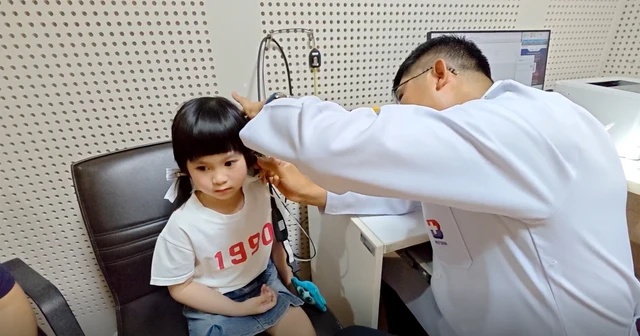
    For newborns, an undetected hearing problem can trigger a domino effect — impacting language development, speech, reading and writing, and academic performance later in life. Audiologists are responsible for newborn hearing screening to catch any issues early and ensure children grow and develop at the right pace.

    5. Ear Protection on the Job: Safeguarding Workers and Factory Staff

    Audiologists do not just treat — they also prevent. They play an active role in educating people about and preventing noise-induced hearing loss, particularly among industrial workers and even everyday users who listen through earphones at high volumes for extended periods.

    Conclusion

    Although audiologists are truly life-changing professionals, Thailand is currently facing a serious shortage of qualified practitioners in this field. If you or someone you love is showing signs of hearing loss, do not leave it too long. Seeking specialist advice early is the most worthwhile investment you can make for long-term quality of life.


    FAQ

    Q: My elderly parent has hearing loss but refuses to wear a hearing aid. What should I do?

    Many older adults reject hearing aids because they find the sound uncomfortably loud, or they experience annoying whistling. The right approach is to bring them to an audiologist for a detailed hearing assessment and proper tuning — adjusting the device to amplify only the specific frequencies they have lost, resulting in a sound that is soft, natural, and suited to their lifestyle.

    Q: I get dizzy and have frequent vertigo. How is this related to the ears?

    The organ that controls human balance is located deep inside the inner ear. When this organ is affected, it causes dizziness and spinning sensations. Audiologists have specialized equipment to examine the function of this system in depth, working alongside the treating doctor to identify the true cause.

    Q: My child is slow to speak and doesn’t respond when called. What tests are needed?

    Speech development begins with hearing. If a newborn’s hearing problem goes undetected and untreated, it directly affects speech, reading and writing, and overall brain development. The first step is to bring the child for a newborn hearing screening with an audiologist for a prompt assessment and care plan.

    Q: My ears feel blocked and I work in a noisy factory. Am I at risk of hearing damage?

    Yes, significantly. This is known as noise-induced hearing loss — a condition that often develops gradually without the person realizing it. An audiologist can assess the severity and advise on prevention, including appropriate ear protection and hearing conservation programs in the workplace.

    Q: Can hearing loss really cause Alzheimer’s or dementia?

    Yes. Medical research clearly confirms that untreated hearing loss is the number one preventable risk factor for dementia. When the ears stop hearing, the brain’s auditory area lacks stimulation and begins to deteriorate. Combined with the social withdrawal and reduced interaction that typically follow, this significantly accelerates cognitive decline.

    Q: Why do online hearing aids usually not work? What causes the whistling sound?

    Hearing aids sold online are typically just sound amplifiers — they make all sounds louder indiscriminately, including background noise, which most users find painful and irritating. Additionally, if the ear tip does not fit the ear canal properly, it causes feedback whistling. Medical-grade hearing aids must be assessed and configured by a qualified audiologist — there is no substitute.

    For more information, please contact

    Hearing Speech Balance Tinitus Center

    A building, 4th floor

    Monday - Saturday 8.00 am - 7.00 pm
    Sunday 9.00 am - 5.00 pm

    +66 3825 9986

    [email protected]

    Related Doctors

    See all doctors

    Packages & Promotions

    Comprehensive Children's Eye Check-Up PackageComprehensive Children's Eye Check-Up Package
    Comprehensive Children's Eye Check-Up Package

    2,200 Baht

    Detail
    Comprehensive Children's Eye Check-Up PackageComprehensive Children's Eye Check-Up Package
    Comprehensive Children's Eye Check-Up Package

    1,200 Baht

    Detail
    Check & Restore Your Eyes — For Heavy Screen UsersCheck & Restore Your Eyes — For Heavy Screen Users
    Check & Restore Your Eyes — For Heavy Screen Users

    1,200 - 12,000 Baht

    Detail
    More packages

    Health Info

    More health info

    Health Info

    A Deep Dive into the Important Role of an Audiologist — More Than Just an Ear Check Image
    A Deep Dive into the Important Role of an Audiologist — More Than Just an Ear Check
    Hearing Problems Can Be Solved Image
    Hearing Problems Can Be Solved
    Interesting facts from Hearing Speech Balance Tinnitus Center Image
    Interesting facts from Hearing Speech Balance Tinnitus Center
    More health info