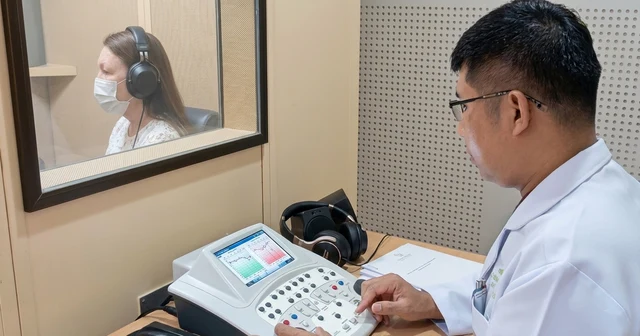

An Audiologist, or Communication Sciences and Disorders specialist, is a licensed healthcare professional certified by the Ministry of Public Health. Audiologists specialize in diagnosing hearing and balance disorders and providing hearing rehabilitation. Their role is multi-dimensional and critically important to public health and quality of life.
1. Improving Quality of Life and Communication
Hearing loss directly impacts everyday life. Left unaddressed, it can lead to social withdrawal, loneliness, anxiety, depression, and loss of confidence. Audiologists step in to diagnose the condition and develop a treatment plan, helping patients reconnect with the people around them — restoring quality of life and enabling them to participate in society on equal footing.
2. A Critical Role in Child Development
Newborn Hearing Screening is one of the most important responsibilities of an audiologist. If a child’s hearing problem goes undetected and untreated in time, it can negatively affect language development, speech, reading and writing skills, mental health, and future academic achievement.
3. Experts in Hearing Technology
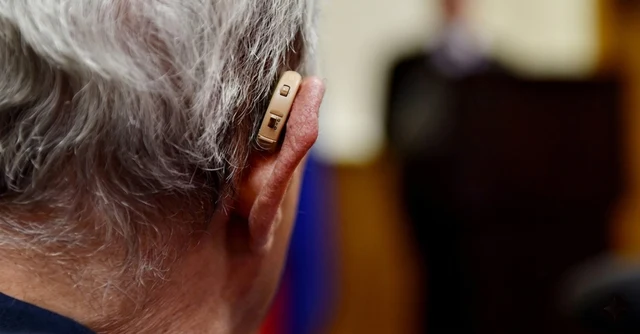
A hearing aid is not simply a device you buy and use straight away. It must go through a thorough assessment and fine-tuning process by a hearing specialist to ensure it is matched to the individual’s degree of hearing loss and lifestyle. Audiologists also play a vital role in the cochlear implant process — both in preparing the patient before surgery and in performing sound programming (mapping) after surgery to help the patient hear again.
4. Diagnosing and Managing Balance Disorders
Beyond hearing, audiologists are also specialists in diagnosing disorders of the balance system. They help identify the causes of dizziness, vertigo, and inner ear conditions, working alongside the medical team to design appropriate treatment and rehabilitation plans.
5. Hearing Conservation in Communities and Industry
Audiologists play an active role in raising awareness and preventing avoidable hearing and communication problems — such as educating workers in factories and industrial settings about the dangers of noise exposure, in order to prevent noise-induced hearing loss.
6. Essential in an Aging Society
As Thailand fully enters the era of an aging society, hearing loss among the elderly is on the rise. Audiologists play a key role in reducing the risk of Alzheimer’s disease and dementia — research has identified hearing loss as the single most significant modifiable risk factor for developing these conditions.
In summary, audiologists do far more than check your ears. They are “the ones who bring the joy of hearing back to you and your family.” We believe that good hearing is the foundation of quality of life. If you notice any changes or have concerns about your hearing health, do not wait — let us be part of your care, so that every sound in your life has meaning once again.