Please refrain from consuming alcoholic beverages and energy drinks for at least 24 hours prior to the examination.
Please refrain from eating for at least 8–12 hours before the examination. Plain water is allowed.
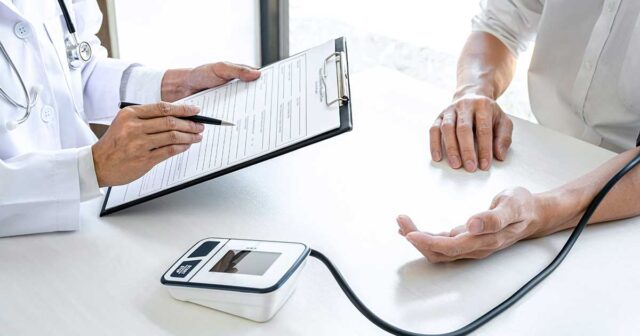
Please avoid beverages containing caffeine, such as tea and coffee, for at least 8–12 hours prior to the examination, as caffeine may affect blood pressure and heart rate.
Adequate rest is recommended, with at least 6 hours of sleep before the health check-up. Insufficient sleep may result in abnormal findings and may interfere with accurate medical assessment, particularly blood pressure, heart rate, and body temperature.
If you are taking medication to control blood pressure, on the morning of the examination, antihypertensive medication may be taken with a small glass of water, according to your treating physician’s advice.
If you have diabetes mellitus, please withhold insulin injections or oral antidiabetic medication that is usually taken before breakfast on the day of blood testing to prevent hypoglycemia (low blood sugar).
If you have any underlying medical conditions or relevant medical history, please bring your current medications, previous test results, or medical reports for reference during the examination.
Please wear loose-fitting clothing that allows easy access for blood collection from either arm.
After blood collection, please apply pressure to the puncture site with a cotton ball or press on the adhesive bandage for 1–2 minutes to prevent bleeding and bruising.
If you have a history of needle or blood phobia, please inform the nursing staff prior to blood collection.
2. Preparation for chest X-ray Examination
If you suspect that you may be pregnant, please inform the nursing staff prior to the examination so that the chest X-ray can be postponed or avoided.
3. Preparation for Ultrasound Examination
Please drink plain water while waiting for the examination and hold urine prior to the procedure. A full bladder allows clearer visualization of the urinary bladder, prostate gland, uterus, and ovaries.
Please refrain from eating or drinking for at least 8–12 hours before the examination to allow optimal visualization of the gallbladder and to reduce gas in the stomach and intestines, which improves image quality of internal organs.
4. Preparation for Breast Cancer Screening (Mammography and Breast Ultrasound)
Mammography and breast ultrasound should ideally be performed during a period when the breasts are not tender or engorged. The most appropriate time for mammography is 3–10 days after the end of menstruation, when hormone levels decrease and breast tenderness is minimized, resulting in less discomfort during the examination.
Please avoid wearing jewelry, especially earrings and necklaces.
Please bring previous mammography or breast ultrasound films or reports for comparison, if available. This allows the physician to assess any newly developed abnormalities. (Applicable to patients who have undergone prior breast imaging at another facility).
If you have had breast augmentation surgery, please inform the physician or staff prior to the examination so that appropriate imaging techniques can be used.
5. Preparation for Exercise Stress Test (EST)
Please refrain from eating for 2–3 hours prior to the test to prevent abdominal discomfort. Plain water is allowed.
Please avoid beverages containing caffeine, such as coffee, tea, and energy drinks, for at least 12 hours before the test, as they may increase heart rate.
Please refrain from smoking for at least 4 hours prior to the test, as smoking may increase heart rate.
Please wear comfortable clothing and footwear suitable for exercise.
6. Preparation for Coronary Artery Calcium Score (CT Calcium Score)
You may eat and drink as usual; fasting is not required prior to the examination.
Please avoid beverages containing caffeine, such as coffee, tea, and energy drinks, for at least 12 hours prior to the examination, as they may increase heart rate.
Please refrain from smoking for at least 4 hours prior to the examination, as smoking may increase heart rate.