
What are urinary tract stones?
Urinary tract stones are hard mineral deposits that form within the urinary system. They are classified by location — kidney stones, ureteral stones, bladder stones, and urethral stones. Most stones begin forming in the kidneys and may travel downward through the ureter to the bladder and beyond. Small stones can pass out naturally during urination, while larger ones can cause blockages and serious complications.
Urinary tract stones are a significant health concern in Thailand, particularly in the North and Northeast, where prevalence reaches 10–20% of the population. Recurrence rates are notably high, placing a considerable burden on both patients and the healthcare system.
There are two broad categories of stones: gallstones and urinary tract stones. Though both are called “stones” due to their hard, rock-like appearance, they differ in composition, cause, and treatment. This article focuses on urinary tract stones.
What causes urinary tract stones?
Stone formation results from a combination of factors including genetics, metabolism, diet, lifestyle, geography, and climate. Stones form when stone-forming substances in the urine — calcium, phosphate, oxalate, and urate — are present in abnormally high concentrations relative to the natural inhibitors that prevent crystals from forming.
The most important inhibitors are citrate, potassium, and magnesium. In Thai kidney stone patients, low urinary citrate is found in approximately 70–90% of cases, and low potassium in around 40–60% — among the most common contributing factors identified.
The most common stone type in Thailand is calcium phosphate (approximately 80%), followed by uric acid stones (10–20%).
Internal risk factors:
- Kidney anatomy
- Family history and genetics
External risk factors:
- Hot climate with high sweat loss and low fluid intake
- Low daily water consumption
- Diet high in oxalate-rich foods such as spinach
- High-dose vitamin C supplementation, which converts to oxalate in the body
- High calcium intake from food or dairy
- Metabolic conditions such as gout or overactive parathyroid glands
- Urinary tract infections
- Certain medications
- Nutritional deficiencies in phosphorus and protein
Types of urinary tract stones
Kidney stones (nephrolithiasis)
Kidney stones are the most common type, forming inside the kidney. They are most frequently seen in men aged 30–40 and are more prevalent in northern and northeastern Thailand. Stones can range from very small to large, may be single or multiple, and usually affect one kidney, though both can be affected. Some patients experience recurrent episodes.
Bladder stones
Bladder stones are particularly common in children under six in rural northeastern Thailand. They are linked to diets low in phosphorus and protein combined with high consumption of oxalate-rich foods such as spinach. When stones grow too large, surgical removal is required.
Signs and symptoms
Symptoms vary in severity depending on the size and location of the stone.
Kidney stones signs:
- Intense, colicky pain in the flank or lower back at the kidney site
- When a stone moves into the ureter, pain becomes severe, comes in waves, and may be accompanied by sweating
- Blood in the urine — pink, red, or cloudy
- Nausea and vomiting
- Sandy or gritty particles in the urine
- Some patients have no symptoms at all
- Complications such as pyelonephritis (kidney infection) can develop if left untreated, and prolonged obstruction can lead to kidney failure
Bladder stones signs:
- Difficulty urinating or painful urination
- Cloudy, blood-tinged, or discoloured urine
- Intermittent or weak urine stream
- Frequent urge to urinate without being able to pass much
- Small stone fragments or sandy particles in the urine
- If a stone blocks the urethra, a persistent urge to urinate with inability to do so
Where is kidney stones pain felt?
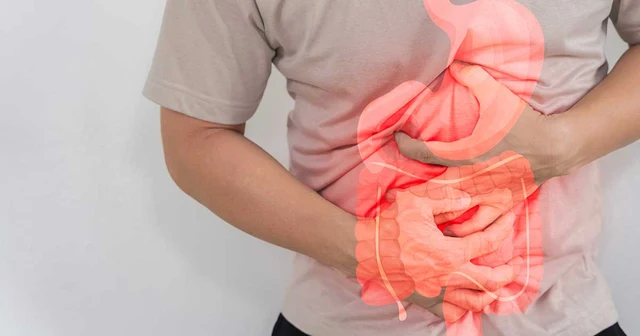
Kidney stones pain is typically felt in the flank — the lower back on the side where the kidney is located. When a stone moves into the ureter, the pain becomes severe and colicky, occurring in waves. Bladder stones cause discomfort lower in the abdomen, particularly during urination.
Diagnosis
If urinary stones are suspected, a doctor will assess through urinalysis to detect red blood cells, blood tests, X-ray, ultrasound, and contrast-enhanced kidney imaging where necessary.
Treatment options
Small stones may pass naturally on their own during urination.
Larger stones that cannot pass may require:
Extracorporeal Shock Wave Lithotripsy (ESWL) — a non-surgical procedure using high-frequency sound waves directed at the stone from outside the body, breaking it into smaller fragments that can pass through urine without surgery.
Surgical removal — for stones that are too large to pass or break down by other means.
For bladder stones that have grown too large over time, surgical removal is required.
How to avoid urinary tract stones
- Drink sufficient water daily to keep urine dilute
- Reduce intake of oxalate-rich foods if prone to calcium oxalate stones
- Avoid high-dose vitamin C supplements
- Maintain a balanced diet with adequate phosphorus and protein
- Seek treatment for underlying conditions such as gout
- Attend regular follow-up check-ups if you have had stones before, as recurrence is common in Thailand