


Bangkok Hospital
Caret Right
Search
CTA Curve
Find doctors icon
Find doctors
Appointments icon
Appointments
Contact icon
Contact
Call undefined
Menu
  • Select Hospital

  • Language & Currency

Doctor not found
Doctor not found
Doctor not found
Doctor not found
Bangkok Hospital
Contact us
View on Google Maps
    Privacy Policy

    |

    Cookie Policy

    Copyright © 2026 Bangkok Hospital. All right reserved


    Network Hospitals Directory
    MEMBER OFBDMS logo

    When Your Baby Moves Less Than Usual

    1 minute(s) read
    Information by
    Bangkok Hospital Pattaya
    Updated on: 25 Jun 2026
    Recommended Packages
    HPV Vaccination 9 strains (Adult)
    HPV Vaccination 9 strains (Adult)
    HPV 16/18, Other highrisk Genotyping,Pap smear, Ultrasound Gynae
    HPV 16/18, Other highrisk Genotyping,Pap smear, Ultrasound Gynae
    HPV 16/18, Other high-risk Genotyping and Pap Smear (Thin-prep)
    HPV 16/18, Other high-risk Genotyping and Pap Smear (Thin-prep)
    When Your Baby Moves Less Than Usual
    Bangkok Hospital Pattaya
    Updated on: 25 Jun 2026

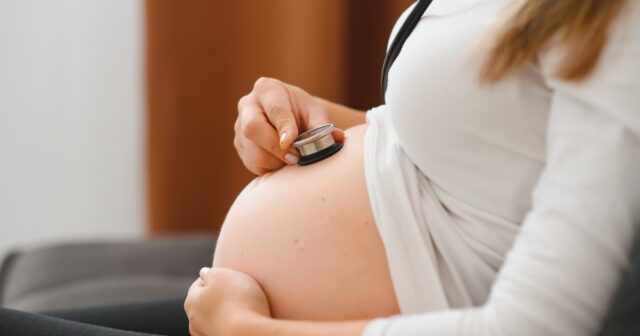
    Fetal movement is one of the most reassuring signs that your baby is healthy and developing well. Here is what every expectant mother should know.

    When does fetal movement begin?

    A baby’s muscular system begins developing at 6 weeks, and the arms and legs start moving shortly after – though these early movements are too small to feel. Mothers typically begin to feel movement during the middle of the second trimester:

    • 18 weeks (4.5 months) – first-time mothers may begin to notice movement
    • 20 weeks (5 months) – movement is more commonly felt by first-time mothers
    • Women who have been pregnant before often recognize the sensation earlier

    Why does fetal movement matter?

    Movement requires muscles, and muscles require oxygen and nutrients delivered through the placenta. Fetal movement is therefore a direct indicator of the baby’s wellbeing. A healthy baby typically moves at least 10 times per day.

    When oxygen or nutrient supply to the baby is reduced – for any reason – movement decreases. This is the body’s way of conserving energy.

    What can cause reduced fetal movement?

    Placenta-related causes:

    • Placental insufficiency (reduced placental function)
    • Umbilical cord entanglement
    • Bleeding behind the placenta

    Maternal health conditions:

    • Diabetes
    • Heart disease
    • Asthma
    • Nutritional deficiency
    • Preeclampsia (pregnancy-induced hypertension)

    What should you do if your baby is moving less than usual?

    If you notice your baby is moving less than normal, or if you have any concern about your baby’s movement patterns, do not wait. Contact your obstetrician promptly for assessment.

    For more information, please contact

    Women's Health Center

    B building, 2nd floor

    Monday - Sunday 8:00 am - 8:00 pm*
    * If you see the doctor after 7:00 pm, an appointment may be needed for some procedures

    +66 3825 9986

    [email protected]

    Consult a Specialist Doctor

    See all doctors

    Packages & Promotions

    HPV Vaccination 9 strains (Adult)HPV Vaccination 9 strains (Adult)
    HPV Vaccination 9 strains (Adult)

    18,500 Baht

    27,008 Baht

    Detail
    HPV 16/18, Other highrisk Genotyping,Pap smear, Ultrasound GynaeHPV 16/18, Other highrisk Genotyping,Pap smear, Ultrasound Gynae
    HPV 16/18, Other highrisk Genotyping,Pap smear, Ultrasound Gynae

    5,500 Baht

    7,261 Baht

    Detail
    HPV 16/18, Other high-risk Genotyping and Pap Smear (Thin-prep) HPV 16/18, Other high-risk Genotyping and Pap Smear (Thin-prep)
    HPV 16/18, Other high-risk Genotyping and Pap Smear (Thin-prep)

    3,300 Baht

    4,422 Baht

    Detail
    More packages

    Health Info

    More health info

    Health Info

    What Is Uterine Rupture? Image
    What Is Uterine Rupture?
    What Do You Need To Bathe A Baby? Image
    What Do You Need To Bathe A Baby?
    Embracing Your 40s with Confidence Image
    Embracing Your 40s with Confidence
    More health info