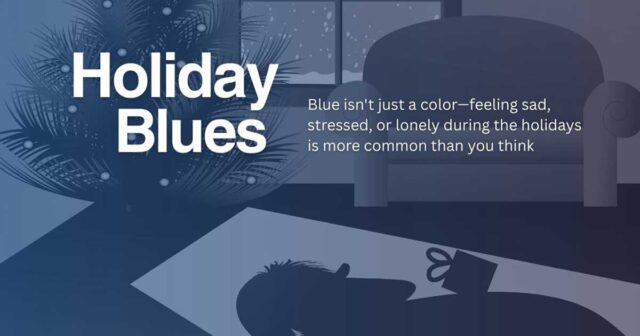



Depression is more than just sadness. It is a serious mood disorder that can develop gradually — from mild feelings of low mood to deep despair, hopelessness, and in severe cases, suicidal thoughts. Understanding the signs and causes can make a life-saving difference.
What are the symptoms of depression?
Depression affects both the mind and body. Common symptoms include:
- Persistent sadness, low mood, or emotional numbness
- Loss of interest in activities once enjoyed
- Loss of appetite and unexplained weight loss
- Insomnia or disturbed sleep
- Fatigue, low energy, and difficulty concentrating
- Memory problems and reduced self-confidence
- Social withdrawal and isolation
- Negative thinking and feelings of worthlessness
- In severe cases: hallucinations, delusions, or suicidal thoughts
What causes depression?
Depression is not a sign of weakness. Research spanning over 20 years confirms it has real biological, psychological, and social causes:
- Brain chemistry imbalances — particularly involving serotonin, norepinephrine, and dopamine
- Life events — loss of a loved one, relationship breakdown, financial stress, loneliness, or major life changes
- Genetics — a family history of depression increases risk, though it does not guarantee the condition will develop
- Upbringing and mindset — low self-esteem, a negative worldview, or a tendency toward anxiety can increase vulnerability
- Chronic illness or ongoing stress — can trigger or worsen depressive episodes
What are the different types of depression?
- Adjustment disorder with depressed mood — triggered by a specific life change such as moving, job loss, or retirement. Usually mild and improves over time with support.
- Unipolar depression — persistent depressive episodes without manic phases.
- Bipolar disorder (mood disorder) — episodes of depression alternating with periods of mania, characterized by elevated mood, rapid speech, impulsive spending, and overconfidence.
- Depression with anxiety — a common combination where persistent worry, restlessness, and physical symptoms such as a racing heart or shortness of breath accompany low mood.
What is the link between depression and suicide?
Suicide is a serious risk associated with depression. Key risk factors include:
- Severe depression causing feelings of worthlessness and unbearable emotional pain
- Psychotic symptoms such as hallucinations or command voices
- Substance abuse reducing impulse control
- Personality disorders making emotional regulation difficult
If someone you love is showing signs of depression — do not wait. Seek professional help before it is too late.
Is depression treatable?
Yes — and very effectively. A combination of medication and psychotherapy helps the majority of patients recover fully. After recovery, doctors typically recommend continuing medication for 6–12 months to prevent relapse. Never stop medication without consulting your doctor, as doing so significantly increases the risk of recurrence.
When should I seek help?
If you or someone you care about is experiencing symptoms of depression — especially feelings of hopelessness or thoughts of self-harm — please reach out immediately.
For more information, contact the Mental Health Center or call 0 3825 9999
Source: Bangkok Health Research Center