



What is Burnout Syndrome?
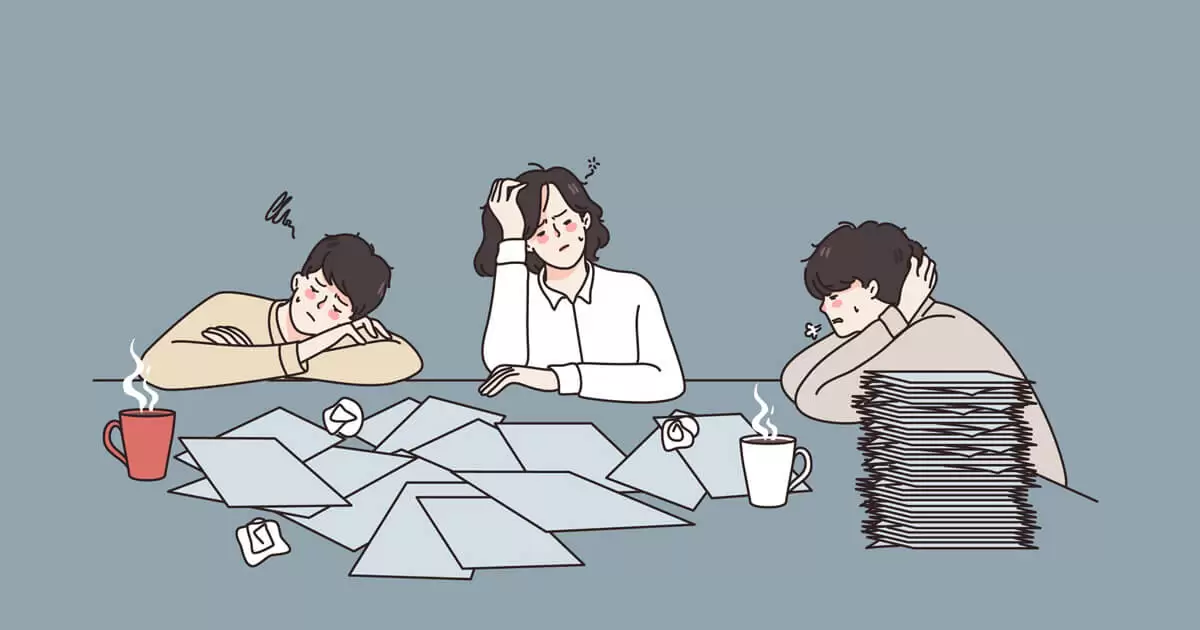
Burnout is a psychological condition caused by chronic work-related stress. The main symptoms include:
- Feeling drained of energy or constantly exhausted
- Developing a negative attitude toward work and losing the motivation to succeed
- Feeling detached from colleagues or clients, and disconnected from the workplace
Who is at Risk?
You may be at risk of burnout if your work involves:
- Heavy workloads, complex tasks, and constant time pressure
- Lack of decision-making power and difficulty prioritizing tasks
- Insufficient recognition or reward for your efforts
- Feeling invisible or excluded from the team
- Unfair treatment, lack of trust, or poor communication
- A workplace culture that conflicts with your personal values and goals
What Happens if Burnout Goes Unaddressed?
- Physically: Chronic fatigue, body aches, and frequent headaches
- Mentally: Loss of motivation, hopelessness, depression, insomnia, and in severe cases, chronic sleep disorders or nightmares
- Professionally: Frequent absences, reduced performance, and eventually considering resignation
5 Strategies to Fight Burnout
1. Self-Assessment Ask yourself:
- Am I experiencing severe stress, fatigue, or insomnia due to work?
- Do I dread going to work every day?
- Do I worry about work even during my free time at home?
- Have I developed a strongly negative or cynical attitude toward my job or colleagues?
- Do I struggle to complete tasks that used to be easy?
- Am I experiencing more physical symptoms like frequent headaches?
If you answered yes to even 1 out of 6, you may be showing early signs of burnout. If 2 or more, you are likely heading toward burnout — but don’t worry, there is a way out.
2. Sleep More Lack of sleep is a major predictor of burnout. Better sleep is one of the most important steps your body can take to recover and return to peak performance.
3. Exercise Regularly Cardiovascular exercise has been shown in studies to significantly reduce burnout symptoms in as little as 4 weeks.
4. Meditate Mindfulness meditation is a well-proven technique that helps you cope with challenges in any situation. Mindfulness programs are now widely accessible and easy to practice.
5. Practice Breathwork Conscious breathing — a form of meditation — involves focusing your attention on each inhale and exhale. Try breathing in for a count of 1–8, then slowly exhaling through your mouth for a count of 1–8, using your diaphragm or abdominal muscles.
Burnout is not the same as depression. However, if you begin to feel persistently sad, lose interest in things around you, feel that life is unbearable, or have thoughts of not wanting to live — this may be a sign of depression. Please consult a doctor or mental health professional.