

What causes childhood obesity?
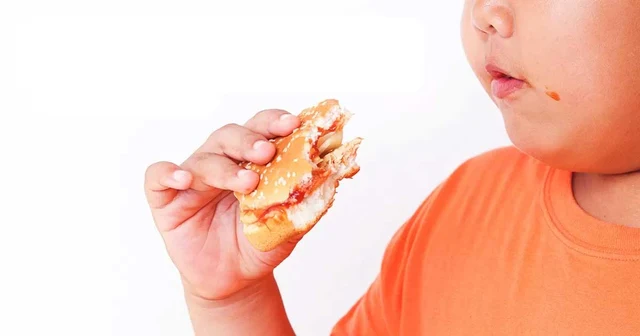
- Excessive consumption of high – calorie foods, particularly carbohydrates, fats, and sugar
- Modern sedentary lifestyles – online learning, gaming, and social media use reduce physical movement and exercise
- Genetic predisposition
Why is childhood obesity dangerous?
- Risk of early puberty, which affects normal growth and development
- Increased risk of chronic non – communicable diseases (NCDs) such as heart disease, high blood pressure, high cholesterol, diabetes, and fatty liver disease
- Breathing problems or sleep apnea
- Higher risk of bone and joint conditions – leg pain, joint degeneration, and easy fatigue
- Long-term risk of certain cancers
- Loss of self – confidence, bullying by peers, and risk of depression
- Skin issues – excessive sweating, moisture buildup, and susceptibility to fungal infections
How can you tell if your child is becoming obese?
- Visually, they appear noticeably larger and heavier than classmates
- Dark, thickened skin around the armpits, neck, or groin – a potential sign of pre-diabetes or diabetes
- Weight-for-height ratio at or above the 90th percentile (P90) indicates obesity
How to manage your child’s weight?
- Avoid high – calorie foods such as fried foods, packaged snacks, and baked goods
- Encourage more physical activity and sports
- Most importantly, the whole family should be involved – in monitoring both diet and daily activity together
When to see a doctor
If weight loss is not achievable through lifestyle changes, or if dark thickened patches appear around the neck, armpits, or groin, consult a doctor for a full assessment, blood tests, and appropriate treatment.