
Colorectal cancer is one of the most common cancers – and one of the most treatable when caught early. The problem is that colon cancer symptoms are easy to dismiss or attribute to less serious conditions. Knowing what to watch for, and when to start colon cancer screening, can make all the difference.
Colon Cancer Symptoms
-
Blood in the stool or an abnormal FIT Test result
Blood in the stool – whether bright red or dark – is the most frequently reported colon cancer symptom. While it can also be caused by hemorrhoids, recurring episodes should never be dismissed without further investigation. An abnormal FIT Test result is equally important to follow up on, even if you feel well. A colonoscopy is the recommended next step in both cases.
-
Persistent changes in bowel habits
Changes in bowel habits are among the most telling colon cancer symptoms. These include chronic constipation alternating with frequent diarrhea, stools that are narrower than usual, or a persistent feeling of incomplete emptying after a bowel movement. These changes may indicate that a tumor is partially obstructing the passage of stool. When they last more than a few days or keep recurring, they warrant medical evaluation.
-
Persistent abdominal pain
Unexplained abdominal pain – particularly in the lower left abdomen or center of the abdomen – that continues over several days or occurs alongside other colon cancer symptoms should be assessed by a doctor. Occasional stomach discomfort is common, but pain that does not resolve on its own is not.
-
Frequent bloating, gas, or vomiting
Daily bloating even when you have not eaten much, or recurring nausea and vomiting without a clear cause, may indicate an abnormality in the digestive tract. While these symptoms have many possible explanations, when they become a regular pattern they should be discussed with a doctor – particularly alongside other colon cancer symptoms.
-
Unexplained weight loss
Losing weight continuously without changing your diet or exercise routine is one of the colon cancer symptoms that people most commonly overlook. It can be a sign that the body is dealing with a chronic illness or cancer. If the weight loss is significant and unexplained, it warrants prompt investigation.
-
Fatigue, paleness, dizziness, or fainting
Chronic tiredness, shortness of breath, dizziness, or feeling faint may indicate anemia – a condition that can result from slow, ongoing blood loss in the intestines. These colon cancer symptoms are easy to attribute to stress or overwork, but when persistent, they should not be ignored.
Colon Cancer Screening: Starting Earlier Than You Think
Colon cancer screening is recommended even when you have no symptoms at all. Many cases of colorectal cancer develop silently – and colon cancer screening is the most reliable way to detect it before it becomes advanced.
Who should start colon cancer screening?
- Adults aged 45 and over, even without symptoms
- Those with a family history of colorectal cancer or polyps – screening may be recommended earlier, often from age 40 or younger depending on family history
- Those with a personal history of inflammatory bowel disease or previous polyps
Colon cancer screening options:
FIT Test (Fecal Immunochemical Test)
a non-invasive stool test that detects traces of blood not visible to the naked eye. An abnormal FIT Test result should always be followed up with a colonoscopy. It is a convenient first-line colon cancer screening option that can be done at home.
Colonoscopy
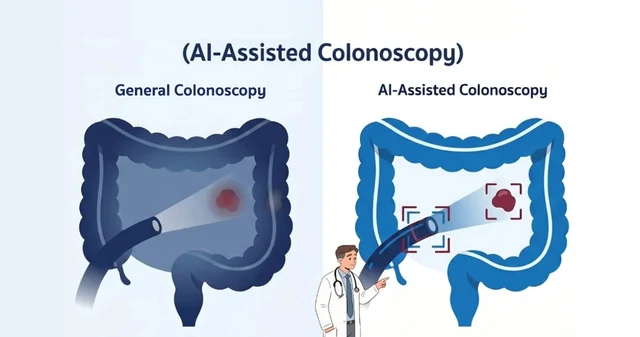
the gold standard for colon cancer screening, providing a direct view of the entire colon lining. It allows the doctor to detect and remove polyps during the same procedure — before they have the chance to develop into cancer. For average-risk individuals with normal results, colon cancer screening via colonoscopy is typically repeated every 10 years.
Colorectal cancer is common — and treatable when found early
If you experience any colon cancer symptoms — blood in the stool, abdominal pain, bloating, unexplained weight loss, changes in bowel habits, or a positive FIT Test result — do not wait. See a doctor promptly to identify the cause and, if necessary, begin treatment as early as possible. Early colon cancer screening saves lives.
For appointments or consultations, please contact Bangkok Hospital Pattaya’s Gastrointestinal and Liver Center through any of our available channels. Tel. 0 3825 9999