.png)
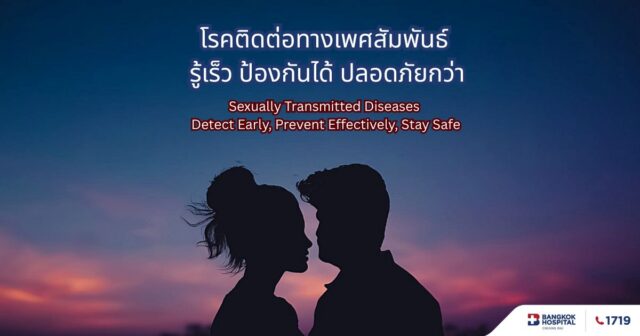
Sexually Transmitted Diseases (STDs) are infections that are primarily transmitted through sexual contact — including vaginal, anal, and oral sex. Some STDs can also spread through contact with blood or bodily fluids, and from mother to child during pregnancy or childbirth.
Understanding STDs is essential for prevention, early detection, and proper treatment.
Common Sexually Transmitted Diseases
1. Gonorrhea
Caused by the bacterium Neisseria gonorrhoeae.
Symptoms may include painful urination and pus-like discharge from the genitals.
2. Chlamydia
Caused by Chlamydia trachomatis.
Common among adolescents and young adults. Symptoms are similar to gonorrhea, but many individuals may have no symptoms at all.
3. Syphilis
Caused by Treponema pallidum.
Often begins with a painless sore (chancre) and swollen lymph nodes. If untreated, it can progress and affect multiple organs.
4. Genital Herpes
Caused by the Herpes Simplex Virus (HSV).
Characterized by painful blisters or sores around the genital area. The infection may recur.
5. Genital Warts
Caused by certain types of Human Papillomavirus (HPV).
Appears as small growths or warts around the genital area. Some HPV strains are associated with cervical cancer.
6. Hepatitis B and C
Transmitted through sexual contact and blood exposure.
These viruses can cause chronic liver infection, cirrhosis, and liver cancer.
7. Human Immunodeficiency Virus (HIV)
HIV attacks the immune system.
Without treatment, it can progress to Acquired Immunodeficiency Syndrome (AIDS).
Symptoms to Watch For
-
Abnormal vaginal discharge, unusual odor, or change in color
-
Burning sensation during urination
-
Unusual discharge or pus from the genitals
-
Sores or blisters around the genitals, mouth, or anus
-
Itching, swelling, or redness in the genital area
-
Fever-like symptoms, fatigue, weight loss, or skin rashes
⚠️ Important: Some individuals may have no symptoms but can still transmit the infection to others.
Risk Factors
-
Having multiple sexual partners
-
Not knowing your partner’s sexual health status
-
Not using condoms
-
Unprotected vaginal, anal, or oral sex
-
Sharing needles or sharp objects
-
Mother-to-child transmission during pregnancy or delivery
Prevention
-
Use condoms consistently and correctly during sexual activity
-
Limit the number of sexual partners
-
Choose partners who have been tested
-
Avoid sharing needles or sharp instruments
-
Get vaccinated when available (e.g., HPV vaccine and Hepatitis B vaccine)
-
Undergo regular sexual health screenings, especially if at risk
What Should You Do If You Are Concerned?
If you experience symptoms or have had unprotected sexual contact, consult a healthcare professional promptly for testing and diagnosis. Many STDs are treatable — especially when detected early.
Early diagnosis reduces complications and prevents further transmission.
Take Charge of Your Sexual Health
Sexually transmitted diseases are preventable. Practicing safe sex, getting vaccinated, and undergoing regular health screenings are effective ways to protect yourself and your partner.
If you are at risk or have concerns, do not wait for symptoms to become severe. Seek medical advice early to receive appropriate care and treatment.
Your health is your responsibility — protect it.