.png)
Low-Dose CT Chest Screening in Areas with High PM2.5 Levels
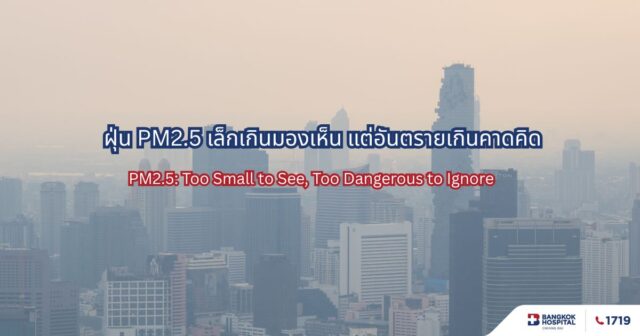
In many areas of Thailand, particularly in the northern region, people often experience high levels of PM2.5 air pollution during certain periods of the year. Long-term exposure to fine particulate matter may affect the respiratory system and increase the risk of lung diseases, including lung cancer.
Low-Dose CT Chest screening is a lung screening method that can detect abnormalities at an early stage, even in individuals who do not yet have symptoms.
This article explains what this test is, who should consider it, and how it may benefit people living in areas with high air pollution levels.
How PM2.5 Affects the Lungs
PM2.5 refers to extremely fine particulate matter that can penetrate deep into the respiratory tract and reach the alveoli (air sacs) in the lungs. Some particles may even enter the bloodstream.
Long-term exposure to PM2.5 has been associated with an increased risk of several health conditions, including:
- Chronic lung inflammation
- Bronchitis
- Emphysema
- Cardiovascular diseases
- Lung cancer
In many cases, early-stage lung disease may not present obvious symptoms, which makes screening examinations particularly important.
What is Low-Dose CT Chest?
Low-Dose CT Chest is a computed tomography scan of the lungs that uses a lower radiation dose than standard CT scans. It is specifically designed for lung disease screening, particularly for the early detection of lung cancer.
Compared with a conventional chest X-ray, Low-Dose CT provides much clearer and more detailed images of lung tissue.
It can help detect:
- Small lung nodules
- Abnormalities in lung tissue
- Early-stage lesions
How the Examination is Performed
The procedure is simple and takes only a short time.
- The patient lies on the CT scanner table.
- The patient holds their breath for a few seconds during the scan.
- The examination takes approximately 5–10 minutes.
- No contrast injection is required, and no fasting is necessary.
After the scan, a radiologist will interpret the images and evaluate any abnormalities in the lungs.
Who Should Consider This Screening?
Low-Dose CT Chest screening may be appropriate for individuals who are at increased risk of lung disease, such as:
- People aged 40 years or older
- Current or former smokers
- Individuals living in areas with consistently high PM2.5 levels
- People exposed to smoke, dust, or chemicals in their workplace
- Individuals with a family history of lung cancer
- Those experiencing symptoms such as
- chronic cough
- shortness of breath
- coughing up blood
Screening increases the chances of detecting disease at an early stage, when treatment outcomes are generally more favorable.
Advantages of Low-Dose CT Chest Screening
- Detects lung abnormalities at an early stage
- Uses a lower radiation dose
- No contrast injection required
- Quick examination time
- Improves the chances of successful treatment if disease is detected early
Reducing Exposure to Air Pollution Remains Important
Although screening tests are beneficial, reducing exposure to air pollution is still the most important preventive measure.
Recommendations for protecting lung health include:
- Wearing N95 or dust-filter masks when air pollution levels are high
- Avoiding outdoor activities during periods of high pollution
- Using air purifiers at home
- Exercising in areas with clean air
- Undergoing regular lung health check-ups when appropriate
Summary
For individuals living in areas with frequent high PM2.5 levels, Low-Dose CT Chest screening is another option for detecting lung disease, particularly early-stage lung cancer.
This examination may help identify abnormalities earlier and improve the chances of effective treatment.
Maintaining lung health should involve both reducing exposure to air pollution and undergoing appropriate health screenings regularly.