.png)
As people age, their bones and joints gradually lose strength. Bone mineral density decreases, while joint flexibility and function may decline, increasing the risk of osteoporosis, fractures, and osteoarthritis. Appropriate nutrition therefore plays an important role in slowing age-related deterioration and maintaining the strength of the bones and joints.
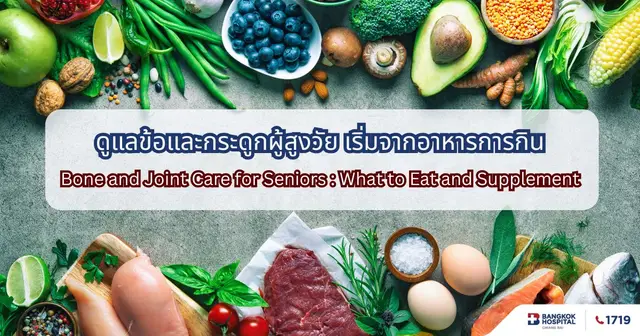
Foods that support bone health include calcium-rich sources such as milk and low-fat dairy products, small fish that can be eaten with their bones, tofu, sesame seeds, and dark green leafy vegetables such as kale and broccoli. Calcium should be consumed together with vitamin D, which helps improve calcium absorption. Vitamin D can be obtained from salmon, tuna, egg yolks, liver, and gentle exposure to morning sunlight.
Vitamin K, particularly vitamin K2, also supports bone health by activating osteocalcin, a protein that helps incorporate calcium into the bones effectively. Vitamin K is found in green leafy vegetables, while vitamin K2 is especially abundant in fermented foods such as natto.
For joint health, foods rich in omega-3 fatty acids, such as salmon, sardines, and flaxseeds, may help reduce joint inflammation. Collagen or gelatin from bone broth or certain supplements may also support cartilage health. In addition, vitamin C from citrus fruits, guava, and berries plays an important role in collagen production for the bones and joints.
Recommended Intake and Supplementation
Calcium
Older adults should receive approximately 1,000–1,200 mg of calcium per day, preferably from food. When dietary intake is insufficient, calcium supplements may be considered.
Calcium carbonate is best absorbed when taken with food, while calcium citrate may be more suitable for people with low stomach acid. Calcium supplements should generally be divided into doses of no more than 500 mg at a time to improve absorption.
Vitamin D
Older adults should generally receive approximately 800–1,000 IU of vitamin D per day. Vitamin D can be obtained from food, gentle morning sunlight, and supplements.
Vitamin D3, or cholecalciferol, is often recommended because it is generally more effective at raising vitamin D levels. People with severe vitamin D deficiency should consult a doctor for an appropriate dosage.
Vitamin K
The general recommended daily intake of vitamin K for adults is approximately 90 micrograms for women and 120 micrograms for men. It should preferably be obtained from foods such as broccoli, spinach, and kale.
Vitamin K supplements may be considered when dietary intake is insufficient. However, people taking anticoagulant medication, particularly warfarin, should consult a doctor before changing their vitamin K intake or taking supplements.
A balanced intake of these nutrients, together with regular physical activity such as brisk walking, tai chi, or light resistance training, can help older adults maintain bone and joint strength, reduce the risk of fractures and joint pain, and preserve a good quality of life