



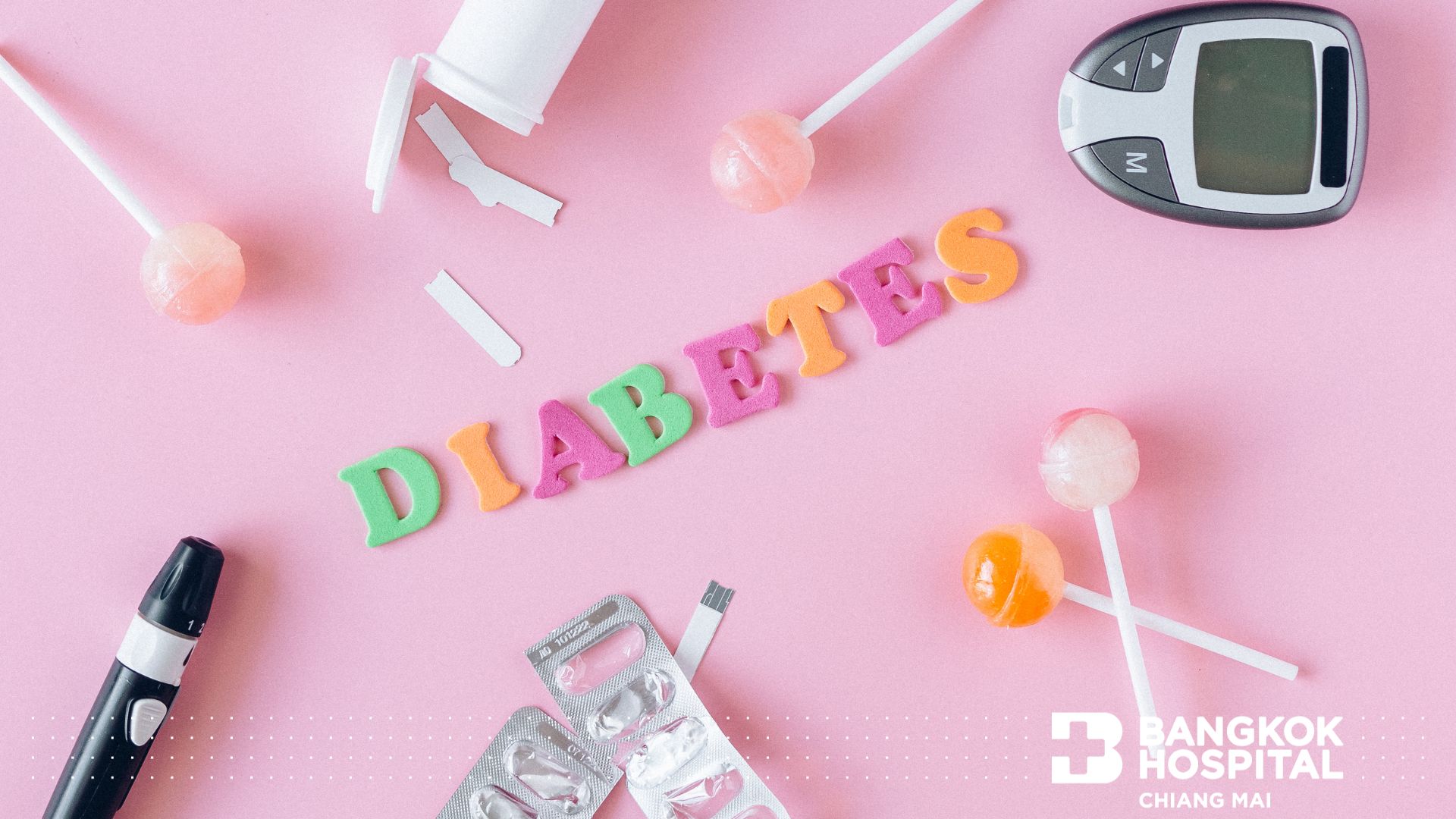
Type 2 diabetes is a chronic disease referred to as insulin-independent diabetes. It is caused by insulin resistance combined with a decrease in insulin hormone secretion from the pancreas. It is a medication that helps increase the production of the GLP-1 hormone, which aids in lowering blood sugar levels and increasing insulin sensitivity.
One of the medications gaining attention is the GLP-1 (Glucagon-like peptide 1) receptor agonists or GLP-1 analogs. These medications mimic the naturally secreted hormones from the small intestine, with the effect of controlling blood sugar levels by stimulating insulin secretion from the pancreas, reducing sugar production by the liver, slowing stomach contractions, prolonging the time food remains in the stomach, and reducing appetite. Studies have also shown that this group of medications helps lower the risk of cardiovascular and cerebrovascular disease, reduces diabetic nephropathy, lowers lipid levels, reduces blood pressure, and helps with weight loss1,2,3.
Use of GLP-1 receptor agonists
Initially, these medications were available only as injections into the subcutaneous tissue, but now oral medications are being developed2. Each medication has different properties, including the duration of action affecting the frequency of injections, effects on body weight, blood sugar levels, and some medications are combined with insulin to enhance blood sugar level reduction effectiveness, as shown in the comparison table.
| Medication | Lixisenatide + Insulin glargine | Liraglutide + Insulin degludec | Liraglutide | Dulaglutide | Semaglutide | |
| Trade Name | Soliqua® | Xultophy® | Victoza®/ Saxenda® | Trulicity® | Ozempic® | Rybelsus® |
| Administration | Subcutaneous injection | Subcutaneous injection | Subcutaneous injection | Subcutaneous injection | Subcutaneous injection |
Oral |
| Frequency of Use | * | ** | ***** | ** | *** | |
| Effectiveness in Reducing Blood Sugar* | ** | *** | ** | ** | ** | |
| Side Effects | Nausea, vomiting, loss of appetite, diarrhea, acid reflux Low blood sugar, especially when combined with insulin or drugs that stimulate insulin secretion |
|||||
Information from medication guide
Common side effects often involve the digestive system, and there may be an increased heart rate, and a risk of hypoglycemia when used with other insulin-secreting stimulating medications1,2,3. Users must be under close medical supervision, especially at the beginning of use where dosage needs gradual adjustment to tolerate the medication’s side effects.
Currently, the use of these medications is becoming more widespread beyond indications in diabetes treatment such as weight loss and appetite control. However, for optimal results, diet control, and exercise should be combined with the medication use. If you are interested or have questions about using GLP-1 receptor agonists, you can consult with a doctor or pharmacist at Bangkok Hospital Chiang Mai.
Best regards,
Dr. Phromphorn Phruksakor
Endocrinology and Metabolism Specialist
Internal Medicine Department | Bangkok Hospital Chiang Mai
Tel. 052 089 888 or Call Center 1719
Related Articles
References
- Pharmacist Worapoj Boonmathong
- Diabetes Association of Thailand. Clinical practice guidelines for diabetes 2017.
- Nauck MA, Meier JJ. MANAGEMENT OF ENDOCRINE DISEASE: Are all GLP-1 agonists equal in the treatment of type 2 diabetes?. Eur J Endocrinol. 2019;181(6):R211-R234.
- Cornell S. A review of GLP-1 receptor agonists in type 2 diabetes: A focus on the mechanism of action of once-weekly agents. J Clin Pharm Ther. 2020;45 Suppl 1(Suppl 1):17-27.