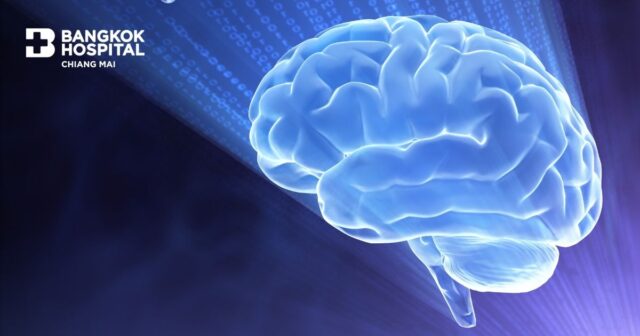

Good news! For depression patients in Thailand Let’s update on the trends and new innovations in depression treatment that are popular in the Western world, which is Transcranial Magnetic Stimulation (TMS). This method treats brain and nervous system-related diseases, restores and adjusts brain function, and is a new form of treatment that is convenient and fast. It can be done on an outpatient basis (OPD) and is currently being introduced in leading hospitals in Thailand.
We know that innovations in treating brain and nervous system diseases have progressed significantly. In the United States, TMS treatment for brain and neurological diseases has brought satisfaction to patients because it is not complicated, as there is no need to use medical tools inside the body, like surgeries or implanting wires, and there’s no need for anesthesia. It is highly safe, and the brain and body organs are almost unaffected, or if affected, only slightly. After treatment, patients can return home immediately.
Using magnetic waves to stimulate the diseased brain area or performing Transcranial Magnetic Stimulation (TMS) creates a high-strength magnetic field, using magnetic waves from the magnetic field for diagnosis and treatment of brain and nervous system diseases. Apart from treating depression, it can also be used for patients with seizures and paralysis caused by the brain not receiving enough blood supply, leading to disrupted brain function and body weakness on one side or both. This condition requires living without moving the body, leading to various problems like speaking difficulties, swallowing issues, etc., and symptoms affecting mental conditions that need care and treatment to restore muscles for reuse. It can also treat migraines, obsessive-compulsive disorder, stroke, epilepsy, Parkinson’s disease, and other pain related to the nervous system.
Why do doctors recommend TMS to patients?
Patients eligible for TMS treatment have the following symptoms:
- Treating the main symptoms of the following patients:
- Patients with depression that no longer responds to antidepressants (Resistant Stimulation)
- Patients with migraines that have aura symptoms (Migraine with aura)
- Patients with obsessive-compulsive disorder (Obsessive Compulsive Disorder)
- Treatment for other patient types:
- Patients with nervous system diseases
– Brain and spinal cord injuries (Damaged Brain on Spinal Cord)
– Accidents and brain injuries (Traumatic brain injury)
– Post-stroke hemiparesis (Post Stroke Hemiparesis)
– Children with cerebral palsy (Cerebral palsy) such as ataxia (Ataxia), abnormal speech (Aphasia), stuttering (Stuttering), and swallowing difficulties (Dysphagia)
– Epilepsy
– Abnormal body movement similar to Parkinson’s (Parkinsonism)
– Chronic muscle pain (Fibromyalgia) and chronic pain (Chronic Pain)
– Pain caused by nerve endings (Neuropathic Pain)
- Psychiatric patients with various symptoms, such as:
– Schizophrenia, such as anxiety disorder, auditory hallucinations, or suicidal ideas
– Tobacco and drug addiction
– Patients with abnormal eating behavior (Eating Disorder)
– Autism and attention deficit patients
What preparations are needed for TMS treatment?
- The doctor will start the treatment by assessing the position to stimulate the patient’s brain.
- Check to find the appropriate electrical wave power for treatment (Motor Threshold).
- Once the steps in items 1 and 2 are complete, the stimulation device will be positioned. The stimulation will be rhythmic, with a clicking sound, and the skin area under the device will feel a light touch without pain.
- Treatment takes about 30 – 60 minutes, requiring continuous treatment. The number of sessions will depend on the disease being treated.
Precautions for patients undergoing TMS treatment
- Should not have injuries or wounds in the stimulation area
- No prior history of seizures
- No history of easy bleeding
- Patient’s lack of cooperation
Contraindications for TMS treatment
- Should not have implanted devices such as Permanent Pacemaker, Defibrillators, Coclear implant, Deep brain stimulators, Ocular implants, Vagus nerve stimulators, Implanted medication pumps, Intracardiac lines
- Should not wear any metal materials on the head, such as Aneurysm clips or Stent, Metallic hair clips
Transcranial Magnetic Stimulation or TMS treatment is a modern medical science and technology widely accepted for effectively treating ailments. It is crucial to have continuous monitoring of treatment results to ensure positive outcomes, helping patients recover from the disease and return to normal, healthy living.
With best wishes from
Specialist in Neurology and Brain System
Center for Brain and Nerve System, Bangkok Hospital Chiang Mai