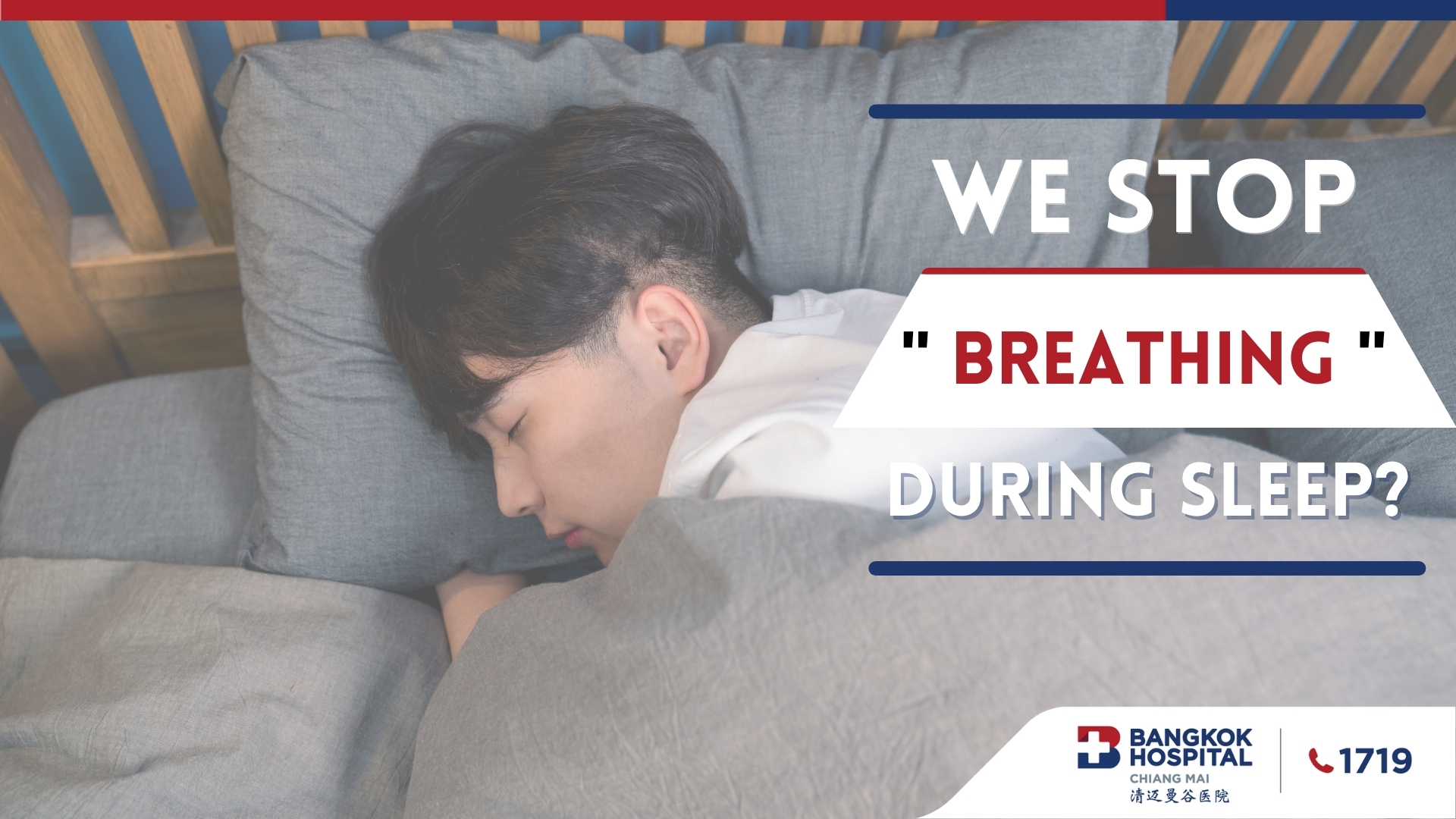
We all know that after we breathe in, we breathe out.
But how we make sure that each night we sleep in a deeper night, we still breathe regularly?
And if not… What is going to happen to us?
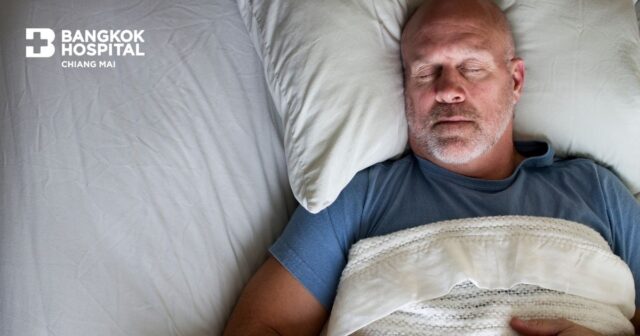
Most people do not notice abnormalities during their sleep until their spouse or close people found it, making “Obstructive Sleep Apnea” be a silent disease or causing further abnormalities/disorders until death.
The incidence of Obstructive Sleep Apnea is approximately 25% in men and 10% in women, especially those over 40 years of age; however, all age groups can experience the disease also. The incidence will increase with rising age. Moreover, another group that frequently faces this disease is overweight or has an anatomic organ that causes airway obstruction, such as floppy soft palate, enlarged tonsils, smaller jaws, etc.
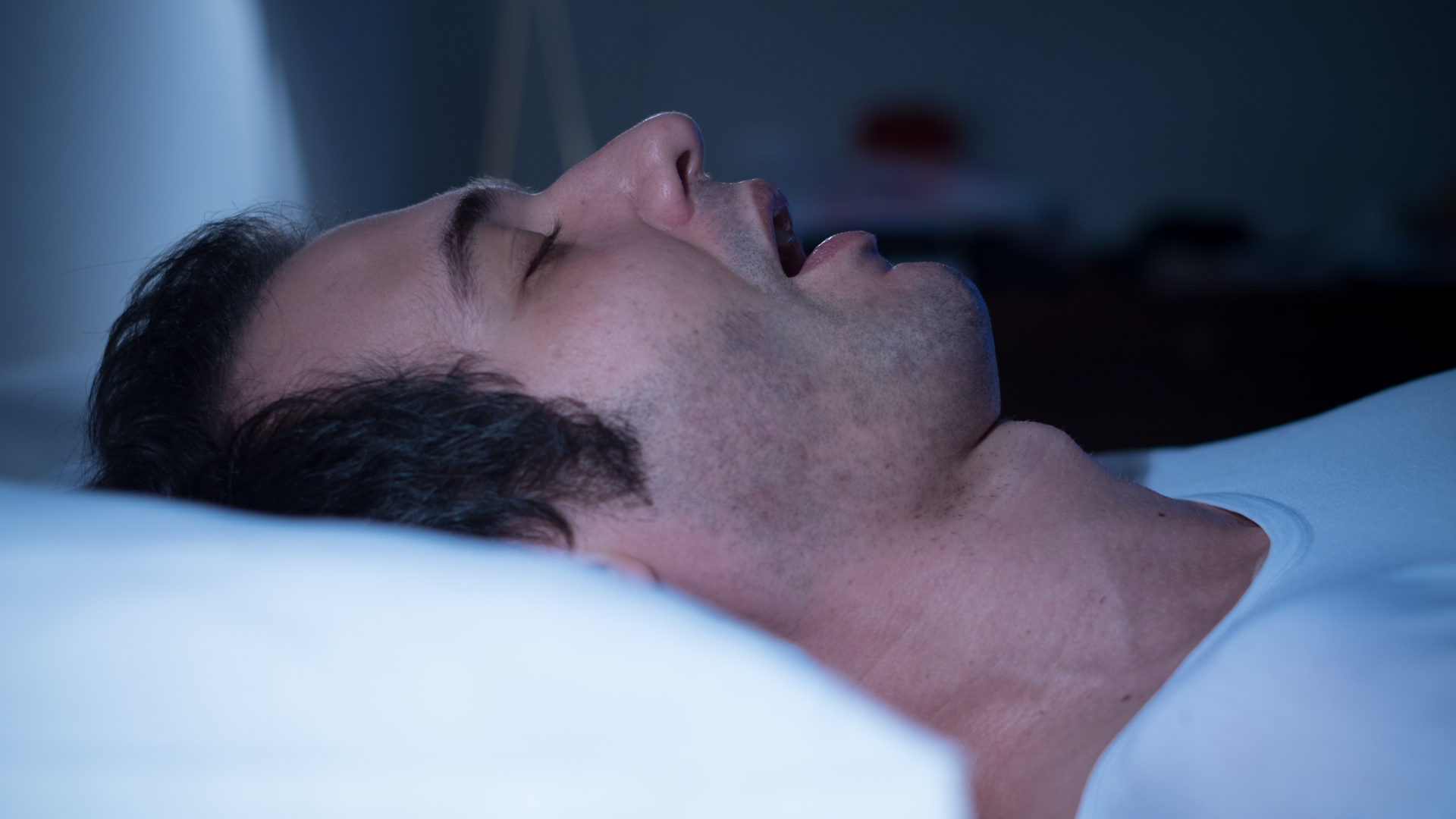
We can notice symptoms of “Obstructive Sleep Apnea” by ourselves (or we can ask our closed people to observe)
- Snoring
- Night Sweat
- Sleep deprivation
- Awakenings at night time because of choking
- Awakening with a dry mouth or sore throat
- Having a headache after awakening in the morning
- Mood changes, loss of concentration, forgetfulness, irritability
- Excessive daytime sleepiness or exhaustion
- Sexual dysfunction
Just stop breathing?
Is it harmful? What else will happen to us?
Of course, sleep apnea affects both physical and mental health. It makes excessive daytime sleepiness during the daytime, which leads to a lack of efficiency in studying and working.
Besides, people who have sleep problems have more chances to have an accident than those who do not face these symptoms. There is also a risk of hypertension, diabetes, stroke, Heart Attack, arrhythmia – an abnormality of the heart rhythm, and obesity.
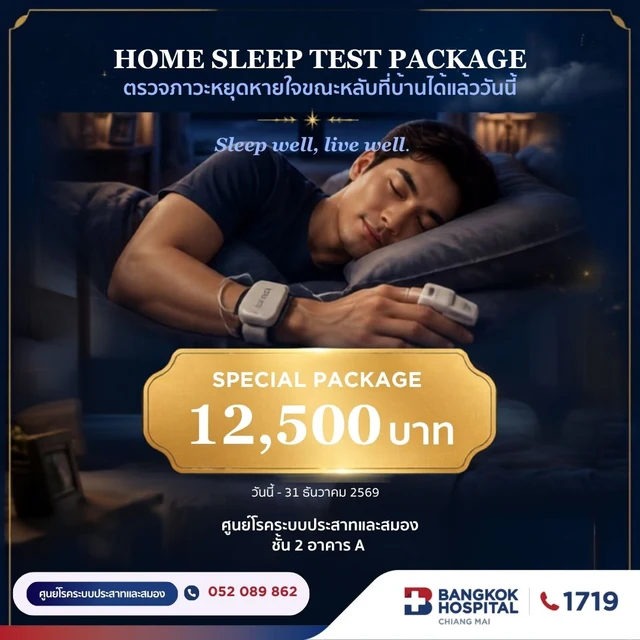
Easy to detect, just stay at the hospital for 1 night
If such symptoms occur with you, you can ask your spouse or those who observe to see a doctor specialized in sleep quality with you to get proper treatment. The treatment is a 1-night of sleep in a private bedroom at the sleep quality center. You will receive a data record of breathing and body function while sleeping, processed by a sleep inspector. After that, the doctor will diagnose your sleep disorders (Polysomnogram, PS) and accurately assess the severity of the sleep apnea for you.
Packing your belongings and Being Prepared
• Bring your favorite pajamas, pillows, bolster, blankets, or personal bedding.
• Wash your hair and refrain from using conditioner and any hair oil on the appointment date.
• Bring your medicines which you take in daily, except the doctor asks to abstain from some medicines.
• Avoid napping during the day on the appointment.
• Avoid drinking alcoholic or caffeine beverages (coffee, tea, and cola).
When Obstructive Sleep Apnea is found!
After the result has been shown, the doctor will choose the most appropriate treatment for you by analyzed from examination results, electroencephalogram (EEG), eye movement, muscle movement. Also, heartbeat, breathing pattern, and the amount of oxygen in the blood.
1.Self-adjusting risk behavior
– Weight Loss – the studies show that losing weight just 10% of weight can reduce apnea episodes.
– Avoid alcoholic-beverages and sleeping pills before going to bed as it causes the airways to be obstructed easily during sleep and makes the apnea longer.
– Try to sleep on your side position as it will help reduce the severity in some cases.
– Using nasal sprays or nasal decongestants in patients with obstructive airway problems due to sinus problems or a stuffy nose can help to breathe more conveniently while sleeping.
– Avoid sleep deprivation.
2.Continuous Positive Airway Pressure (CPAP) usage is the most effective treatment. You only wear a mask device covering your nose or mouth. Then, the machine will automatically adjust the pressure to be high enough to blow the air to the trachea. Also, it is to prevent narrow airway during sleeping.
3. Mandibular Advancement Devices (MAD) usage for patients with not severe sleep apnea.
4. Surgical treatment There are several kinds of surgery, but the doctor will consider depending on the severity and the organ that obstructs during sleeping.
After the treatment, most patients have better sleep quality leading to have a balanced quality of life.
Neurologist specialty in Sleep Medicine
Neuroscience Center of Excellence Bangkok Hospital Chiang Mai