



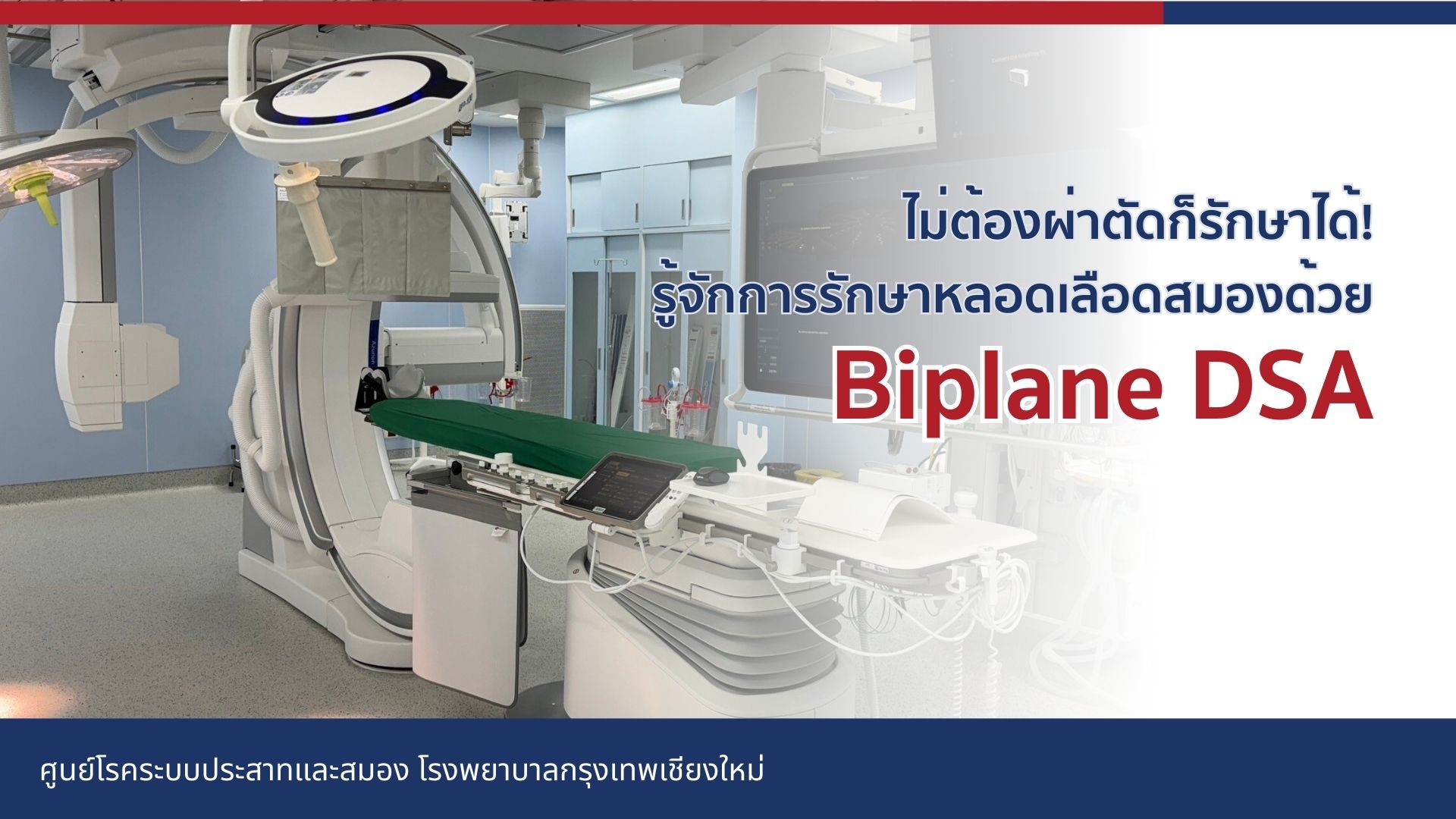
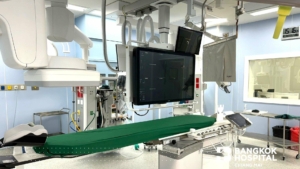
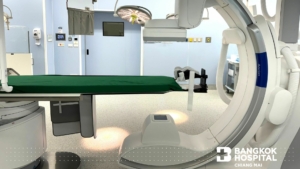
Biplane Digital Subtraction Angiography (Biplane DSA) Treats cerebral vascular diseases without surgery
Cerebrovascular disease is one of the leading causes of death and significant disabilities globally and continues to increase steadily. It is found that 1 in 4 of the population over the age of 25 has the chance of having a cerebrovascular disease. According to the public health statistics report by the Ministry of Public Health in 2023, Thailand found as many as 349,126 stroke patients, with 36,214 deaths. Most deceased individuals were under 70 years old. The danger of acute cerebrovascular disease is severe enough to cause patient death. Since treatment using thrombolytic drugs still has limitations for certain patients, treatment by inserting a catheter into the cerebral artery to remove the thrombus and reopen the blocked blood vessel, allowing blood to flow to nourish the brain again, is considered another lifeline for patients with blocked cerebrovascular disease. This helps reduce paralysis and increase survival chances. Mechanical Thrombectomy is the treatment of acute occlusal cerebral artery conditions using an X-ray machine. During the procedure, doctors insert a small catheter or tube into the cerebral artery and inject a contrast dye into the artery feeding the brain and surrounding neck area while taking X-ray images of the site, and use methods to remove the thrombus blocking the cerebral artery.
The procedure of removing the occluded artery in the brain through a catheter inserted into the artery to retrieve the thrombus (Mechanical Thrombectomy) has a success rate of 84% compared to treatment with thrombolytic drugs administered intravenously, which has only a 46% chance of reopening the blood vessel. Therefore, mechanical thrombectomy is considered another lifeline for patients with blocked cerebrovascular disease, helping to reduce paralysis and increase survival chances.
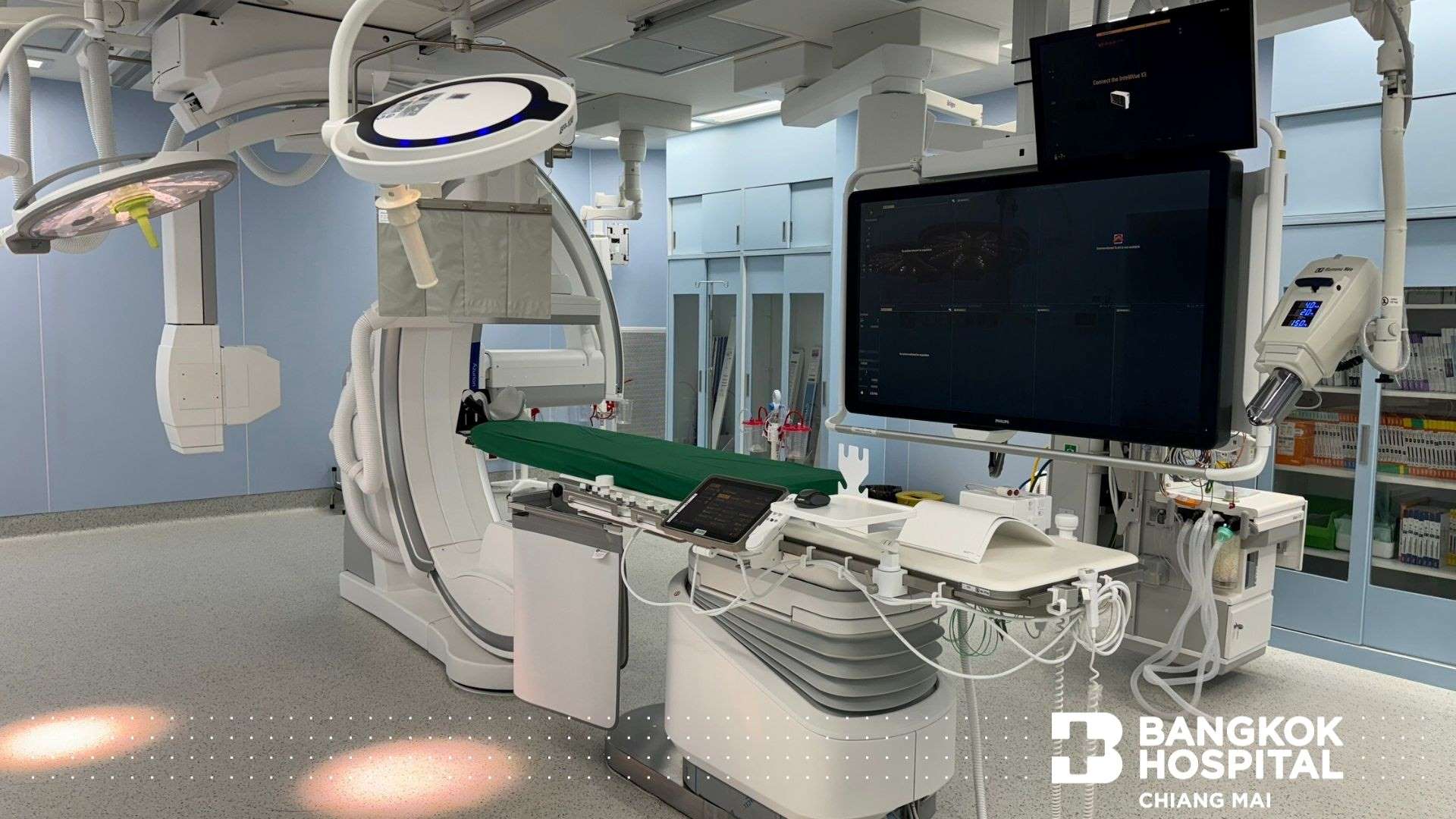
Features of Biplane Digital Subtraction Angiography
- Can simultaneously capture images in 2 planes (front and side)
- The images are of high quality, clear, and distinctly show very small catheters
- Presents a realistic, 3D image, helping to clearly see pathologies of blood vessels in various parts
- Reduces risks and side effects from examination because the contrast dye is injected only once, so the patient receives less radiation and contrast dye
- Allows for convenient and quick diagnosis, especially for conditions that require timely diagnosis, such as stroke and heart disease
- Increases confidence in diagnostic results and enhances treatment effectiveness
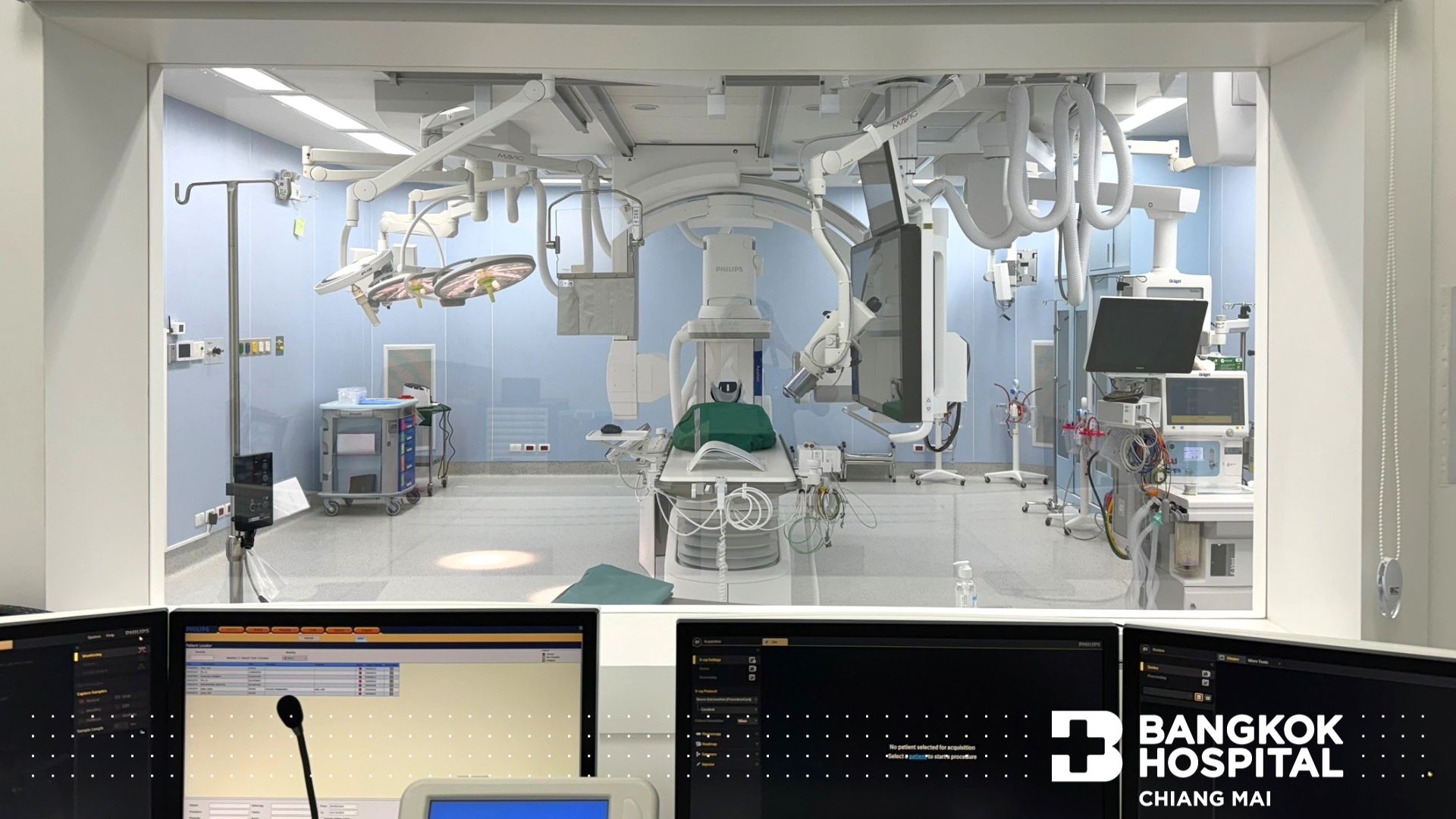
Diseases Treatable with Biplane Digital Subtraction Angiography
Helps treat vascular diseases in various parts of the body, such as acute cerebral artery stenosis or occlusion, cerebral aneurysm, abdominal vascular diseases, arm and leg vascular diseases, and coronary artery stenosis or occlusion.
It is also used to assist in the treatment of cancer patients, especially when cancer drugs need to be directly injected into the tumor, such as in liver cancer, or in patients with internal bleeding in the abdomen. Physicians can insert a catheter to inject drugs or use clotting agents at the bleeding site, increasing patient safety.
Related Packages
- Neurological and Brain Health Check-Up Program for Stroke Prevention Standard
- Neurological and Brain Health Check-Up Program for High-Risk Stroke Prevention
Best Wishes
Neurology and Brain Center | Bangkok Hospital Chiang Mai
Tel: 052 089 862 or Call Center: 1719