
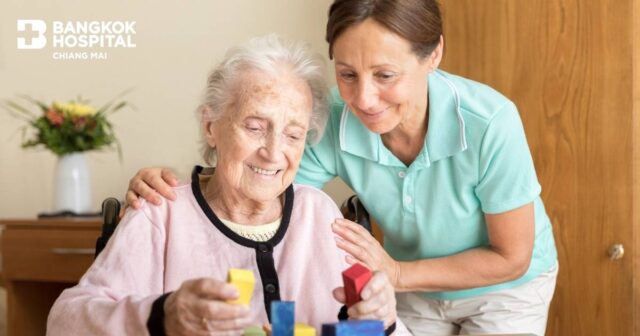

Many people might understand that dementia is found only in the elderly. However, dementia can occur in any gender and at any age. Symptoms such as forgetfulness, confusion, changes in personality or behavior might be warning signs that you have dementia without knowing it!
Check quickly! Abnormal symptoms of dementia
- Frequent and increasing memory loss
- Confusion
- Personality changes from normal
- Indifferent, withdrawn behavior
- Loss of ability to work or perform daily activities
There are other illnesses that cause symptoms similar to dementia, which can improve with treatment. Such conditions include vitamin and hormone deficiencies, depression, side effects from medication, especially sleeping pills, infections, and brain tumors. Therefore, if you experience abnormal symptoms, it is important to see a doctor for screenings and correct diagnosis of the true cause.
Understanding “dementia” with a specialist
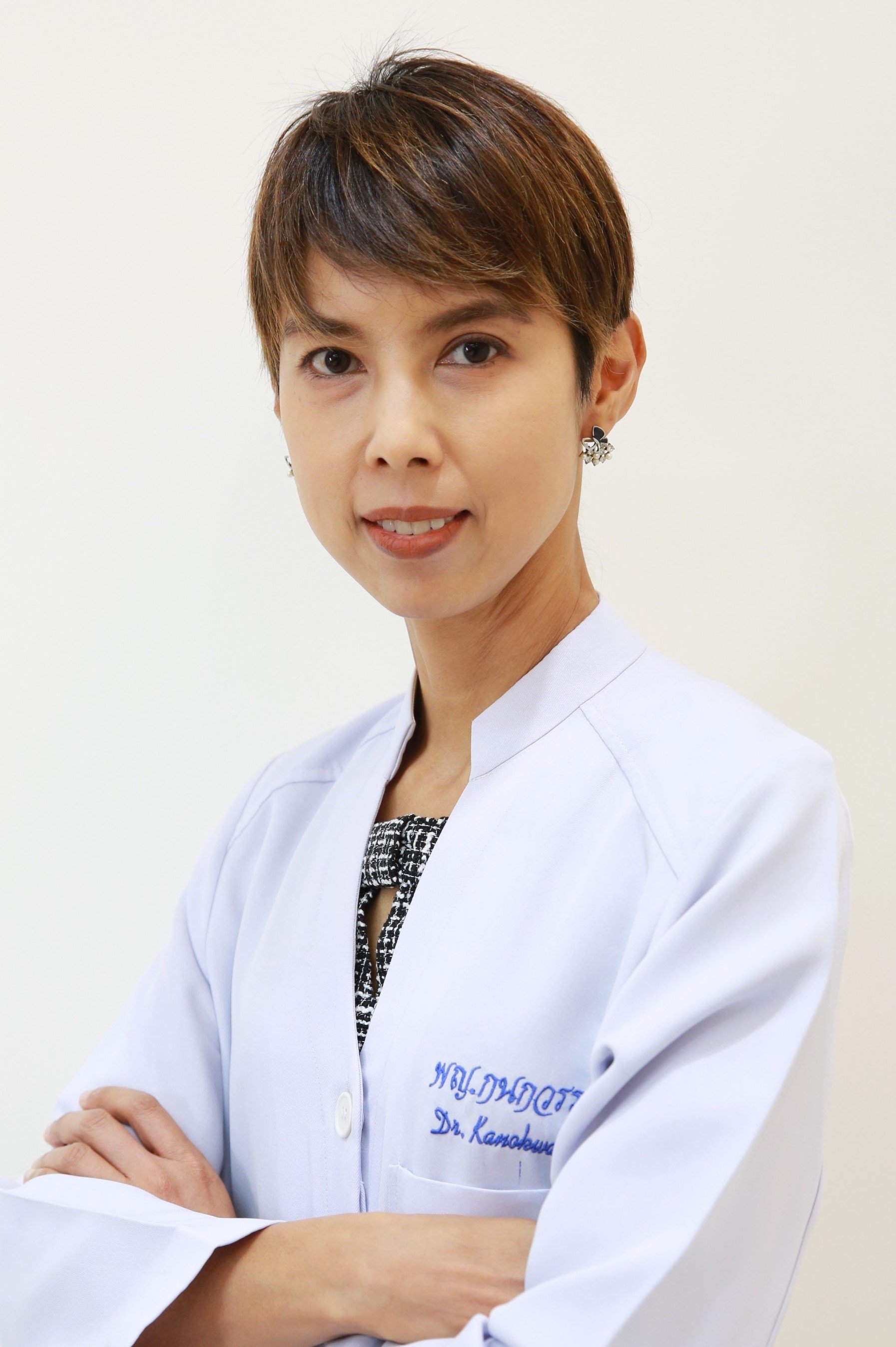
Dr. Kanokwan Watcharasaksilp, a specialist in the brain and nervous system at the Brain and Nervous System Center at Bangkok Hospital Chiang Mai, explained that dementia is a syndrome caused by abnormalities in brain function due to some neurons in the brain ceasing to work, leading to a loss of connection with other cells, resulting in the deterioration or death of brain cells. Dementia may cause patients to have problems with thinking, behavior, and abilities in daily living, affecting life, society, and work.
Dr. Kanokwan also explained that dementia can be found in people of all genders and ages, although it is more common in the elderly and less common in those under 65.
Common forms of dementia
- Alzheimer’s disease
- Vascular dementia
- Lewy body disease
- Frontal lobe dementia
Currently, there is no specific treatment for curing dementia that results from the degeneration or death of brain cells. Patients with dementia should see a doctor for continuous health and symptom evaluation.
Advice from a specialist
Dementia can be prevented by avoiding or managing risks. Although there are uncontrollable risk factors such as age, genetics, and having a family history of the condition, there are also risk factors that we can manage and change through “caring for heart health, physical health, and mental health” as follows:
- Caring for heart health: Control blood pressure, reduce fats and sugars, exercise, and avoid smoking.
- Caring for physical health: Exercise to improve blood supply to the brain, eat healthy and beneficial foods, and get sufficient rest.
- Caring for mental health: Promote mental health by learning new activities, finding hobbies, socializing, or engaging in brain training games.
However, if you or someone close to you experiences abnormal symptoms, you should see a doctor for proper evaluation and care. Early detection and treatment can help reduce the burden on caregivers and improve the patient’s quality of life, allowing them to live with dignity.
Best wishes from
Specialist in Brain and Nervous System
Center of Excellence on Brain and Nervous System Disease | Bangkok Hospital Chiang Mai
For more information, please contact:
Center of Excellence on Brain and Nervous System Disease
Phone 052 089 888 Call Center: 1719
“Open daily from 08.00 – 16.00.”