


How to Eat Low Carb without Gaining Weight
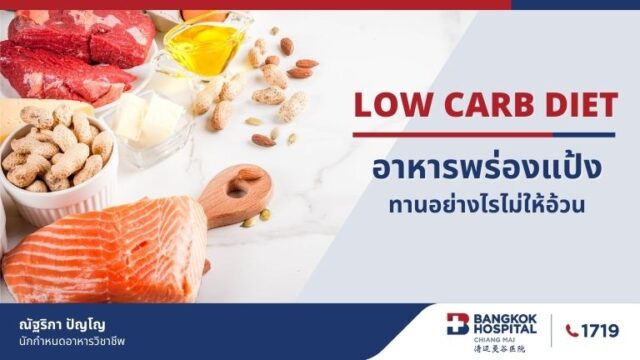
Low Carb Diet or reduced carbohydrate diet involves eating with restricted amounts of carbohydrates or starchy foods, focusing mainly on protein-rich foods. This is done to minimize the secretion of insulin. By significantly reducing the consumption of sugar and starch, the body uses fats and proteins for energy instead, helping to effectively control weight. Here are the guidelines:- Limit starch and sugar intake to no more than 50-100 grams per day by avoiding rice, flour, sugar, and carbohydrates.
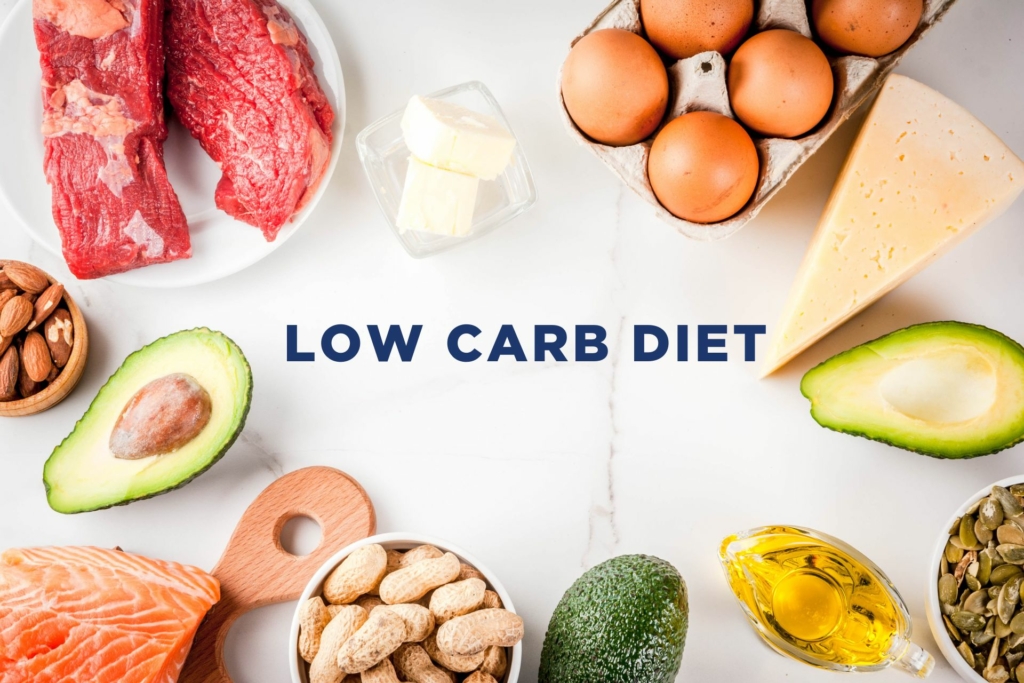
- Consume protein from various meats such as beef, pork, fish, chicken, eggs, seafood, and nuts at about 1.5-2.0 grams per kilogram of body weight per day.
- Eat leafy greens and other vegetables like Chinese winter melon, cucumber, etc., without restriction, but avoid vegetables with high starch and sugar content such as taro, pumpkin, radish, carrots, and limit consumption of all types of fruits, both sweet and non-sweet.
- Avoid sweets, various pastries, sugar-added beverages, and all types of alcohol.
- Avoid using oils with high saturated fat content, which are harmful to the heart and blood vessels, such as coconut oil, palm oil, butter, shortening, and margarine.
The reduced carbohydrate eating is divided into 4 phases:
Phase 1: Initial Stage (First 14 days) Limit carbohydrate intake to 20 grams per day. Omit rice, flour, sugar, and fruits. Eat only meat, eggs, milk, and green leafy vegetables to allow the body to use fats and proteins instead of carbohydrates. This phase leads to the most and fastest weight loss.
Phase 2 Gradually increase carbohydrate intake by 5-10 grams at a time, up to 50 grams per day, including some nuts (such as almonds, pistachios, etc.), vegetables, and fruits. During this period, weight continues to drop.
Phase 3 After weight reduction, gradually increase starch and sugar intake from 50 grams by 5-10 grams until reaching 80 grams while maintaining a stable weight. Focus on complex carbohydrates such as brown rice, whole-grain bread.
Phase 4 Once weight is stable, a variety of foods can be consumed, but the carbohydrate amount must be controlled daily to prevent weight gain.
Those eating low-carb during the initial phase may experience the following symptoms:
- Flu-like symptoms, headache, dizziness, muscle aches
- Easily irritated mood
- Leg cramps
- Constipation
- Palpitations
- Hair loss
- Dr. Pongsak Vorapongpichat and others. 2018. Low Carb Diet. Bangkok: Department of Alternative Medicine, Department of Traditional and Alternative Medicine, Ministry of Public Health.
- Dr. Andreas Eenfeldt, MD. 2021. A low-carb diet for beginners, 16 July 2021.