

Run to the Limit! Measure Your Body’s Endurance to the Max with Vo2Max
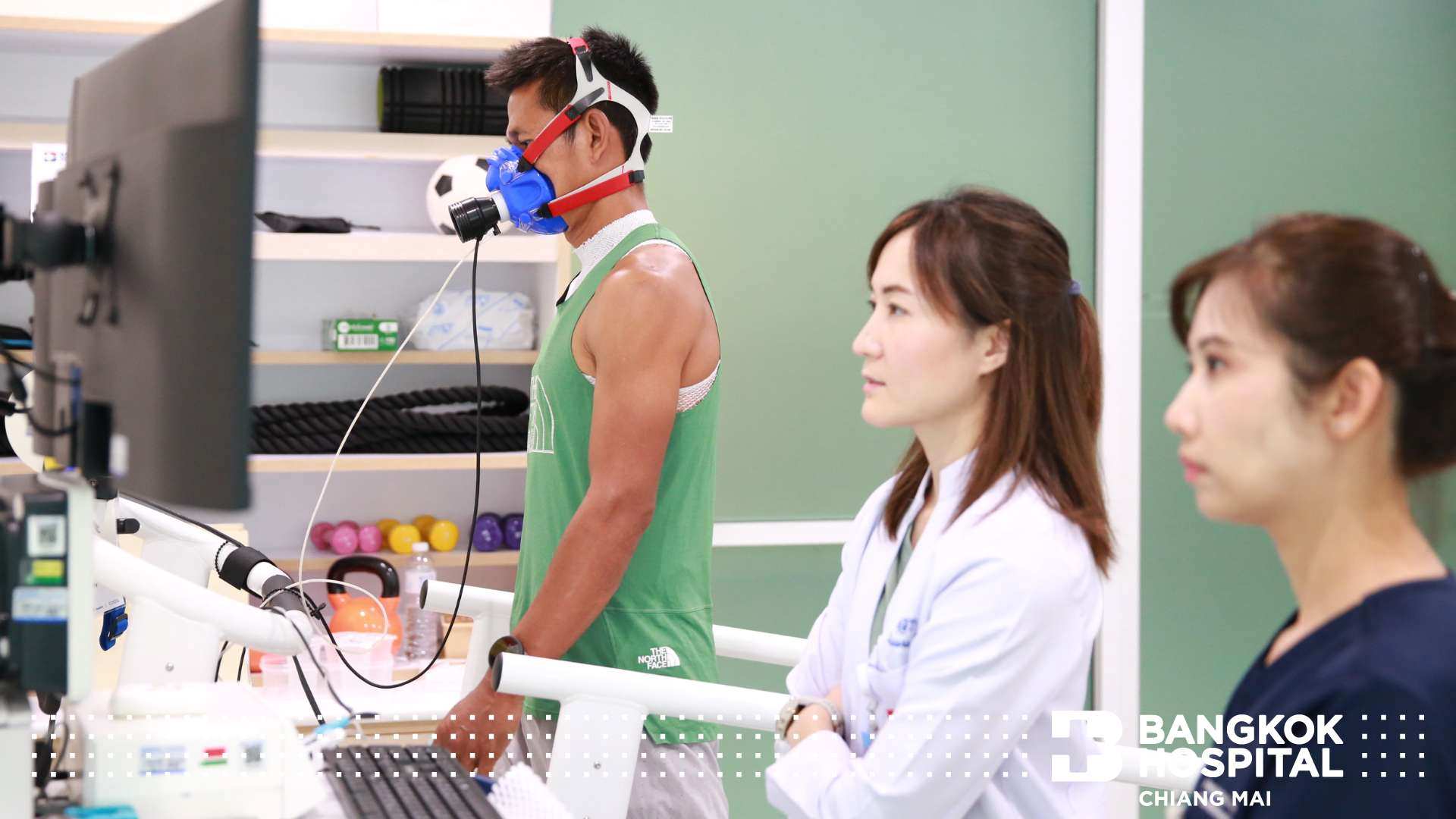
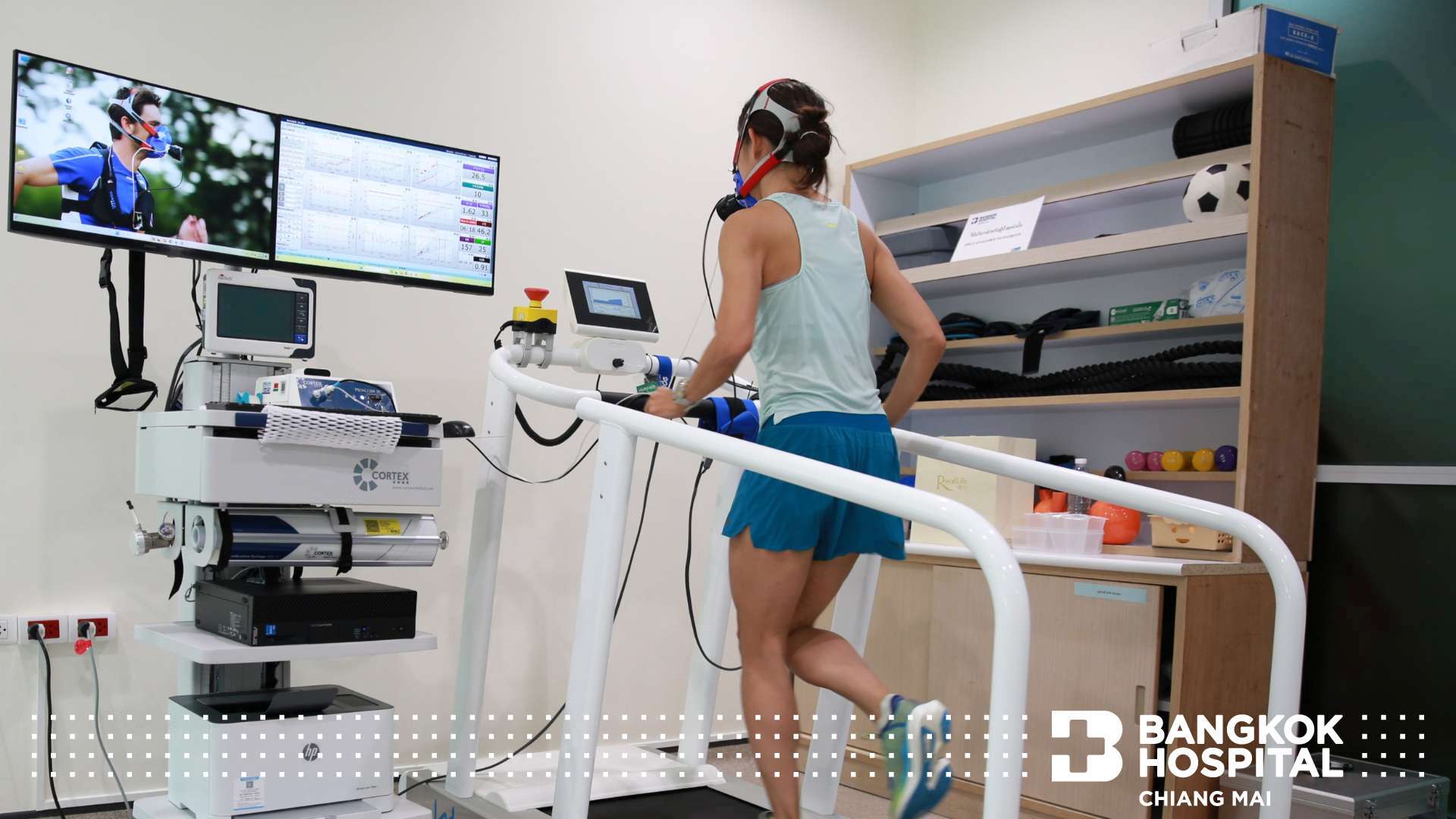
Treadmill running with heart rate measurement: Run on a treadmill to the maximum, check fitness, adjust training schedules, and reduce the risk of sudden death from exercise.
- VO2 max or maximal oxygen consumption is the maximum capacity for oxygen utilization during exercise. It reflects the fitness level of the tester at that time, and can be evaluated by having the participant exercise while measuring the gas they breathe in and out. This test is known as a cardiopulmonary exercise test (CPET or CPx). Testers with higher body fitness will have higher measured values. Other factors influencing VO2 max include gender, age, race, etc.
- The anaerobic threshold or lactate threshold indicates the limit of aerobic metabolism before the body switches to anaerobic metabolism, which can cause fatigue and muscle pain. This information is crucial for adjusting the training regimen to enhance aerobic metabolism efficiency.
- The maximum fat oxidation rate is used to effectively incorporate fat as an energy source for weight loss or training purposes.
- The heart rate zone is used to design an appropriate training schedule for the individual.
- To assess the response of the respiratory and cardiovascular systems and monitor abnormalities during exercise.
- Heart Disease Risk Screening when combined with ECG monitoring.
Who is it suitable for?
Athletes and Coaches:
CPET testing is a useful tool for athletes and coaches, providing detailed and accurate information about the athlete’s cardiovascular and respiratory systems. This data helps athletes and coaches understand the fitness improvements from recent training, and it can be used to adjust training schedules for optimal and effective performance enhancement.
Physical Fitness Assessment:
- VO2 max: CPET measures an athlete’s VO2 max, the maximum oxygen uptake the body can utilize. This data helps athletes and coaches design effective training programs.
- Anaerobic Threshold: CPET measures the Anaerobic Threshold, indicating when the body begins producing lactic acid faster than it can be removed. This data helps athletes and coaches determine appropriate training zones.
Diagnosing Heart and Lung Disorders:
- Heart Diseases: CPET aids in diagnosing several heart conditions such as ischemic heart disease and arrhythmias during exercise.
- Lung Diseases: CPET aids in diagnosing several lung conditions such as asthma and COPD during exercise.
Monitoring Treatment Efficiency:
- CPET is used to track treatment outcomes for heart and lung disorders.
Designing Exercise Programs:
- CPET is used to create safe and effective exercise programs for individual athletes. Marathon runners should undergo CPET before competitive events to determine appropriate running speeds, training plans, and ensure readiness for the competition.
- Athletes preparing for 5K, 10K, marathon, or triathlon competitions, in particular.
- Fitness enthusiasts.
- Athletes seeking to enhance their physical performance by training within the correct zone to improve sports ability.
- Athletes aiming to prevent injuries.
Seniors:
- Seniors experiencing easy fatigue.
- Seniors with chronic conditions such as heart or lung disease.
- Seniors starting an exercise program to maintain fitness and quality of life.
Patients with Heart and Lung Disorders:
- Patients with ischemic heart disease.
- Patients with valvular heart disease.
- Patients with asthma.
- Patients with chronic obstructive pulmonary disease.
Individuals at High Risk for Heart and Lung Diseases:
- Individuals with obesity.
- Individuals with high blood pressure.
- Individuals with high cholesterol levels.
- Individuals with diabetes.
- Individuals with a family history of heart disease.
Individuals Seeking Physical Fitness Assessment:
- General individuals wanting to know their fitness level.
- Individuals starting an exercise program.

Advantages of CPET
- It is a safe test.
- It is detailed and accurate.
- It provides a lot of information about the heart and lung systems.
- It aids doctors in accurate disease diagnosis.
- It helps patients receive appropriate treatments.
Preparation Before CPET
- Refrain from smoking 24 hours prior.
- Avoid consuming tea, coffee, and carbonated beverages 24 hours before.
- Fast for 3 hours before the test.
- Wear regular exercise or comfortable clothing.
- Bring your prescribed medications.
CPET Procedure
- The doctor will enquire and perform a physical examination.
- The patient needs to walk or run on a treadmill.
- The patient needs to wear a mask to measure oxygen and carbon dioxide usage.
- The doctor will monitor heart rate, blood pressure, and ECG (if chosen with ECG monitoring).
Bangkok Chiang Mai Heart Center | Bangkok Hospital Chiang Mai
Tel. 052 089 888 or Call Center 1719
Line Official: @BangkokChinagmai
Related Articles