


 The study published in the Journal of the American Heart Association recently confirmed that influenza is more dangerous to the heart than we think. Because the influenza virus entering the body forces the heart and blood vessels to work harder while inflammation occurs in the body. White blood cells are produced and sent to the organs to prepare to fight the virus. This mobilization to fight the virus causes a condition of blood clots, resulting in increased blood pressure and more difficult blood circulation, causing inadequate blood supply to the brain and heart.
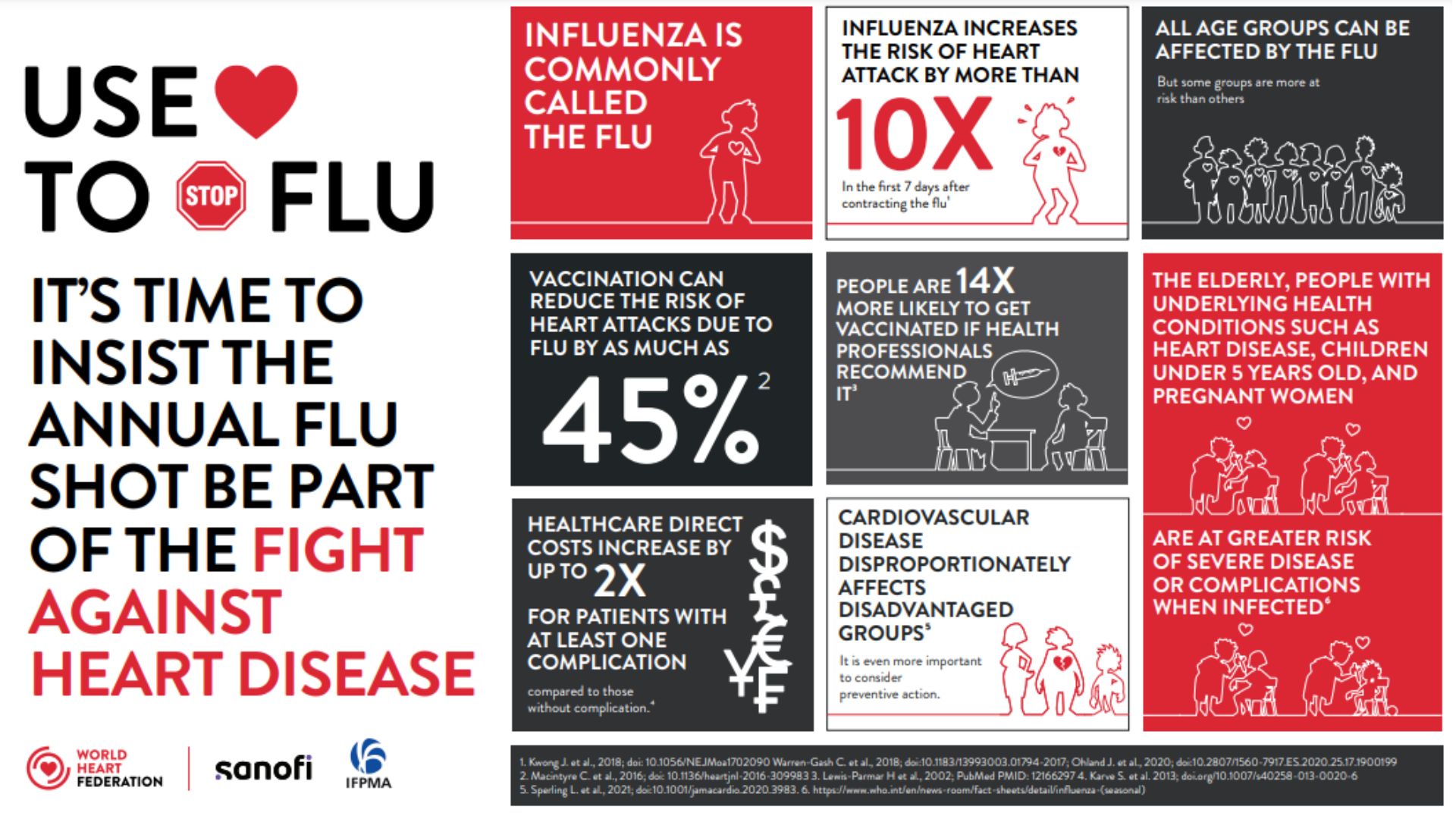
- The mortality rate from heart disease spikes during the influenza outbreak.
- Influenza increases the risk of heart failure by up to 10 times.
- People of all ages are affected by influenza symptoms, but the risk levels differ.
- Influenza vaccine can reduce the risk of heart failure caused by influenza by up to 45%.
- When directly advised by doctors and nurses to get vaccinated, acceptance of the influenza vaccine increases by 14 times.
Thanks to: https://world-heart-federation.org/
Although it is well known that the influenza virus “mutates” every year, the Centers for Disease Control and Prevention (CDC) in the United States insist on issuing an announcement encouraging cardiovascular patients to regularly receive influenza vaccinations to reduce the risk of illness. There is ample evidence confirming that heart patients who do not receive the annual influenza vaccine have higher mortality rates than those who are heart patients and have already been vaccinated. Receiving the influenza vaccine has benefits beyond just annual flu prevention. For those in good health who want to maintain distance from cardiovascular disease, they can adapt their daily lives by exercising regularly, consuming nutritious food, managing weight and blood pressure, frequently checking blood sugar, avoiding smoking, managing stress, getting enough sleep, and not forgetting to receive the annual influenza vaccine, especially in these high-risk groups. Those at risk and who should receive the annual influenza vaccine
- Individuals with chronic conditions from 7 disease groups (chronic obstructive pulmonary disease, asthma, heart disease, stroke, renal failure, cancer patients undergoing chemotherapy, and diabetes)
- Elderly persons aged 65 and above
- Obesity (weighing 100 kilograms or more, or a body mass index greater than 35 kg/m²)
- Pregnant women who are at least 4 months pregnant
- Children aged 6 months to 2 years