


New Trend! Monitoring ‘Sweetness’ 24 Hours a Day!
Today, we have the opportunity to meet Dr. Thirachet Kittipoom, a specialist in internal medicine, subspecialty in endocrinology and metabolism, so we would like to update the new health trends for this year. We’ve observed that people around us tend to reduce their sugar intake. Our famous coffee and bubble tea shops in Chiang Mai often have various sweetness levels to choose from, making it convenient for health-conscious individuals and those aiming for effective weight control. For diabetic patients, to enhance safety and convenience, you can follow the trend of new tools that help facilitate continuous monitoring of diabetic patients through a smartphone application, making it easy and straightforward to track sugar levels continuously 24 hours a day.
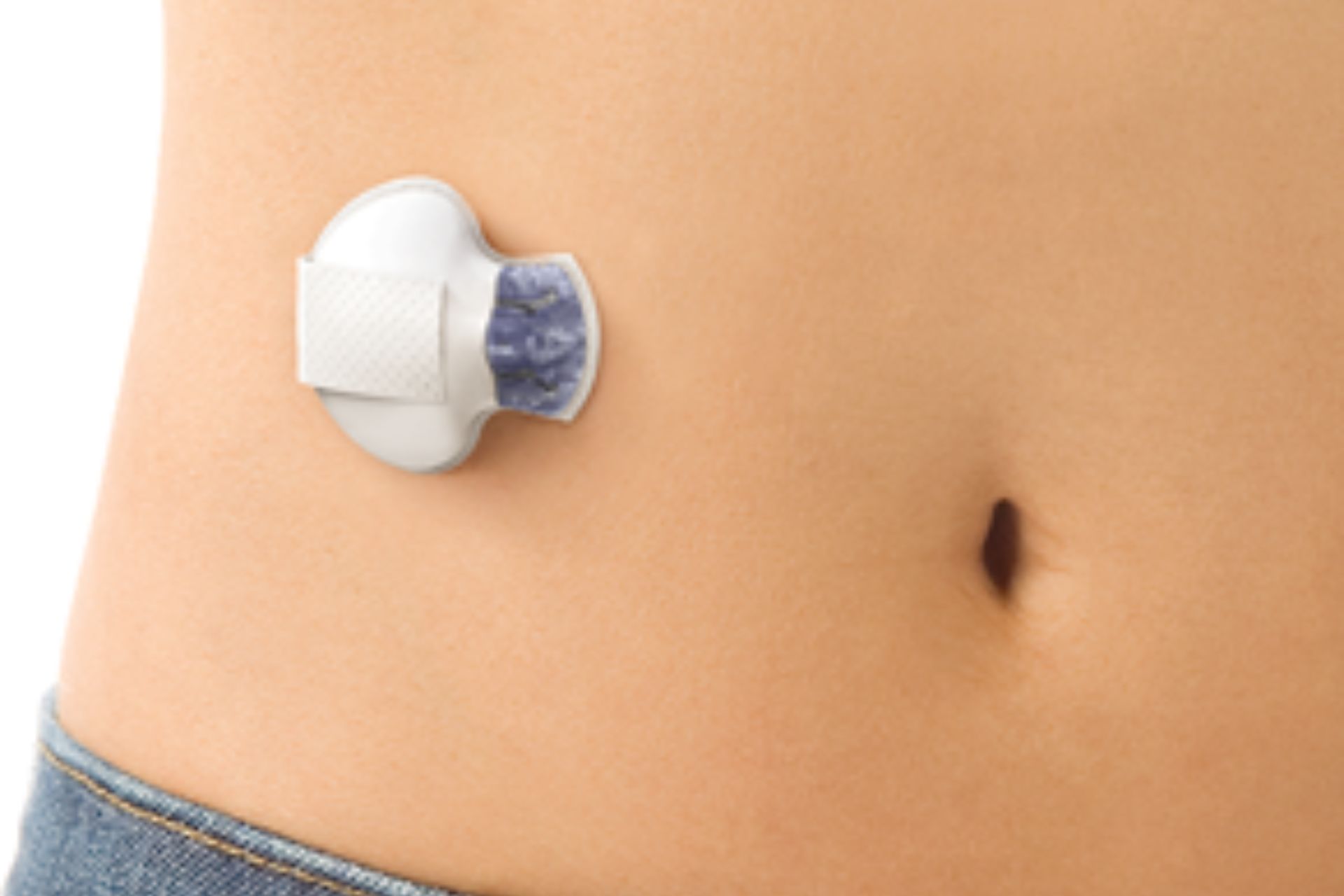
Image credit: www.medtronic-diabetes.com.au
What is CGM? Its Advantages Compared to Other Sugar Test Methods
Currently, there is a new technology called Continuous Glucose Monitoring (CGM), a device placed underneath the skin that measures sugar levels from the interstitial fluid between cells. It then transmits signals via Bluetooth to display glucose levels on a smartphone at any time, capable of measuring 288-480 values per day (depending on the model). It also allows for alerts (alarms) via application when sugar levels are high or low, even during sleep.
- Helps control sugar levels and reduce accumulated sugar (HbA1C)
- Helps reduce the occurrence of low blood sugar
- Helps show glucose variability, which affects the occurrence of diabetes complications
- Helps illustrate the relationship between food intake and sugar levels
The CGM device is waterproof and securely attached to the patient, allowing for normal activities such as showering and exercising. Therefore, CGM is a convenient, safe, and effective tool for managing diabetic patients.
Why Do We Need to Monitor Sugar Levels Continuously?
The key to effective diabetes management is controlling blood sugar levels so they are not too high or too low. Too high levels can lead to long-term diabetes complications, and too low levels can be dangerous to the patient. Typically, patients learn their blood sugar levels through self-monitoring by pricking their fingers 1-7 times a day, depending on the type and severity of diabetes. This self-monitoring can be frequent and cause discomfort. For accurate readings, one should regularly check the accuracy and expiration date of the glucose test strips.
Continuous Glucose Monitoring Devices: Who Are Suitable for Them?
They can be used by all types of diabetic patients, including:
- Those injecting intensive insulin regimens 3 times a day or more, or using an insulin pump
- Those experiencing low blood sugar levels or without warning symptoms of hypoglycemia (Hypoglycemic unawareness)
- Diabetic patients using other insulin regimens but still unable to control sugar levels
- Diabetic patients during pregnancy, especially those with Type 1 diabetes
Easy to Install and Less Painful
Installation by specialist doctors is divided into three parts:- Wearable sensor: a device inserted under the skin in the abdomen or back of the arms to measure sugar levels.
- Transmitter: a device attached to the sensor to send signals via Bluetooth to the receiver to record data.
- Receiver: a device receiving signals from the transmitter to display and record sugar data and alert in case sugar is high or low. The receiver may be a smartphone or a CGM set device.
CGM is Divided into 3 Types:
- Real-time CGM: a system that automatically measures and records sugar levels continuously.
- Intermittently scanned / Flash CGM (isCGM): a system that continuously measures values but requires the receiver device to read values for display and record.
- Professional CGM (rtCGM): a device attached to the patient for 7-14 days without showing the sugar level during use. After removal, the sugar results are reviewed by a doctor to adjust treatment.
However, patients are still required to prick their fingers 1-2 times a day to set the device accurately. It’s also recommended to prick before meals or before bed. Sugar levels may differ from fingertip sugar by about 10% and display with a time lag (Lag times) of approximately 5-20 minutes. Therefore, if symptoms don’t align with the measured values, patients should prick their fingertip sugar to ensure accuracy. For those interested in usingContinuous Glucose Monitoring (CGM) devices and managing diabetes, consultation with a specialist doctor is available.
With best regards from Dr. Thirachet Kittipoom Specialist in Internal Medicine, Subspecialty in Endocrinology and Metabolism Department of Internal Medicine | Bangkok Hospital Chiang Mai Call 052 089 888 or Call Center 1719 Related Articles