





Dr. Phromphorn Pruksakorn specializes in endocrinology and metabolismof the Department of Internal Medicine invites diabetic patients to measure their own blood sugar levels because it’s easy, can be done immediately, and the results can be used as a reference for doctors to correct sugar imbalances. Self-Monitoring of Blood Glucose (SMBG) is an important tool in diabetes management. Those who regularly check their own blood sugar levels can promptly adjust their self-care regimen. In cases where patients experience low blood sugar symptoms such as dizziness, palpitations, sweating, or hunger, they can immediately use the blood glucose meter.
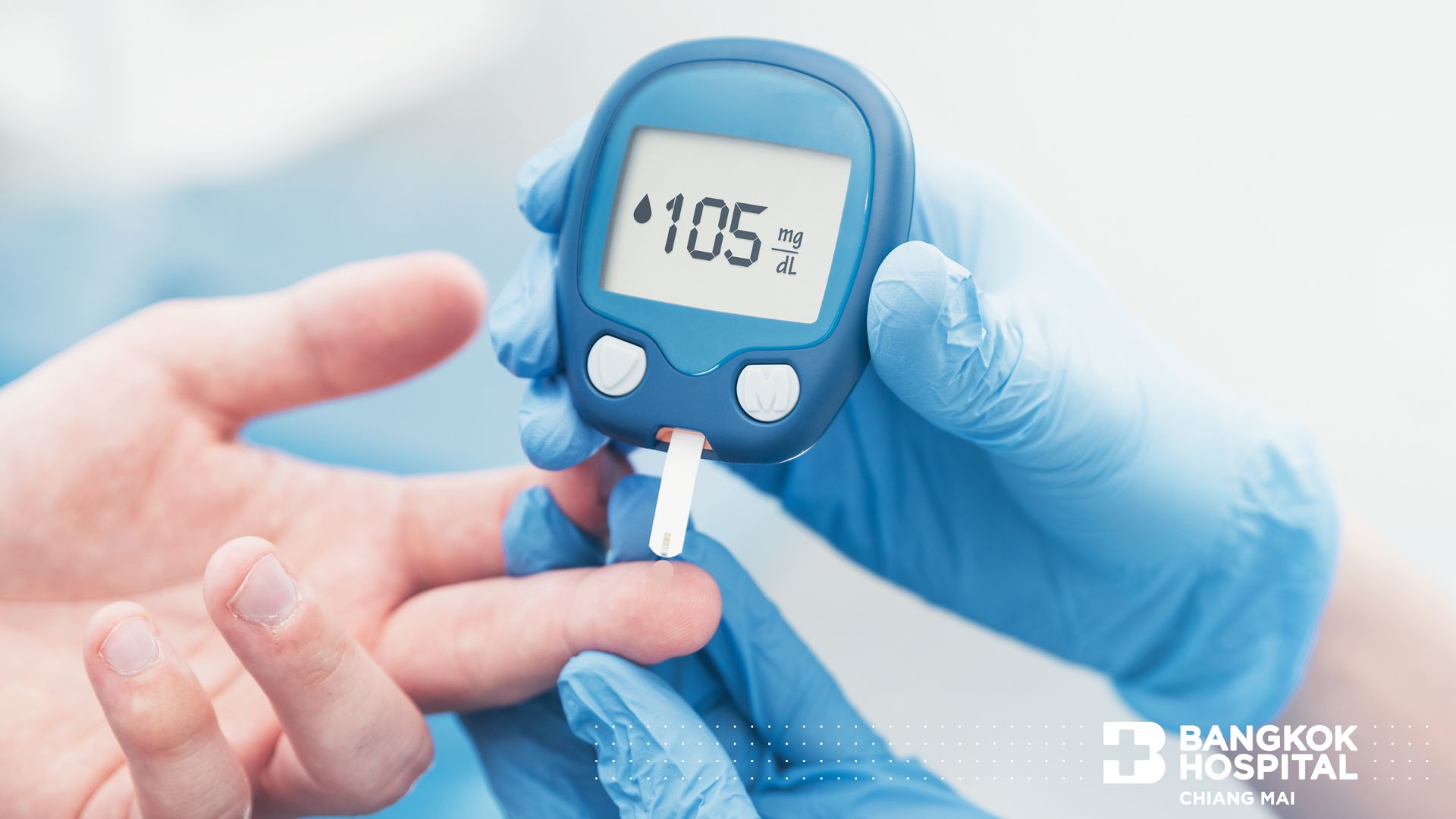
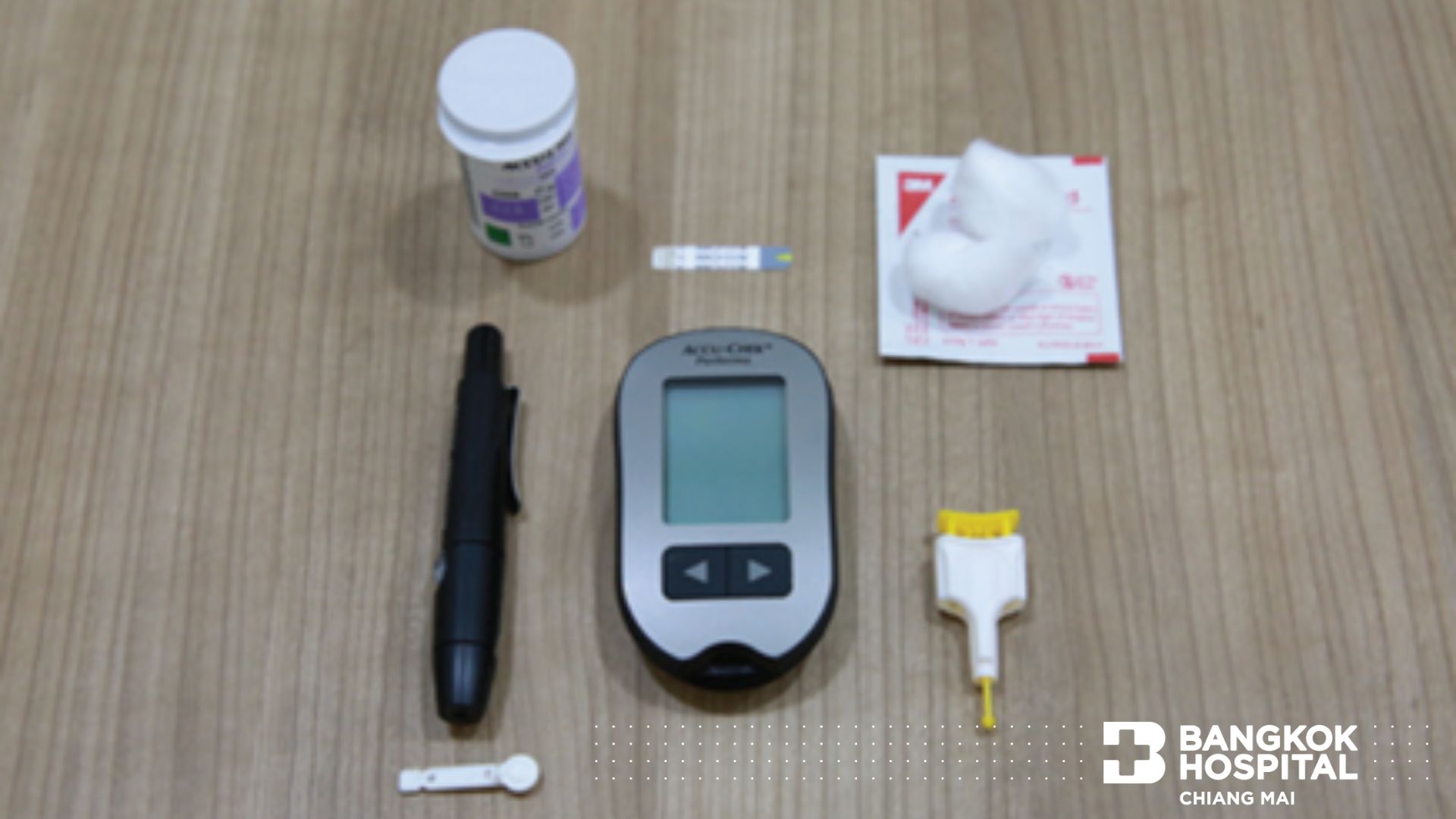
Let’s see what equipment diabetic patients need to prepare
- Alcohol
- Dry cotton
- Blood lancet device
- Test strips
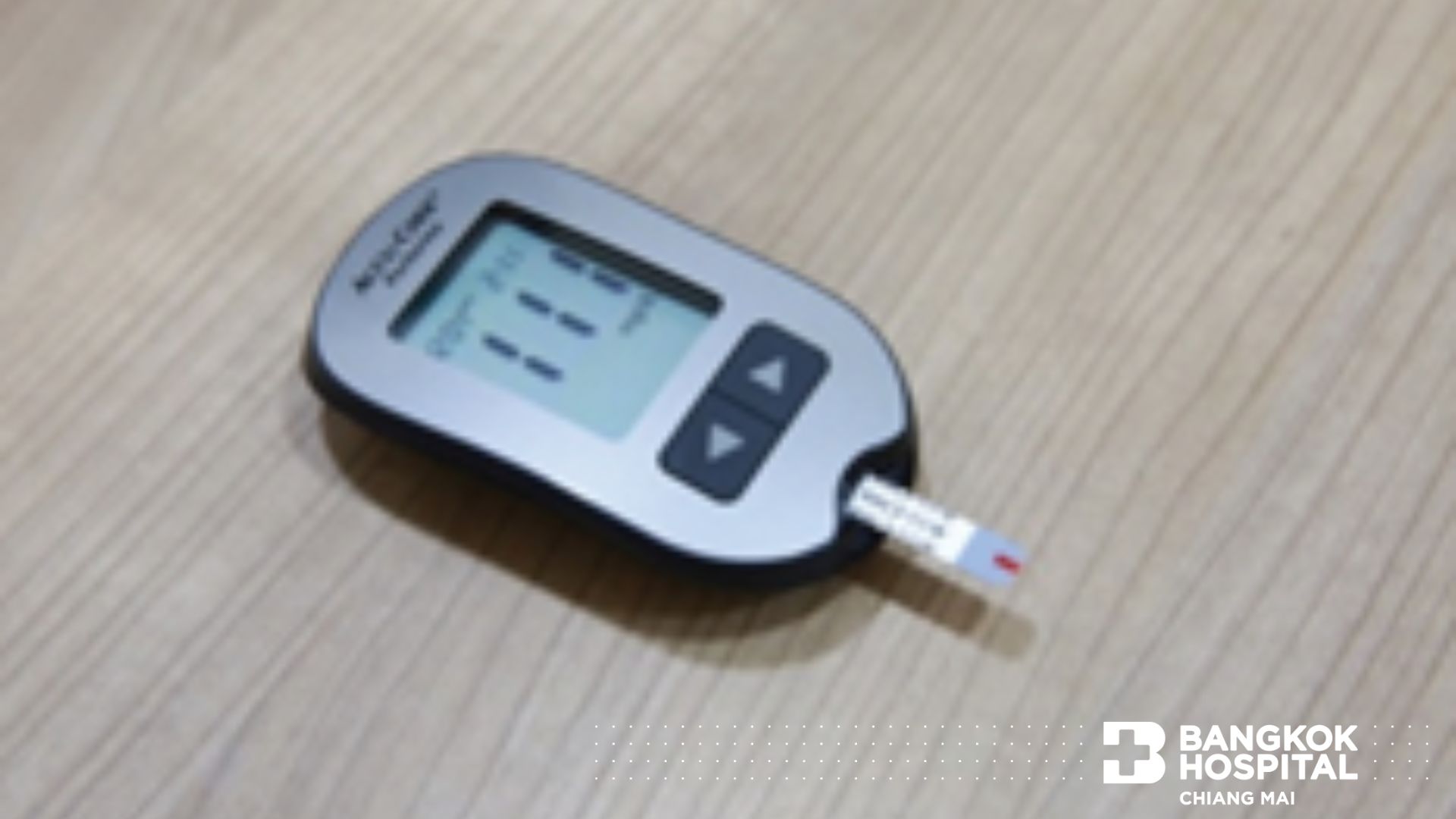
- Glucometer
- Blood lancet or lancet pen
- Insert the test strip into the machine, press the power button (some models turn on automatically)
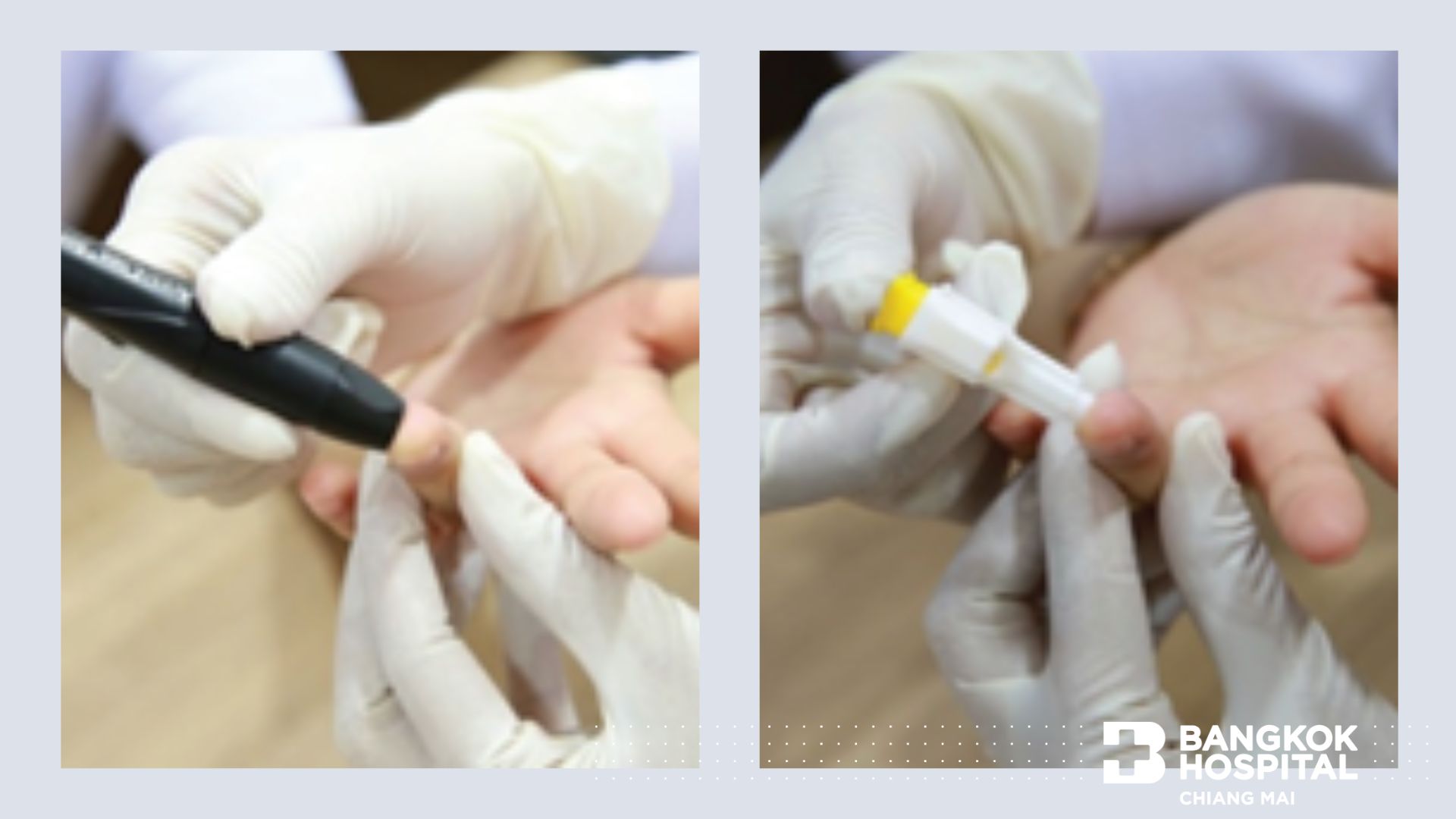
- Insert the lancet into the lancet pen, set the depth based on skin thickness or use a disposable lancet center>
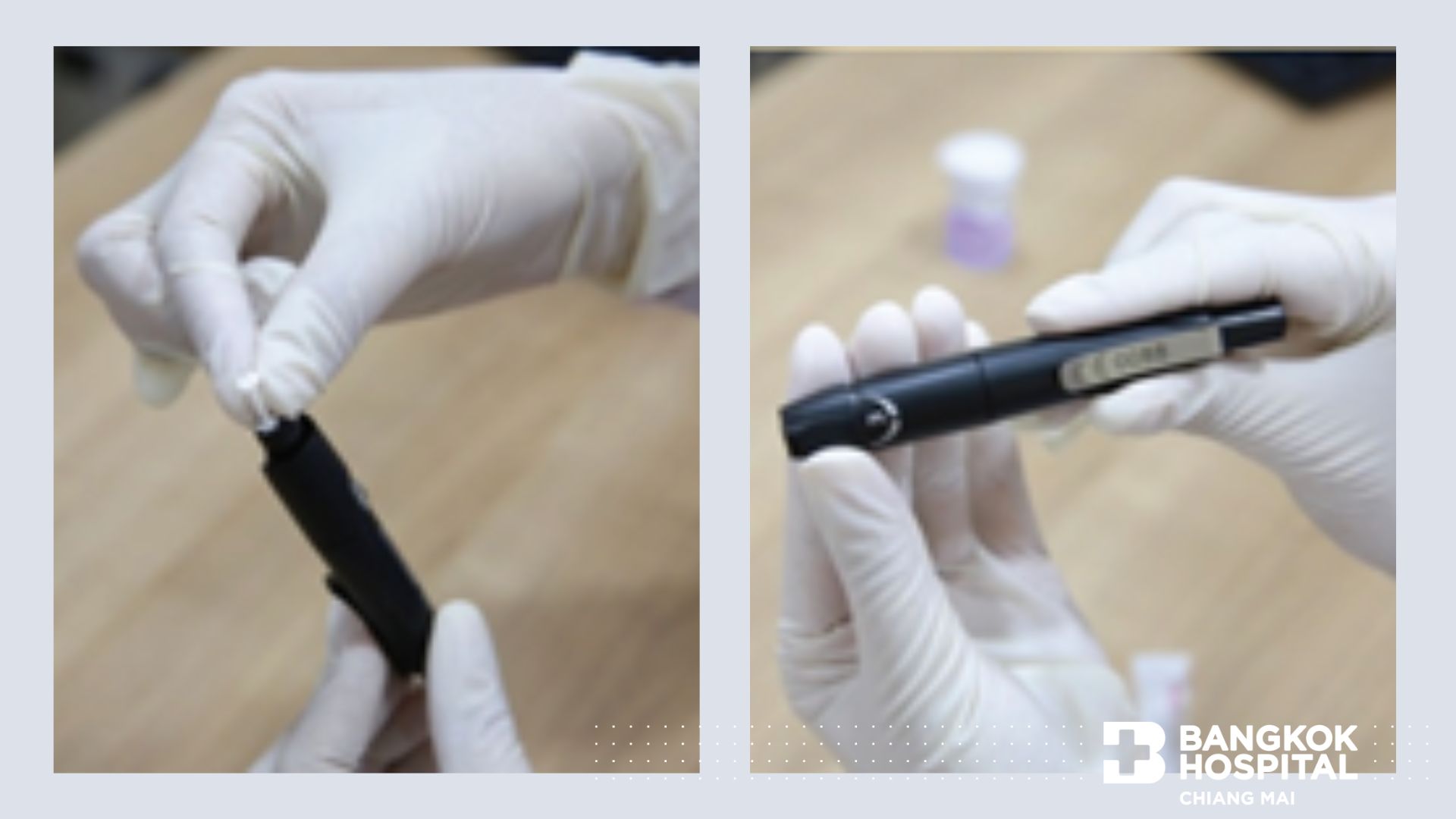
- Use cotton soaked in alcohol, clean the finger’s area to be pricked, and wait for the alcohol to dry.
- Prick the side of the fingertip on the index, middle, or ring finger
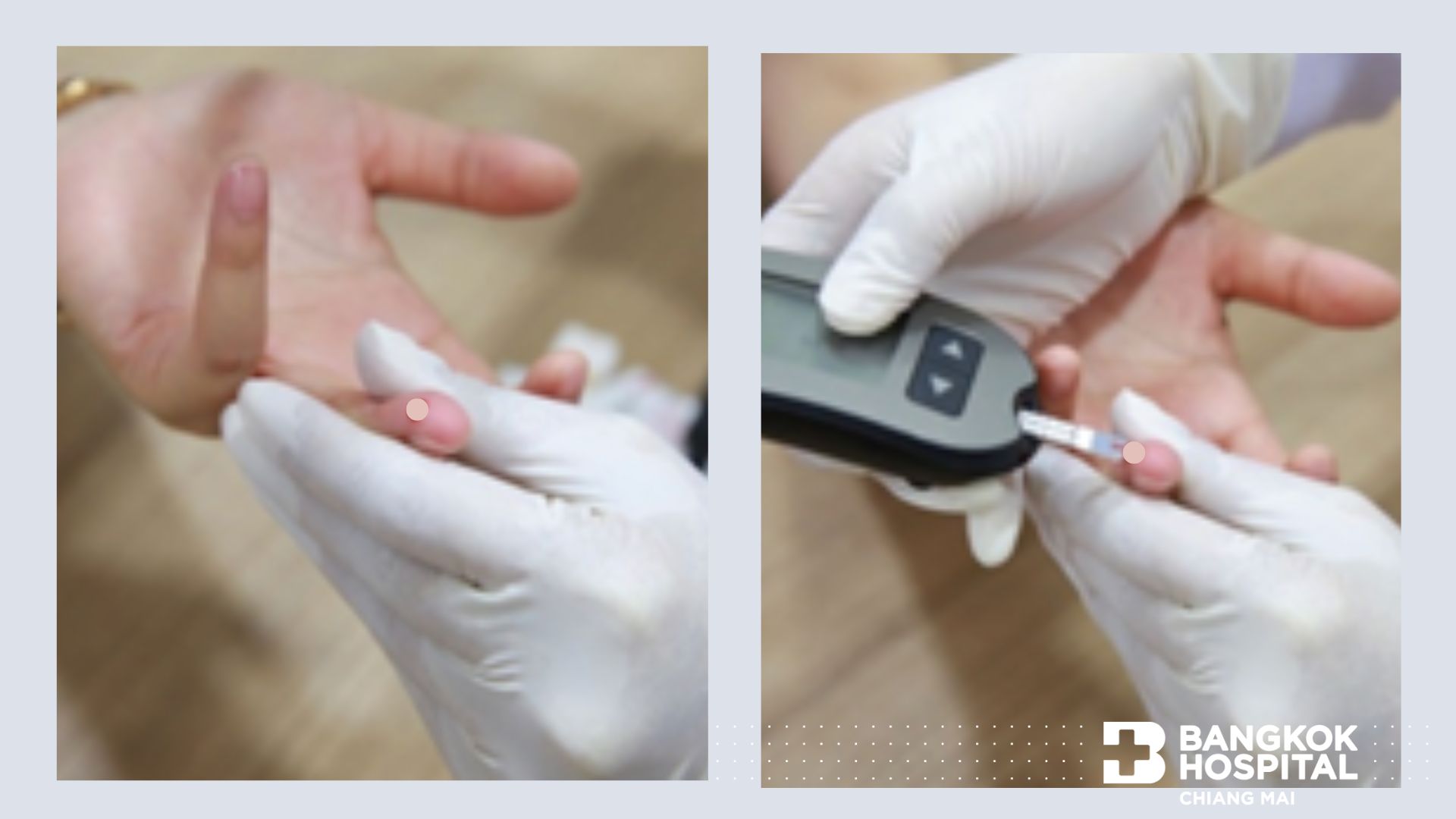
- Drop the blood on the test strip, aligning it parallel with the blood sample area to fill the sampling area center>
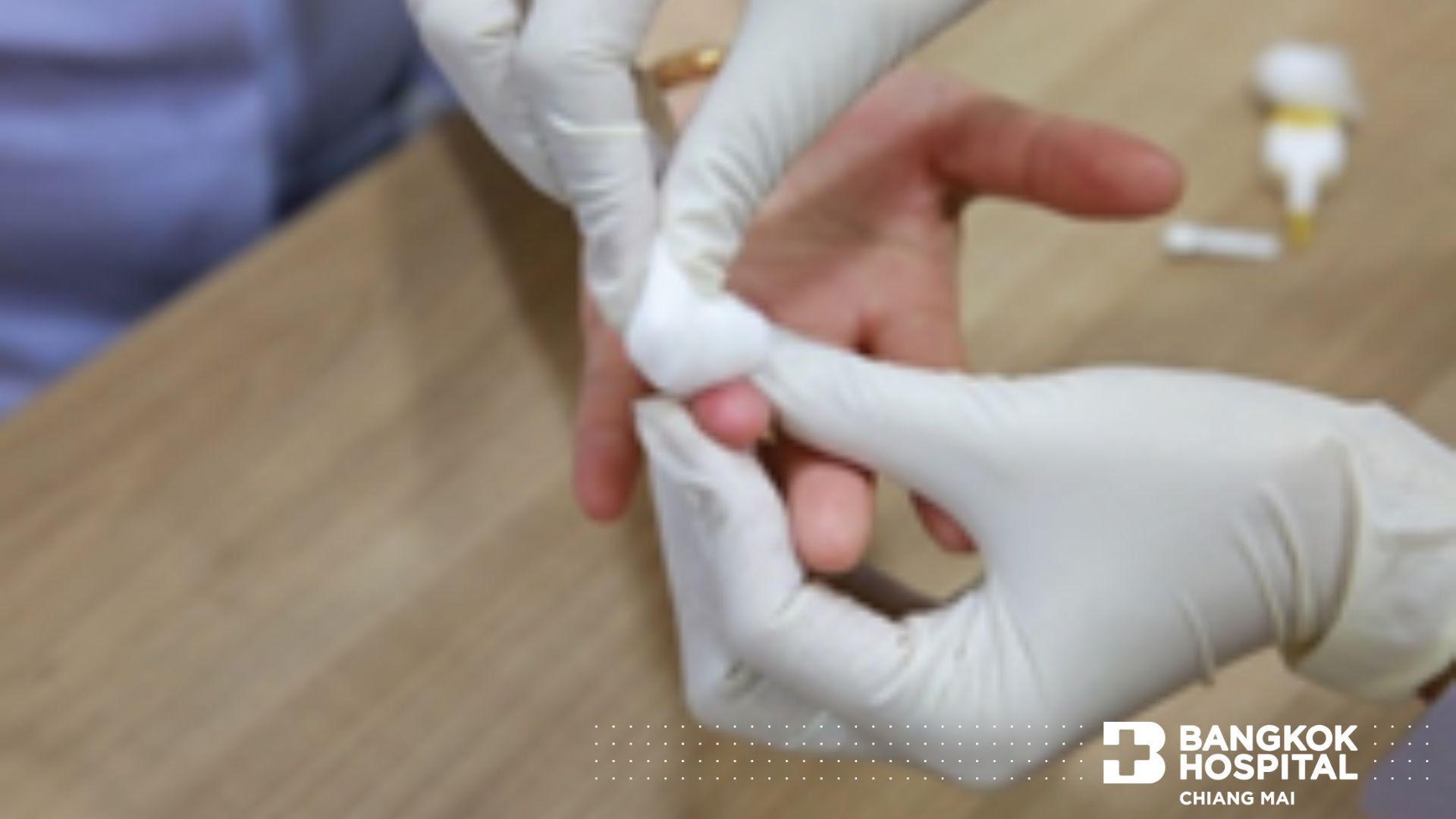
- Press the pricked area with dry cotton until the bleeding stops. Wait for the device to read and record the result in the logbook.
- Be Aware and Distance Yourself from “Pre-Diabetes”
- New Trend! ‘Sweet’ Care 24 Hours a Day!
- 5 Important Things Diabetic Patients Should Receive and ‘Access’
- Just Choose Foods with Low Glycemic Index, Diabetes is Under Control
- Check for Diabetes-Related Complications
- Kidney Function Screening
- Neurological and Brain Health Check-Up
- Heart Disease Screening