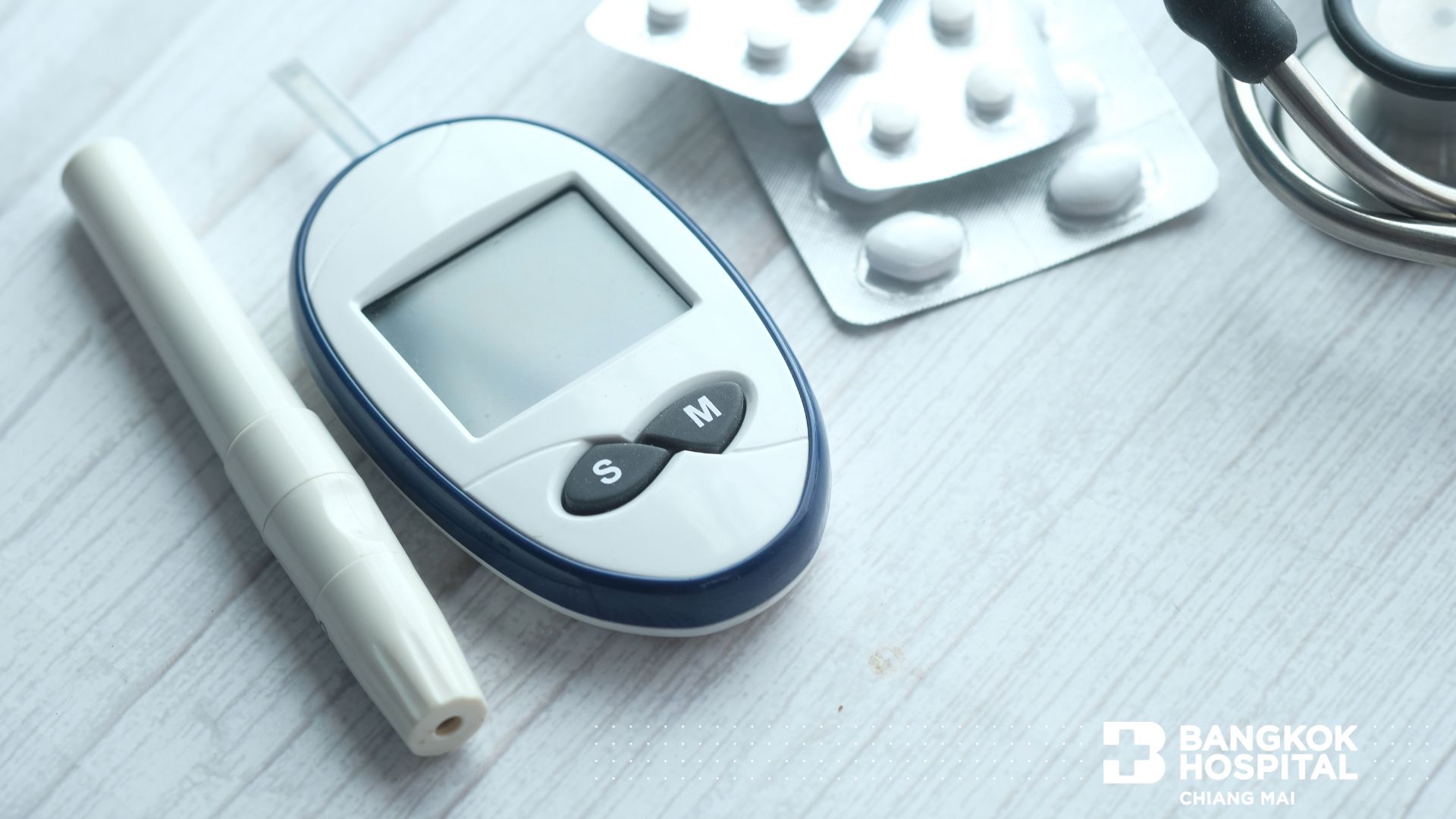
Diabetes remains a leading cause of other diseases in the group of non-communicable diseases caused by lifestyle habits or behaviors, or what is known as NCDs, such as heart diseasestrokehigh blood pressure and chronic kidney disease, etc. These diseasesare not caused by pathogens and cannot be transmitted from person to person and progress slowly, gradually accumulating symptoms continuously. When symptoms appear, the diseases often become chronic.
Globally, there are over 537 million diabetic patients.
Every 5 seconds, 1 diabetic patient dies.
Dr. Phomphan, a specialist in endocrinology and metabolism, explained the importance of vaccinations for diabetic patients. She also recommended vaccines that should be administered to help reduce the risk of illness, hospitalization rates, and severity of infections by the Centers for Disease Control and Prevention (CDC), categorized into the following 6 types:
วัคซีน
Vaccine
ความถี่
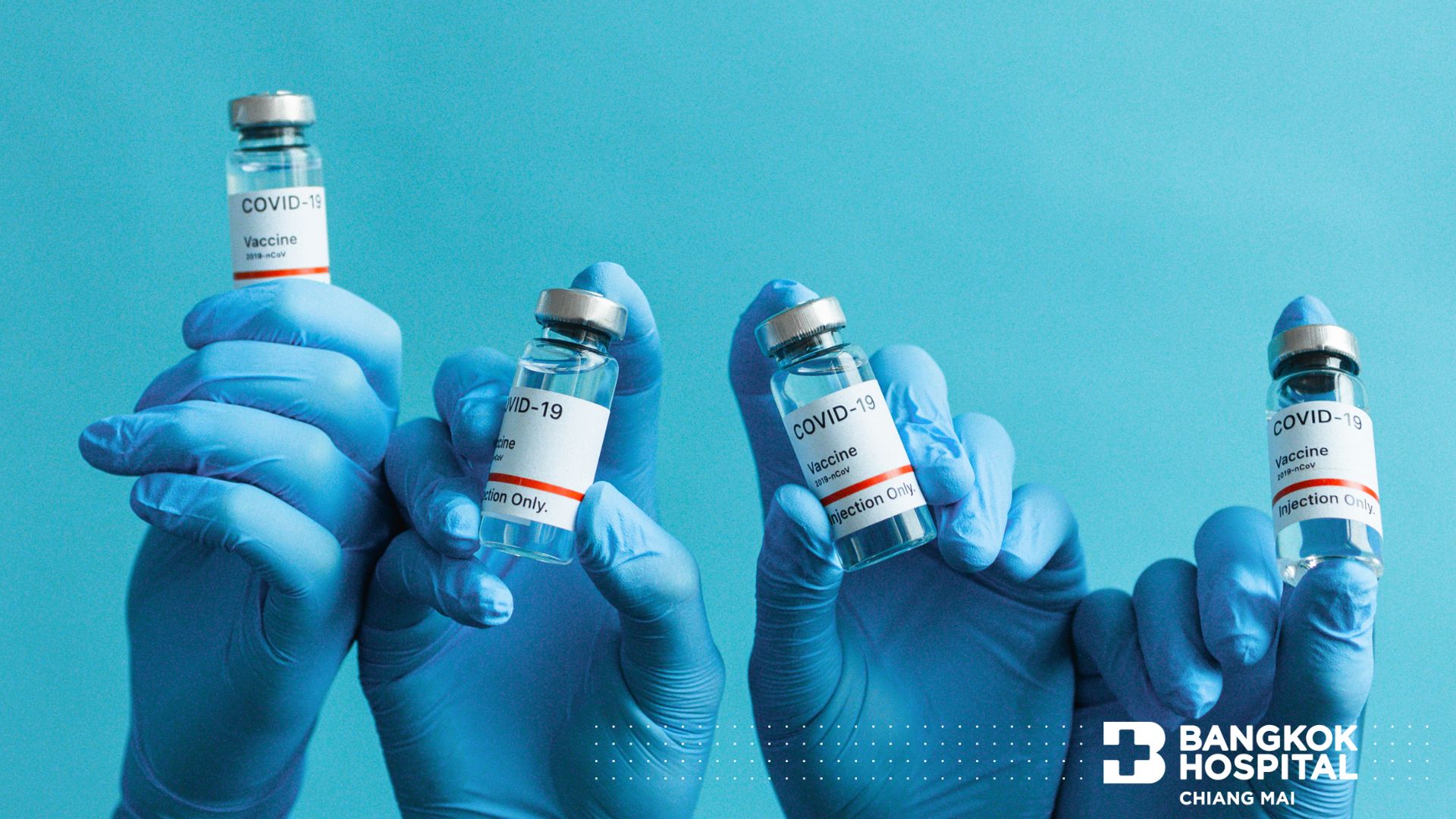
วัคซีนป้องกันโควิด 19
Covid-19 vaccine
1 dose when over the age of 50 every 1 year
วัคซีนป้องกันไข้หวัดใหญ่
Influenza vaccine
Every 1 year; administer at the start of the rainy season
วัคซีนป้องกัน คอตีบ ไอกรน และบาดทะยัก
Tetanus-Diphtheria-Pertussis (Tdap) vaccine
Every 10 years if no immunity
วัคซีนป้องกันไวรัสตับอักเสบบี
Hepatitis B vaccine
Should receive 3 doses; those aged over 60 should assess individual infection risk
วัคซีนป้องกันโรคปอดอักเสบ
Pneumococcal vaccine(PCV-13 and PPSV-23)
PCV-13 1 dose followed by PPSV-23 1 dose, with possible repeated booster according to indications
วัคซีนป้องกันงูสวัด
Zoster vaccine
1 time provides lifelong prevention
Covid-19 vaccine If blood sugar levels are not well controlled, diabetic patients have a higher chance of severe Covid-19 infection compared to the general population, resulting in a higher rate of lung infection and mortality. Therefore, diabetic patients should receive the Covid-19 vaccine annually to reduce the severity of the disease. However, even after receiving the Covid-19 vaccine, there is still a chance of infection. Thus, diabetic patients should wear masks, wash hands frequently, maintain social distancing, and regularly monitor their symptoms.
Influenza vaccine For diabetic patients with vascular diseases, there is evidence that it can reduce rates of heart and vascular diseases and decrease mortality rates from such diseases. With the annual influenza outbreak in Thailand according to the Department of Disease Control statistics, it can lead to lung infections, respiratory failure, and severe cases resulting in death. The influenza vaccine should be administered annually, ideally before the rainy season in May or before winter in October.
Tetanus-Diphtheria-Pertussis (Tdap) vaccine Diabetic patients are at risk of diphtheria, usually presenting with low-grade fever, headache, malaise, sore throat, and difficulty swallowing. Pertussis leads to severe coughing with a distinctive breathing sound, persistent coughing affecting eating, drinking, and breathing. Tetanus, if infected, damages the nervous system causing muscle stiffness, spasms, jaw stiffness, inability to open mouth, neck stiffness, spasms, trouble breathing, and can be fatal. Diabetic patients should receive the Tdap vaccine every 10 years.
Hepatitis B vaccineDiabetic patients have a higher chance of contracting hepatitis B virus compared to others (according to the CDC). It is recommended that diabetic patients under 60 receive this vaccine because hepatitis B is often overlooked. Despite usually presenting without symptoms post-infection, hepatitis B infection increases the risk of liver cirrhosis and liver cancer. Before vaccination, blood tests should check for hepatitis B immunity. If none, they should receive the full 3 doses. Those over 60 should individually assess infection risk.
Pneumococcal vaccine (PCV-13 and PPSV-23) Diabetic patients are at increased risk of bacterial infection, especially pneumococcal bacteria, leading to frequent lung infections and bloodstream infections, with a mortality risk increase up to 50%. There are two types of pneumococcal vaccines: the 13-valent pneumococcal conjugate vaccine (PCV-13) and the 23-valent pneumococcal polysaccharide vaccine (PPSV-23). It’s recommended to receive both vaccines, spaced 1 year apart, with possible repeated boosters as per medical indications.
Zoster vaccine In shingles infection cases, diabetic patients often have more severe rashes than others. The wounds heal slowly and can lead to severe neuropathy. Shingles, caused by the herpes zoster virus, presents with blisters that become pustules and then crust over, usually occurring on one side of the face, torso, or limbs. It can lead to prolonged nerve pain for several years and can recur throughout life as the virus remains dormant in the nerve ganglia. Vaccination reduces infection risk, rash severity, accelerates healing, prevents widespread rash, and reduces recurrence. Only one dose is needed for lifelong prevention.
Anyone experiencing symptoms or who knows someone with diabetes should check if they have received all the recommended vaccinations. Don’t forget, while vaccinations help protect against severe and complications in diabetic patients, the best prevention is maintaining a healthy lifestyle, managing diet, controlling weight, and regularly consulting medical specialists. You can also click here to seek consultation with a doctor and the hospital’s nutrition team.Best regards,Dr. Phomphan Phruksakorn Endocrinologist and Metabolism Specialist Department of Internal Medicine | Bangkok Hospital Chiang Mai Tel. 052 089 888 or call center 1719







 Best regards,
Dr. Phomphan Phruksakorn Endocrinologist and Metabolism Specialist Department of Internal Medicine | Bangkok Hospital Chiang Mai Tel. 052 089 888 or call center 1719
Best regards,
Dr. Phomphan Phruksakorn Endocrinologist and Metabolism Specialist Department of Internal Medicine | Bangkok Hospital Chiang Mai Tel. 052 089 888 or call center 1719