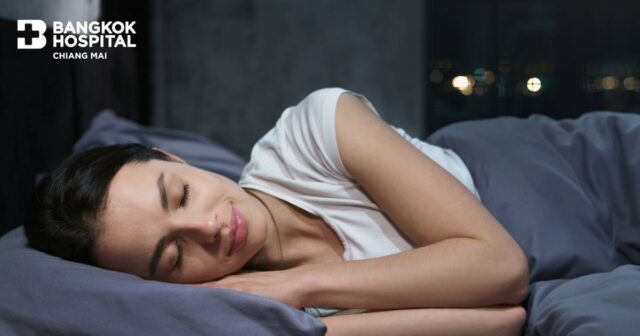

How to Sleep Well – Good Sleep Requires Both Quantity and Quality
- The required amount for working-age adults is 7-8 hours.
- Good quality means continuous sleep, following a natural cycle, without frequently waking up during the night.
Have You Experienced These Symptoms?
- Snoring
- Night sweats
- Restless sleep, frequent tossing and turning
- Suddenly waking up at night due to choking or a sensation of breathlessness
- Feeling dry or having a sore throat upon waking
- Headaches in the morning after waking
- Changes in personality or concentration, frequent forgetfulness, easily irritated more than usual
- Excessive daytime sleepiness or feeling overly tired
Most people often do not notice abnormalities in their own sleep. It is often a spouse or someone close to them who first notices these issues. These symptoms may indicate obstructive sleep apnea syndrome.
What is OSA?
- Obstructive Sleep Apnea or OSA
- OSA is a condition where breathing stops intermittently while sleeping, with pauses in breathing that may last from 10 seconds to 2 minutes.
- Adults may stop breathing during sleep, but it should not exceed 5 times per hour to avoid other complications.
Who is at Risk for OSA?
- It is more common in individuals who are overweight or have anatomical features that contribute to airway obstruction, such as a weak soft palate muscle, large tonsils, or a smaller jaw than usual.
- Men are three times more likely to be affected than women.
- Post-menopausal women are more than three times at risk compared to pre-menopausal women, due to a decrease in female hormones (which help prevent the relaxation of airway muscles).
- Smokers / Alcohol drinkers
How Does OSA Affect Our Body?
- It affects both physical and mental health.
- Causes excessive daytime sleepiness, leading to decreased academic performance, inefficient work performance, and higher chances of accidents compared to normal people.
- Furthermore, patients with sleep apnea are at risk of developing high blood pressure, diabetes, stroke, acute myocardial infarction, arrhythmia, and obesity.
Diagnosis Method
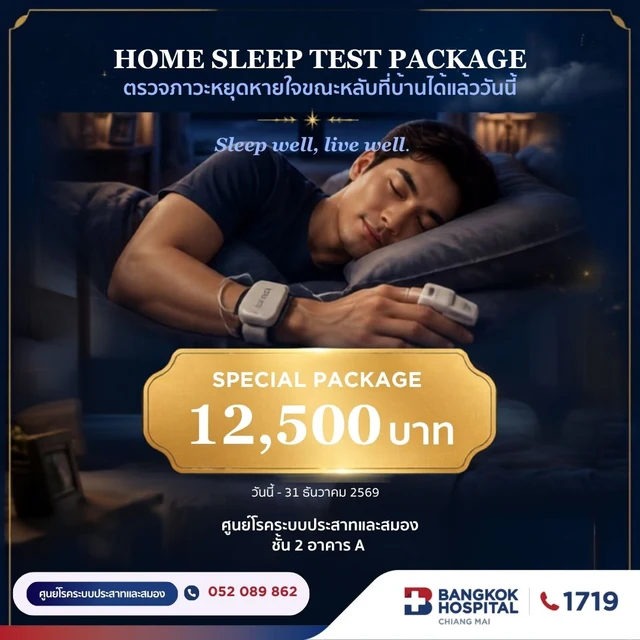
It’s recommended to have a sleep study (Sleep Lab) to determine which type of snoring you have and to measure the severity of your sleep apnea, to assist physicians in planning better treatment strategies.
Who Should Undergo a Sleep Lab?
-
- In Adults, a Sleep Lab is recommended when experiencing:
- Waking up in the morning feeling tired and not refreshed
- Frequent headaches and needing to sleep more regularly
- Feeling like you haven’t had a full night’s sleep, even if you’ve had plenty of rest, leading to irritability and easy mood swings
- Feeling sleepy at work during the day, to the point where you can’t continue working, or falling asleep unintentionally while working, driving, attending classes or meetings, or while reading, watching movies, or TV
- Restless sleep, tossing and turning a lot
- Breathing difficulties during sleep, that might resemble choking on saliva
- Gasping or breathing heavily as if lacking air after a pause in breathing
- High blood pressure without a clear cause
- Decrease in work performance or academic results due to drowsiness, lack of focus, poor cognitive development, intellect, and memory deterioration
- Waking up in the middle of the night for no clear reason, or frequent nighttime urination without another cause
- In Adults, a Sleep Lab is recommended when experiencing:
-
- In Children, a Sleep Lab is recommended when experiencing:
- A child who has abnormal sleeping postures, such as preferring to sleep on their side or stomach
- A child who cannot concentrate on one activity for long (attention deficit disorder), is easily irritated, or is constantly engaged in activities
- Child bedwetting at night
- Poor academic performance in children due to drowsiness, lack of concentration, brain development, intellect, and memory decline
- Infants during their first year suspected of having breathing pauses during sleep, with abnormalities in the mouth, nose, or throat
- Children who snore or have difficulty breathing while sleeping for various reasons, such as enlarged tonsils or adenoids, narrowed airways due to various causes
Treatment Methods – The treatment approach should be tailored to the individual’s symptoms, including:
Modifying Risky Behaviors
- Weight loss: Research has shown that losing even just 10% of body weight can reduce the frequency of apnea episodes during sleep.
- Avoid alcoholic beverages and sleeping pills before bed, as they can contribute to airway obstruction during sleep, and extend the duration of apnea episodes.
- Try sleeping on your side to reduce the severity of the condition in some cases.
- For patients with airway obstruction issues due to sinus problems or nasal congestion, using nasal sprays or decongestants can help ease breathing during sleep significantly.
- Avoid sleep deprivation.
Using Continuous Positive Airway Pressure (CPAP)
This equipment helps keep the airway open by creating air pressure to keep your airway open consistently. CPAP is the most effective treatment for sleep apnea. Patients need to wear a mask over their nose or mouth, and the machine will adjust the pressure high enough to blow the air through, preventing the airway from narrowing during sleep continuously.
Using Oral/Dental Devices (Mandibular Advancement Devices, MAD)
For patients with mild sleep apnea, MAD devices help bring the lower jaw forward to enlarge the air passage behind the throat while the patient is sleeping.
Surgical Treatment
- Somnoplasty: This treatment uses radiofrequency to apply heat under the soft tissue of the palate or uvula to increase the airway space.
- Uvulopalatopharyngoplasty (UPPP): This surgery removes tissue including the tonsils, uvula, and part of the soft palate to widen the upper airway.
- Mandibular/maxillary advancement surgery: Jawbone surgery for patients with sleep apnea and significant facial bone abnormalities.
- Nasal surgery: Procedures in the nasal cavity to address anatomical issues such as a deviated nasal septum.
The appropriate treatment will be selected by the physician based on the sleep study results and individual patient characteristics.
For more information, please contact the Sleep Quality Center
2nd Floor, Bangkok Hospital Chiang Mai, Tel: 052-089-862 - In Children, a Sleep Lab is recommended when experiencing: