If you are one of those dealing with nearsightedness, farsightedness, astigmatism, or are tied to wearing glasses, driving can be troublesome, playing sports can be challenging, and switching to contact lenses requires constant caution. Today, let's resolve these doubts and liberate the joy of clear vision with the new option of blade-free LASIK for a brighter and clearer world than before.

Bladeless LASIK, which represents a new scientific advancement, not only helps reduce risks and enhance the effectiveness of treating vision problems but also increases the options for correcting abnormal vision conditions. This is especially true for issues like nearsightedness, astigmatism, congenital farsightedness, and age-related farsightedness, which are common foundational problems today. By using laser light to increase precision and safety during the corneal flap creation process, it plays a crucial role in improving the quality of vision and elevating people's quality of life in society as a whole.

Bladeless LASIK, considered a new science that not only helps reduce risks and enhance the effectiveness of vision problem treatments but also provides additional options for correcting vision abnormalities. Especially for common issues such as nearsightedness, astigmatism, congenital farsightedness, and age-related farsightedness. By using laser light to increase precision and safety in the process of separating the corneal layers, it plays a significant role in improving vision quality and elevating the quality of life for people in society as a whole.

ReLex is the latest technique in eye treatment that takes laser vision correction for short-sightedness beyond LASIK. It uses the femtosecond laser to precisely separate and then remove a ‘lenticule’ (tiny disc) of tissue to re-shape cornea and change its lens power.

FEMTOLASIK: An advanced bladeless refractive surgery to treat vision problems

People over the age of 40 will experience presbyopia, which is a natural decline in vision over time. Initially, they could see both far and near clearly without glasses but will need to start wearing glasses for reading or up-close work. Those who already have myopia, hyperopia, or astigmatism and are wearing glasses will have to switch to bifocals or progressive glasses, or have two pairs of glasses - one for distance and one for near vision. For contact lens wearers, they will need to wear an additional pair of glasses for near work or adjust the power of their contact lenses.

Your body requires sleep as this process provides vital rest. However,sometimes you may go sleep early at night and sleep the appropriate hours,yet you do not feel fresh in the morning.

Hypertension, also known as high blood pressure, is a chronic medical condition in which the blood pressure in the arteries is persistently elevated.

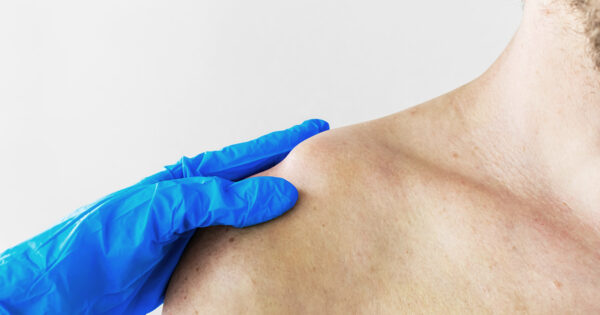
Frozen shoulder is a condition where the range of motion in the shoulder is limited. It often starts gradually with inability to fully raise the arm or rotate it backward. If left untreated, it can worsen to the point where the shoulder can barely move or not at all.

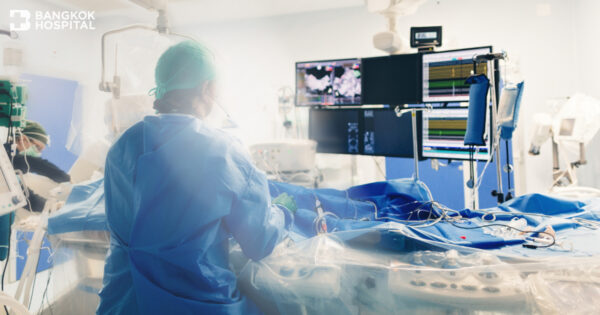
“Coronary artery disease” is the narrowing or blockage of the coronary arteries which is mainly caused by atherosclerosis. Atherosclerosis, known as hardening of the arteries, is the buildup of cholesterol and fatty deposits called “atherosclerotic plaques” on the inner walls of the arteries. The obstruction of coronary arteries decreases blood flow to the heart. Eventually, the reduced blood flow may cause angina (or chest pain) and shortness of breath. A complete blockage can result in a fatal heart attack.

Common symptoms including severe and sudden pain in the upper right abdomen, bloating and flatulence are often misunderstood to be only peptic ulcers or gastroesophageal reflux disease (known as GERD).

Every time it rains, it floods. If you are faced with such frequent flooding, you should be aware that you are at risk of many dangerous diseases.