


Translated by AI
Food Allergy in Adults (Adult-Onset Food Allergy): Symptoms, How to Recognize, Diagnosis and Treatment, Know Before It Becomes Severe
Food allergies in adults can occur even if you have previously eaten that food without any allergic reaction. Learn about the causes, symptoms, diagnostic tests, treatment, and prevention of severe allergic reactions so you can respond appropriately.
Translated by AI
Chronic cough may be caused by allergic rhinitis, asthma, or bronchitis. Seek prompt treatment to stop the cough.
A chronic cough is not a minor issue. If the cough persists for more than 8 weeks, it may be a sign of allergic rhinitis, asthma, or eosinophilic bronchitis. This article explains the causes, symptoms, warning signs, diagnostic methods, and treatment approaches that can stop the cough by addressing the underlying cause.

Translated by AI
Severe Drug Allergy: Recognize the Symptoms Before It's Too Late
Drug allergy is a reaction in which the immune system responds abnormally to a medication. It can occur in both acute and non-acute forms. If not clearly diagnosed, it may lead to missing out on necessary medications in the future and pose a risk of severe danger. This article summarizes symptoms, causes, diagnostic methods, and safe management strategies.
Translated by AI
Sublingual Immunotherapy (SLIT): Long-Term Allergy Relief
Discover how sublingual immunotherapy (SLIT) treats the root causes of allergies like dust mites and pollen with convenient, needle-free daily tablets.

Translated by AI
How dangerous is a penicillin allergy?
Allergic reactions to penicillin are caused by abnormal immune responses. Symptoms range from rashes, itching, and swelling to shock, which can be life-threatening. It is recommended to be assessed by a doctor for an accurate diagnosis.
Translated by AI
Allergic Rhinitis: Answering All Questions for Allergy Sufferers
Allergic rhinitis is a condition where the body is sensitive to allergens such as dust mites, animal fur, or pollen, resulting in symptoms like nasal congestion, sneezing, itchy eyes, and continuous runny nose. If neglected, it can impact daily life and develop into other diseases.

WEATHER ALLERGY: ACCLIMATIZED BEFORE THEY BEGIN
Regardless of the season, when the weather changes – unpredictably sunny, rainy or cold – it can trigger your allergies.
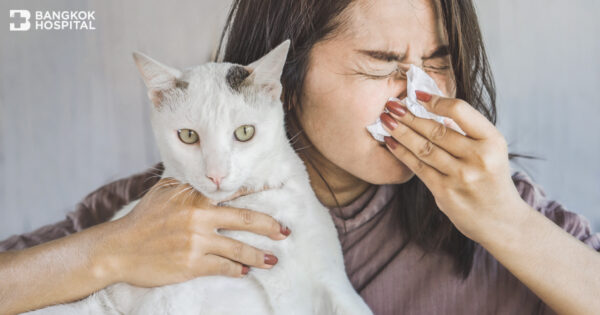
Put a Lid on Your Pet Allergies
Pet lovers can experience allergies from their favorite animals, especially popular pets such as cats, dogs, rabbits, and mice.

Immunotherapy, Your Answer to Allergies
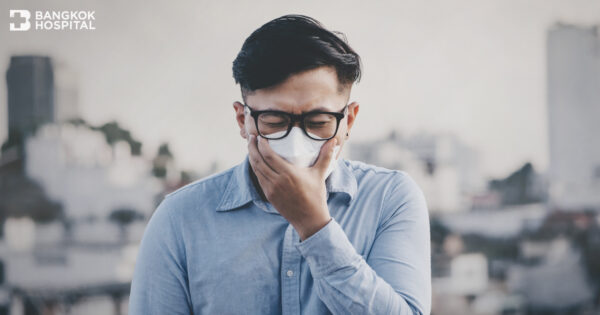
PM 2.5 Pollution – Allergy Trigger
PM 2.5 are polluted particles in the air that are extremely small. Once you inhale these particles deep into your bronchial tract, your trachea and alveoli (air sac) will become inflamed. This will be very harmful to your respiratory system, and even worsen the conditions in allergy patients.
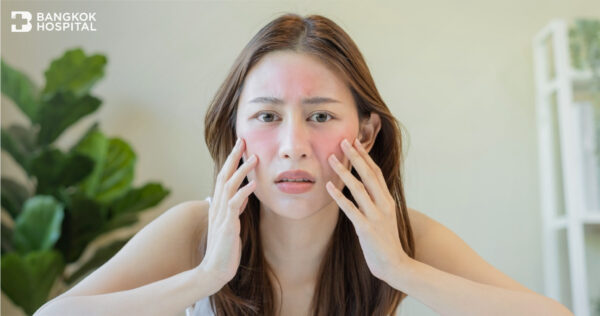
PATCH TEST TO IDENTIFY YOUR ALLERGIC CONTACT DERMATITIS
Nobody likes allergy. Regardless of its type, allergy still has an effect on the body – especially allergic contact dermatitis, which results in rashes swelling, reddish skin, itches, and blisters.

Chronic Urticaria - Do Not Overlook Until It’s Become Severe
Urticaria, though not life threatening, can affect normal daily life – especially the rashes from Chronic Urticaria which can become a source of irritation in the long run.