


Allergies result from the immune system reacting to allergens, causing not only inconvenience but also affecting daily life both physically and mentally, as well as social engagement. They may lead to severe complications. In addition to taking antihistamines, allergy treatment has developed immunotherapy in the form of sublingual tablets (SLIT) to control allergy symptoms for a longer period, especially for those allergic to dust mites, improving quality of life in the long term.
What is sublingual immunotherapy (SLIT)?
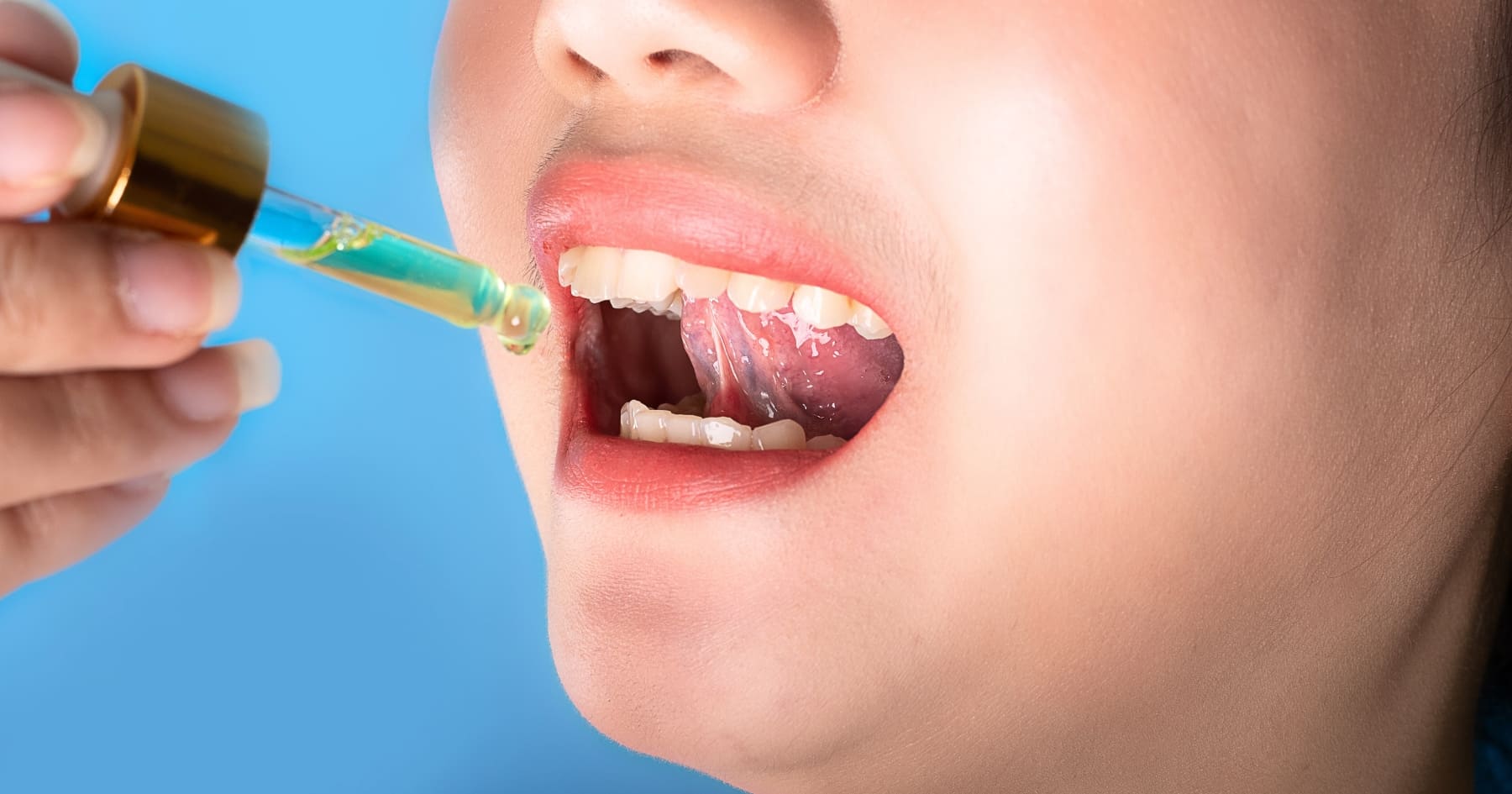
Sublingual immunotherapy (Sublingual Immunotherapy – SLIT) is a treatment for allergies by administering allergens in prescribed amounts controlled by specialists to gradually stimulate the immune system to adapt until it no longer responds to what it was once allergic to. This involves using SLIT medication in tablet or drop form placed under the tongue once a day, suitable for treating allergies with continuous long-term use for 3 years.

Which allergies does sublingual immunotherapy (SLIT) treat?
Sublingual immunotherapy (SLIT) can treat various types of allergies including:
- Dust Mite Allergy
- Pollen Allergy / Hay Fever
- Allergies to certain animal fur
- Chronic allergic rhinitis (Allergic Rhinitis)
- Allergic Asthma
Who is suitable for sublingual immunotherapy (SLIT)?
- Those afraid of needles
- Those who have had allergic reactions to allergy vaccines or who find it inconvenient to travel for vaccine shots
- Chronic allergy patients who are on regular medication but have not achieved symptom control
- Patients with nasal allergies, itchy eyes, sneezing, runny nose, recurrent nasal congestion
- Patients allergic to dust mite pollen
- Children aged 5 years and older and adults of all ages
Currently, sublingual immunotherapy (SLIT) abroad can treat all allergy symptoms, but in Thailand, sublingual immunotherapy (SLIT) is limited to treating dust mite allergies only.
Steps for sublingual immunotherapy (SLIT)
- Evaluate allergens (Skin Prick / IgE Blood Test)
- Plan treatment at the root cause by an allergy and asthma specialist
- Monitor treatment results periodically for maximum effectiveness

Advantages of sublingual immunotherapy (SLIT)
- Convenient as it can be done at home without hospital visits
- Fewer side effects, though there might be initial throat itching or irritation, or an upset stomach
- Reduces the need for antihistamines as symptoms gradually improve, eliminating the need for medication
- Prevents complications, reducing the chance of developing asthma or chronic sinusitis
- Enhances immunity, building tolerance to allergens
How injection immunotherapy (SCIT) VS sublingual immunotherapy (SLIT) differ
|
Details |
Injection immunotherapy |
Sublingual immunotherapy |
|
Method |
Injection of allergens into the upper arm |
Place tablets or drops under the tongue daily |
|
Location |
Administered at the hospital |
Self-administered at home after initial consultation with a doctor |
|
Frequency |
Weekly (initial phase) |
Daily (Once a day) |
|
Treatment Duration |
3-5 years |
3-5 years |
|
Eligible Age |
5 years and older |
5 years and older (2 years and older in some countries) |
|
Allergens Treated |
Dust mites, pollen, animal fur, mold |
Dust mites, pollen, animal fur (limited selection) |
|
Common Side Effects |
Swelling, redness at injection site, itchiness, arm pain |
Under-the-tongue itching, initial throat irritation |
|
Anaphylaxis Risk |
Rare, monitor for 30 minutes post-injection |
Very low, rarely occurs |
|
Highlights |
Dosage adjustable according to symptoms, suitable for multiple allergens |
Convenient for home use, no injections needed |
|
Limitations |
Hospital visit required for each injection, not suitable for those afraid of needles |
Daily administration, not available for all allergens in sublingual form |
|
Long-term Treatment Results |
Reduces allergy symptoms and severity by 70-90% |
Reduces allergy symptoms and severity by 60-80% |
The European Academy of Allergy and Clinical Immunology (EAACI) and the Food and Drug Administration (FDA) recognize the effectiveness of SLIT in treating dust mite and pollen allergies. Several studies confirm that SLIT can significantly reduce allergy symptoms, from 30-70% within 6-12 months, and provide long-term results after discontinuation of medication, particularly in children who respond well and prevent the escalation to asthma.
Where to find expert allergy treatment?
Bangkok Hospital’s Allergy and Asthma Center offers thorough evaluations, diagnosis, and care for allergy patients, providing accurate advice and information through a specialized and multi-disciplinary team of experienced professionals to ensure a high quality of life for patients.
Expert doctors in allergy treatment
Dr. Linna Ngamtrakulpanit, an allergy and asthma specialist at Bangkok Hospital’s Allergy and Asthma Center
You can click here to make an appointment by yourself.