

Thyroid nodules found through a detailed diagnostic evaluation include both benign tumors and malignant tumors. In cases where the thyroid nodule is benign, it can be treated with non-surgical thyroid nodule ablation (Thyroid Ablation), which has few side effects, takes little time, requires no recovery period, and does not recur.
Are thyroid nodules dangerous?
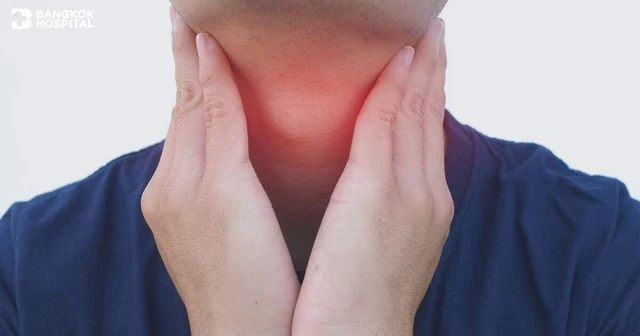
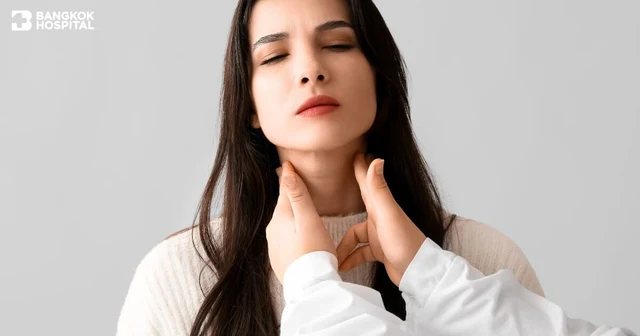
Patients with thyroid nodules If the nodule is small, causes no symptoms, or is barely palpable, it usually does not significantly affect daily life. However, if a lump in the neck can be felt and the thyroid nodule continues to grow, even if it is not cancer, it can affect daily living, such as difficulty swallowing, a sensation of something stuck in the throat, tightness or fullness in the neck, and more. Seeking medical care promptly for timely treatment is therefore important. There are several treatment options, including medication, radioactive iodine, surgery, and currently, thyroid nodule ablation (Thyroid Ablation), which has fewer side effects. The choice of treatment mainly depends on the physician’s evaluation.
What is thyroid nodule ablation (Thyroid Ablation)?
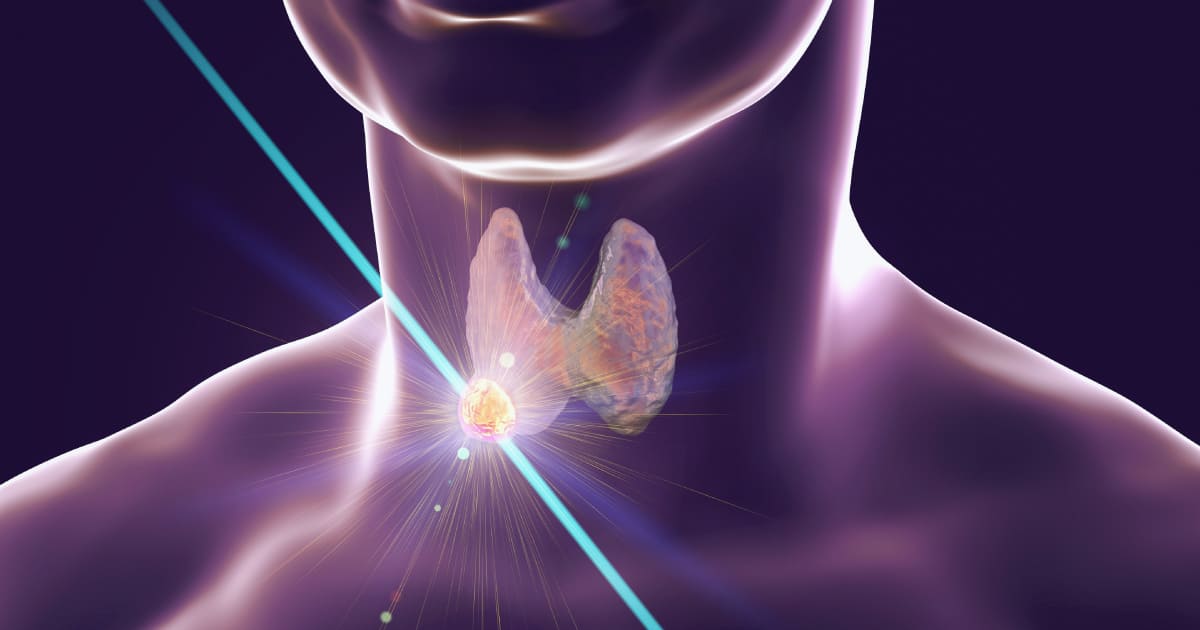
Thyroid nodule ablation (Thyroid Ablation) is a non-surgical procedure that uses a needle to deliver thermal energy waves to the area of the thyroid nodule. Ultrasound is used to locate the thyroid nodule. When the needle releases energy through its tip into the thyroid nodule, the heated nodule gradually shrinks and becomes smaller. The treatment takes little time, requires no hospital stay for recovery, and has a low rate of side effects. The choice of treatment depends primarily on the specialist physician and the severity of the condition.
How many types of non-surgical thyroid nodule ablation (Thyroid Ablation) are there?
Non-surgical thyroid nodule ablation (Thyroid Ablation) is suitable for benign thyroid nodules and can be performed in several ways, such as:
- Radiofrequency ablation (Radiofrequency Ablation – RFA) is the most popular. It is suitable for benign thyroid nodules that are not very large. A special needle is inserted into the thyroid nodule and RF heat waves (radiofrequency energy) are delivered through the needle tip to destroy the thyroid nodule. This method depends greatly on the physician’s expertise.
- Microwave ablation (Microwave Ablation – MWA) uses a needle to deliver microwave waves into the thyroid nodule, causing the mass to gradually shrink. This method is suitable for people of all ages and reduces side effects that may occur from surgery.
- Laser ablation (Laser Ablation – LA) uses a needle to deliver laser energy through an optical fiber to transmit heat energy into the thyroid nodule, causing the mass to atrophy and shrink. This method helps reduce impact on surrounding tissues.
Diagnostic evaluation before non-surgical thyroid nodule ablation (Thyroid Ablation)
- Thyroid tissue examination in the laboratory
- Thyroid hormone level test (Thyroid Stimulating Hormone, TSH)
- Complete blood count (Complete Blood Count, CBC)
- Blood clotting measurement (Activated Clotting Time)
Who is suitable for non-surgical thyroid nodule ablation (Thyroid Ablation)?
- Those assessed by a specialist physician as having a benign thyroid nodule
- Those with a large nodule that affects daily life, such as throat tightness, difficulty swallowing, hoarseness, or a visibly enlarged neck with a clearly noticeable lump
- Those who do not want surgery and whose physician considers non-surgical thyroid nodule treatment appropriate
- Those who do not want a scar or to take thyroid hormone medication for life
- Those with high-risk underlying conditions who are not ready for general anesthesia or major surgery
Steps of non-surgical thyroid nodule ablation (Thyroid Ablation)
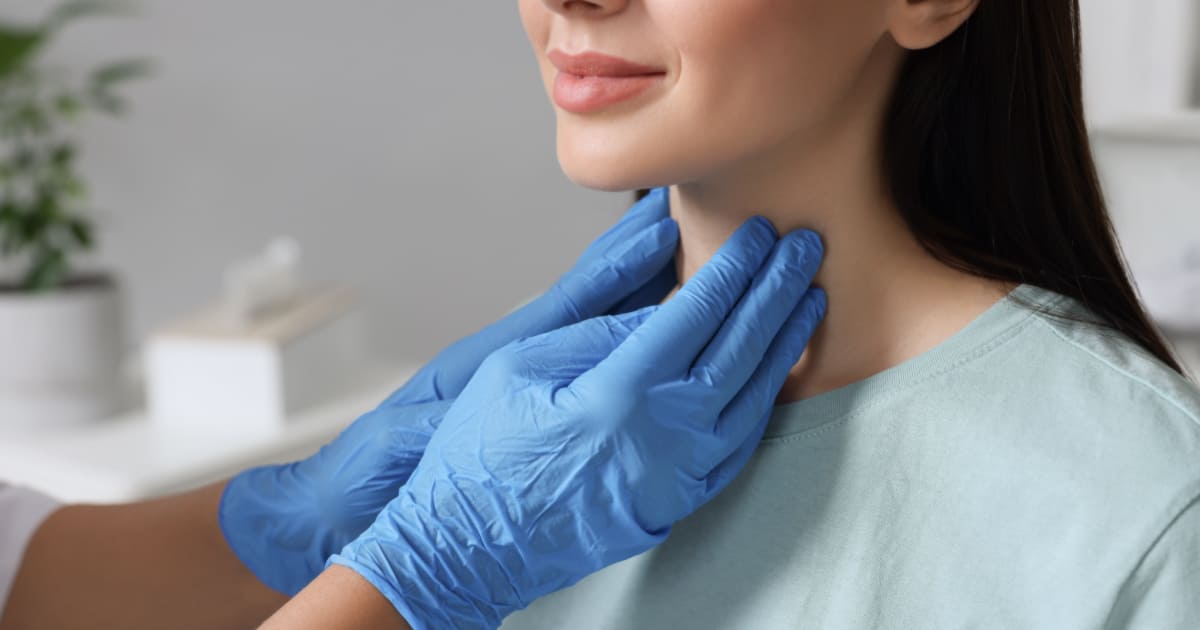
- Specialist physician evaluation Medical history taking, physical examination, and review of all test results
- Thyroid ultrasound (Thyroid Ultrasound) Assessment of the location, size, and characteristics of the nodule
- Thyroid nodule cell testing if indicated To confirm that the thyroid tumor is not cancerous, using fine needle aspiration (Fine Needle Aspiration: FNA) to confirm that the thyroid tumor is not cancerous
- Non-surgical thyroid nodule ablation (Thyroid Ablation)
- Blood tests to assess risk, such as complete blood count (CBC) and thyroid function tests (TFT)
- No food or water for at least 4 hours before thyroid nodule ablation
- The doctor injects local anesthetic at the thyroid area to be ablated
- The doctor inserts the needle into the thyroid nodule under ultrasound guidance, allowing continuous visualization of the location
- After completion, the doctor will observe symptoms for 1 hour; if there are no complications, you can go home
- Care after non-surgical thyroid nodule ablation (Thyroid Ablation)
- Attend follow-up appointments to monitor symptoms and assess changes in the thyroid nodule
- If there is fever, pain, swelling, redness at the wound site, or hoarseness, seek medical attention immediately
Advantages of thyroid nodule ablation (Thyroid Ablation)
- Takes little treatment time
- No surgical incision
- No general anesthesia
- Reduced complications
- No hospital stay required
- Fast recovery
- Does not cause abnormal thyroid hormone levels
Limitations of thyroid nodule ablation (Thyroid Ablation)
- Cannot be used for all types of thyroid nodules, such as malignant or cancerous nodules, nodules that are too large, or nodules with spread
- Pregnant women, those who cannot lie flat
- Patients with blood disorders
- Those with a pacemaker
- Cannot replace surgery in all cases
How is thyroid nodule ablation (Thyroid Ablation) different from thyroid surgery?
|
Thyroid nodule ablation (Thyroid Ablation) |
Thyroid surgery |
|
Uses a needle to deliver heat waves to the thyroid nodule area |
Surgery on the neck to remove part or all of the thyroid gland |
|
Reduces the size of the thyroid nodule |
Removes the nodule or part of the thyroid gland |
|
No large surgical incision is required |
Surgical incision is made |
|
Only a small needle mark; no surgical wound |
Surgical scar on the neck |
|
No general anesthesia |
General anesthesia |
|
No hospital recovery stay; can go home immediately |
Hospital recovery stay |
Treatment for thyroid nodules—both thyroid nodule ablation (Thyroid Ablation) and thyroid surgery—has different advantages and limitations, depending on diagnostic evaluation to determine the treatment approach by a specialist physician.
A hospital with expertise in thyroid nodule ablation (Thyroid Ablation)
THYROID COMPLETE CARE, Diabetes, Thyroid and Endocrine Center, Bangkok Hospital provides comprehensive thyroid care with a multidisciplinary team (Multidisciplinary Thyroid Team) comprising endocrinologists, surgeons, radiologists, nuclear medicine physicians, and pathologists. Together, they analyze test results and create personalized care plans backed by extensive experience, along with modern technology and a multidisciplinary team ready to plan care and provide close consultation—from diagnosis and treatment with thyroid nodule ablation (Thyroid Ablation) to long-term follow-up—helping patients regain a good quality of life and return to living confidently once again.
Physicians specializing in thyroid disease care and treatment
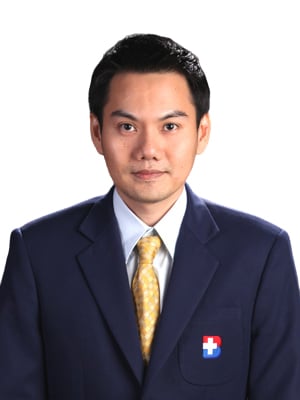
Dr. Natthanon Maneesathien Endocrinologist and Metabolism Specialist, Bangkok Hospital
You can click here to make an appointment yourself.