


There are lots to know and understand correctly about the liver so you can take good care of it. And if there is a problem, you can treat it in time and return to your normal routine.
1) Which Types of Liver Disease Are Life Threatening?
Top ranks among life-threatening liver diseases are late-stage cirrhosis, acute liver failure and liver cancer.
These diseases are caused by alcohol consumption and hepatitis which will gradually develop into cirrhosis and lessen the functions of liver cells.
Acute liver failure is caused by consuming herbs that are severely toxic to the liver, as well as having hepatitis A & B virus infections during adulthood and having liver cancer from various causes. These all increase the risk of death if not treated promptly.
2) Jaundice: A Sign of Liver Problem
There are 2 types of jaundice that indicate liver problems:
- Cholestasis is a condition where bile flow is reduced or blocked, such as in patients with late-stage cirrhosis, because the liver does not function properly. This leads to jaundice in the body and the eyes, abdominal edema, or severe sepsis. Patients who have been receiving long-term parenteral nutrition may also have decreased liver function.
- Obstructive jaundice is caused by obstruction of the gallbladder which requires surgery, such as gallstones in the bile duct, bile duct cancer, pancreatic cancer as well as congenial bile duct aneurysm. Therefore, there are many causes of jaundice which require additional tests to determine the proper choice of treatment between surgery and medication. Read more at https://www.bangkokhospital.com/th/bangkok/content/obstructive-jaundice
3) The difference between gallstones and gallbladder polyps
The difference between gallstones and gallbladder polyps is that gallstones are small stones, usually made of cholesterol, that form in the gallbladder. If there is any symptom, you need to treat them right away to prevent complications. Most of gallbladder polyps are benign tumors which do not require treatment. Doctor will start the treatment if the size exceeds 1 centimeter as there is a risk of cancer or hidden cancer cells. The best way to treat both gallstones and gallbladder polyps is surgery. Patients do not have to worry about not having a gallbladder. After the surgery, they can spend a normal life as the gallbladder only stores bile while the liver produces it.
4) How serious is fatty liver?
Fatty liver is a condition that indicates the body has too much fat. It can be cured by lifestyle modification, such as diet control, cardiac exercise that is not too strenuous such that you can still talk in complete sentences for 30-45 minutes, 2 -3 times per week, and have annual liver checkup. Fatty liver is important and should not be neglected. If you have too much fat build-up, it can lead to liver cancer. Read more at https://www.bangkokhospital.com/th/bangkok/content/fatty-liver
5) How dangerous are liver cysts?
Mostly liver cysts are benign and do not need treatment. However, you need to see a specialist for proper diagnosis using CT scan or MRI in order to have a clear image. If the cyst is small, you should follow up every 4 – 6 months for at least 2 years. If the size does not increase, you only need annual checkup thereafter.
6) Can hemangioma develop into liver cancer?
Most hemangioma or red birth mark is benign with small chance of developing into liver cancer or breaking down. So, it does not require any treatment. But if it consistently presses on a nearby organ, it will require immediate treatment. Therefore, it is advised that you have annual liver health-check with a specialist.
7) Patients who can undergo liver surgery
Patients with a single lesion and their liver still has good enough function to keep the body healthy. If the liver does not have enough function or the tumor covers a large part of the liver, survival rate may be low after surgery.
Patients with few lesions (less than 3 lesions) that will have enough liver with sufficient function after surgery.
Patients with localized cancer, because if the cancer has spread, surgery cannot prolong their life.
8) Can liver cancer be completely cured?
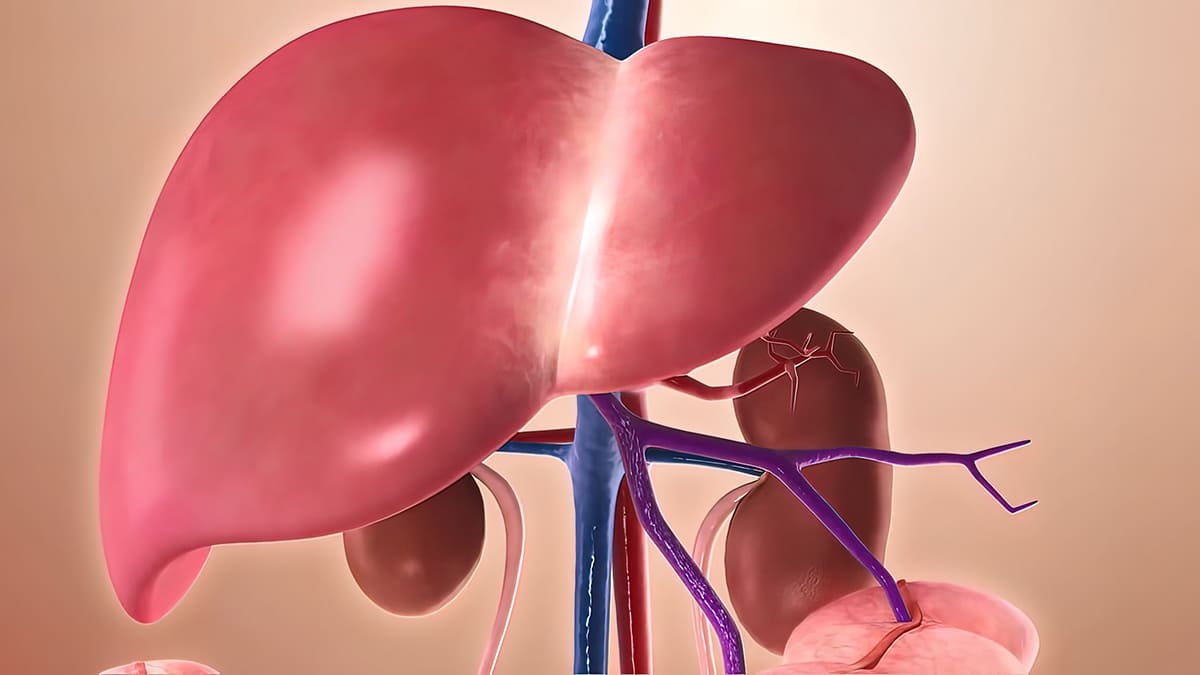
Only 1 in 3 liver cancer patients is diagnosed when the tumor is still operable. Even after surgical removal, the liver cancer can still recur. More liver cancer is found in male than female patients. Liver resection is the only treatment that can lead to a cure and increased longevity.
9) Limitation of Liver Transplant
A successful liver surgery or resection can prolong the lifespan of liver cancer patients for another 10 years or more, but its limitation is that the patient must wait for a donor who has a good match which can take a long time. Moreover, the patients who are eligible for such procedure must have a lesion that is less than 5 centimeters. If there are more than 3 lesions, each should not exceed 3 centimeters and no metastasis. The procedure is complicated with high risk. After the surgery, patients must take immunosuppressant medication for the rest of their lives.
10) Why is survival rate of liver cancer low?
Patients with liver cancer tend to be asymptomatic and only begin to show symptoms when the cancer has spread. That is why surgery is not possible and survival is usually 3 – 6 months. If the patient has both cancer and cirrhosis, survival will decrease to 1 – 3 months. Therefore, it is important that people who are at risk of liver cancer get screening test. If found early, there is a chance of a cure.
11) Can the liver regenerate?
There is a misconception that the liver can regenerate fully. In reality, although the liver is the only organ that cells can regenerate, it will not be the same. It will only be enough for normal everyday living.
12) What is the effect of andrographolide on the liver?
All medicines, be it traditional Thai medicine or modern medicine, can be harmful to the liver. Therefore, any use of medication should be under a doctor’s guidance to ensure appropriate use. For andrographolide or Fah Talai Jone, consumption of fresh leaves without proper dosing can cause acute liver inflammation. A doctor’s consultation is recommended.
13) Does drinking wine affect the liver?
Most people misunderstand that wine has very little or no effect on the liver compared to beer or hard liquor. In reality, all alcoholic beverages can cause high liver toxicity depending on each person’s health condition. For example, if a person drinks a can of beer everyday for 10 years, they have a possibility of developing cirrhosis.
14) Who should get a health checkup?
Annual checkup is recommended for men over the age of 40, women over the age of 50, people who have cirrhosis and people who have hepatitis B or C. Furthermore, people who have family history of liver cancer or are at risk of liver cancer should also get screening test. The objective of liver health check is to check liver function by looking for liver inflammation and fibrosis that can lead to cirrhosis.
15) Why ERAS program for quick recovery?
ERAS or enhanced recovery after surgery program is beneficial for patients who require surgery. It will help patients with treatment planning before surgery, during surgery, and after surgery by medical specialists, nurses, and multidisciplinary team of specialists to reduce the risk of complications during surgery so that the surgery will be a success. Patients can recover quicker and return to their normal lives with high quality. For more information, please click https://www.bangkokhospital.com/th/bangkok/page/be-stong-for-surgery