



Returning to exercise after an inguinal hernia repair with mesh requires a strict, careful timeline. Pushing your body too hard or lifting heavy weights too early can strain the surgical site, displace the mesh, or cause the hernia to return. To protect your recovery, you must know how to safely progress from basic movement back to your regular fitness routine.
What Happens to Your Body After Hernia Surgery?
During hernia surgery, the displaced tissue is gently pushed back into its correct position, and a specialized surgical mesh is placed over the weakened muscle layer to provide structural support. In the following days, your body begins a natural healing process around this mesh, incorporating it into the local tissue to create a stronger abdominal wall. It is completely normal to experience mild swelling, localized bruising, and some discomfort around the groin or the incision sites during the initial phase of recovery. Your internal tissues need time to adapt and strengthen, which means managing pressure within your abdomen is critical during these early weeks.
When Can You Exercise After Hernia Surgery?
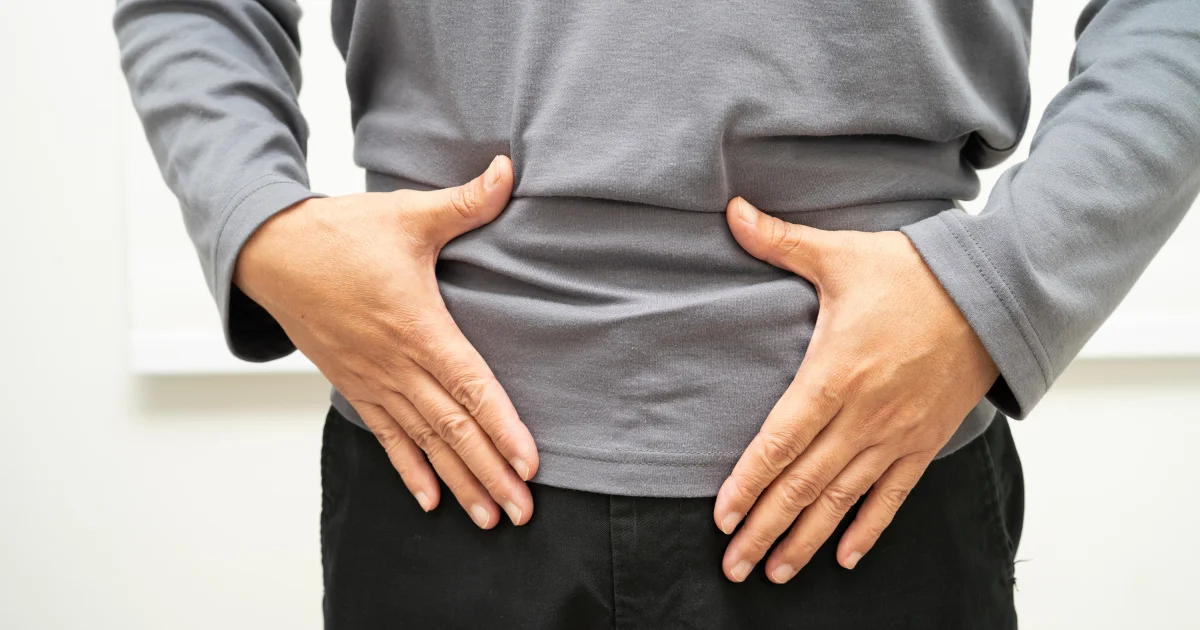
You can generally resume very gentle physical movements, such as short walks inside your home, within the first 24 hours after your procedure. Walking is highly recommended because it encourages healthy blood circulation, assists with normal digestion, and lowers the risk of blood clots.
However, you must avoid structured workouts, fitness classes, and strenuous activities until your surgical team grants explicit clearance. The overall inguinal hernia surgery recovery time exercise depends greatly on the specific surgical approach used, your baseline physical fitness, and how well your tissues are knitting back together.
Inguinal Hernia Surgery Recovery Timeline
Every individual heals at a unique pace, but following a structured timeline helps ensure that you do not overload your abdominal muscles before they are ready. Gradually increasing your activity level protects the surgical mesh and allows the groin area to build up its normal resilience.
Phase 1: First Week
The primary focus during the first seven days is rest and minimal movement. Walking around your living space as necessary is encouraged to keep your body moving, but you should avoid driving, household chores like making the bed, and any activities that require bending or lifting. Do not lift anything heavier than 5 to 10 pounds during this period to keep abdominal pressure low.
Phase 2: Week 2-4
As you move into the second through fourth weeks, you can slowly begin to enjoy short, gentle outdoor walks on flat surfaces. If you are free from discomfort and no longer require prescription pain medication, light office work and driving may be reintroduced. Around week three, low-resistance stationary cycling or very basic stretches can be added to your routine, provided you avoid deep twisting or sudden movements.
Phase 3: Week 4-8
By the one-month mark, low-impact exercises can gradually become part of your daily routine. Activities such as swimming, outdoor cycling, and using an elliptical machine at low resistance are typically safe, provided your incisions are completely closed and healed. You may also start carrying light everyday objects like grocery bags, but you must continue to avoid traditional abdominal exercises like crunches, sit-ups, or heavy gym machines.
Phase 4: Week 8+
After two months of healing, you can usually start reintroducing gentle core-strengthening exercises under medical guidance. Movements that focus on controlled abdominal stability, such as pelvic tilts, diaphragmatic breathing, and bird-dogs, help rebuild support safely. Traditional weight training and lifting can be slowly reintroduced, though it is highly recommended to use guided gym machines rather than free weights to maintain optimal control over your posture.
Sport-Specific Return
Returning to high-impact activities or competitive sports requires a long-term approach. Jogging can often be initiated between weeks three and four if there is no pulling sensation in the groin, running, sprinting, and jumping may resume after approximately 6–12 weeks, depending on individual recovery and surgeon approval. Contact sports such as football or martial arts place intense, unpredictable pressure on the abdominal wall and typically require a full 8 to 12 weeks of healing, along with explicit clearance from your specialist, before participation.
Warning Signs: When to Stop Exercising
Listen to your body at every stage of your physical rehabilitation. If you experience any of the following signs while moving or resting, stop the activity immediately and contact your healthcare provider:
- Sharp, sudden, or increasing pain at the surgical site
- A visible bulge or new swelling in the groin or abdomen
- Nausea, dizziness, or vomiting
- Redness, unusual warmth, or fluid drainage from your incisions
- Fatigue that feels unusually severe compared to your normal fitness level
Why Your Surgery Type Determines Your Recovery Speed
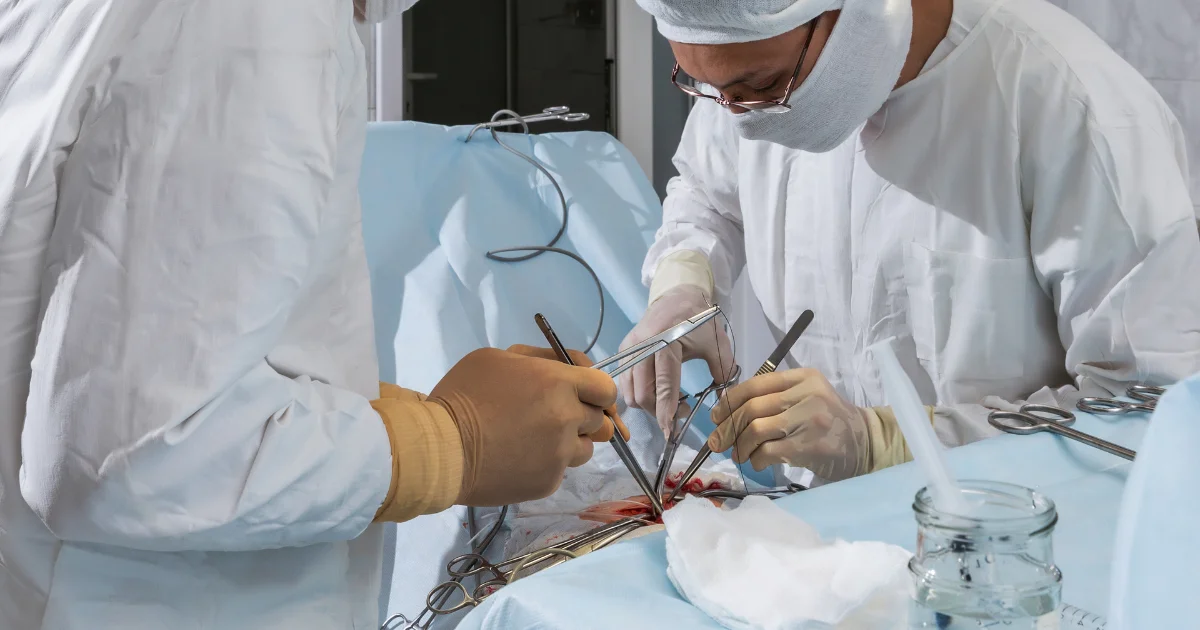
The specific surgical technique used to repair your hernia plays a significant role in how comfortable you feel during the early stages of rehabilitation.
- Traditional open surgery requires a larger single incision, which typically means a longer period of local tissue tenderness and a more gradual return to normal daily activities.
- Minimally invasive techniques utilize smaller incisions, resulting in less disruption to the surrounding healthy muscles.
Regardless of the technique chosen for your repair, the deeper muscular tissues still require the same dedication to steady, gradual healing before you can safely perform heavy lifting or high-impact training.
Why Robotic Hernia Repair Leads to Better Exercise Recovery
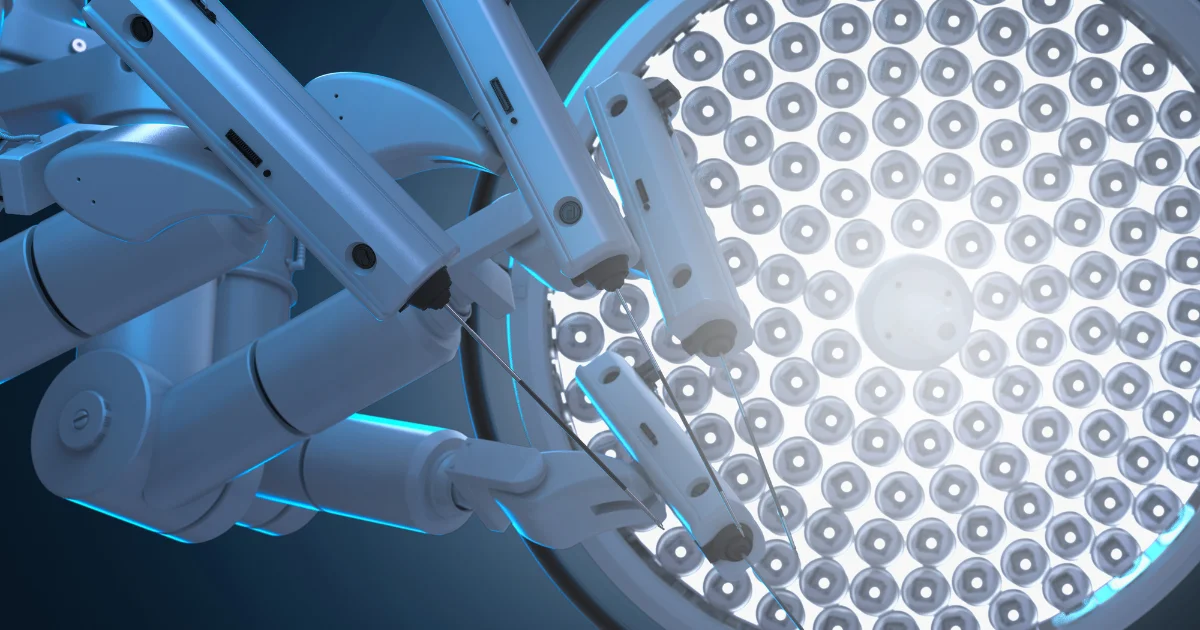
Choosing robotic hernia surgery can provide distinct advantages when it comes to rebuilding your physical routine. The robotic system provides the surgeon with highly detailed visual clarity and structural precision, allowing the repair to be performed with minimal disturbance to the neighboring nerves and soft tissues.
Since this approach reduces the structural trauma to the abdominal wall, patients often experience noticeably less pain during the early weeks of recovery. Having a more comfortable recovery period makes early walking and low-impact movement much more tolerable, helping you maintain mobility and transition smoothly back into standard exercise when your body is ready.
Hospital Specializing in Hernia Care
Bangkok Hospital features a dedicated Robotic Surgery Center located on the 1st floor of Building D. The center provides specialized care for patients requiring surgical intervention for abdominal wall defects, utilizing advanced medical setups to manage complex cases. By integrating high-definition 3D visualization and precise instrument control, the center supports individuals throughout their entire treatment journey, helping them safely transition from the operating room back to their preferred physical activities.
Summary
Resuming your workout routine after a hernia repair is an important component of long-term health, but it must be treated as a gradual progression rather than a race. Giving your body the necessary time to integrate the surgical mesh into the abdominal wall reduces the risk of future hernias and ensures a reliable recovery. By starting with simple walks, tracking your physical symptoms, and working directly with your general surgeon, you can safely return to the activities you love with confidence and strength.
Frequently Asked Questions
1. How long after inguinal hernia surgery can I exercise?
You can begin light, gentle walking within the first 24 hours after your procedure. Low-impact activities like swimming or stationary cycling can typically be reintroduced around week four, while heavy lifting, running, and abdominal core exercises usually require at least 6 to 8 weeks of healing and medical clearance.
2. Is recovery faster with robotic hernia surgery?
Robotic-assisted techniques utilize small incisions that cause less disruption to the surrounding tissues. While the deep muscular structures still require a standard timeframe to gain full strength, the robotic approach results in less pain during recovery, making early movement and rehabilitation much more comfortable to tolerate.
3. Does mesh affect recovery time compared to non-mesh repair?
Surgical mesh provides immediate structural reinforcement to the weakened muscle layer. While the presence of mesh does not significantly alter the initial timeline for surface healing, it provides the internal support necessary to help prevent the hernia from recurring when you eventually return to standard lifting and sports.
4. What should I do if I accidentally lift something heavy too soon?
If you accidentally lift a heavy object, stop immediately and monitor the area. Watch closely for warning signs such as sudden or sharp pain, new swelling, or a visible bulge at the incision site. If you experience severe discomfort or suspect you have strained the repair, contact your surgical team right away for an evaluation.
5. Can I perform core exercises like planks or sit-ups during recovery?
Traditional core exercises such as sit-ups, crunches, and standard planks that intensely increase intra-abdominal pressure must be strictly avoided for at least 6 to 8 weeks post-surgery. When you are medically cleared to rebuild core strength, you should begin with gentle, controlled stability movements like pelvic tilts and diaphragmatic breathing rather than deep flexing exercises.